
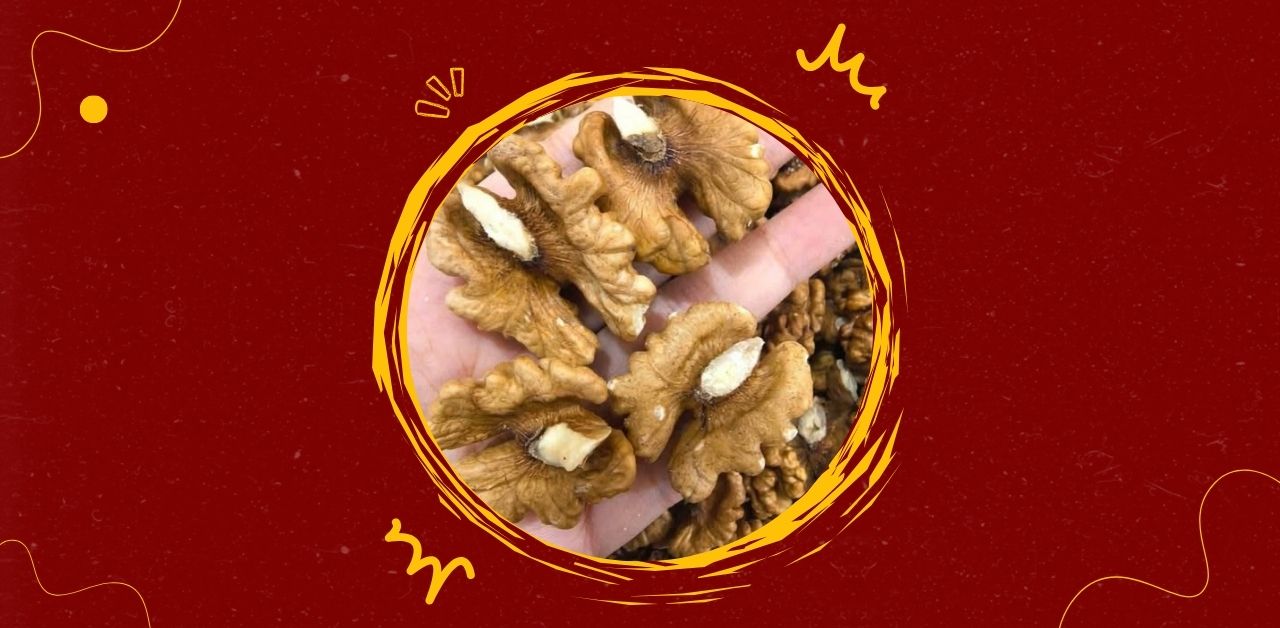
Walnuts, with their distinctive wrinkled shells and creamy interiors, have long been celebrated as both a culinary delight and a nutritional powerhouse. Their unique appearance—often compared to the human brain—has made them symbolic of wisdom and vitality across cultures. Beyond symbolism, walnuts offer a remarkable blend of flavor, texture, and health benefits that make them indispensable in kitchens worldwide.
Nutritional Value
Walnuts are rich in essential nutrients that support overall wellness:
- Omega-3 fatty acids: Plant-based alpha-linolenic acid (ALA) supports heart health.
- Protein: A valuable source of plant protein for vegetarians and vegans.
- Fiber: Promotes digestive health and satiety.
- Antioxidants: Polyphenols help combat oxidative stress.
- Micronutrients: Magnesium, phosphorus, copper, and manganese contribute to bone strength and energy metabolism.
A handful of walnuts daily can provide sustained energy and support cardiovascular and cognitive health.
Culinary Uses
Walnuts are versatile and can be incorporated into both sweet and savory dishes:
- Baking: Classic additions to brownies, banana bread, and cookies.
- Salads: Toasted walnuts add crunch and depth to leafy greens.
- Sauces & spreads: Ground walnuts form the base of Middle Eastern muhammara or Georgian walnut sauce.
- Breakfasts: Sprinkled over oatmeal, yogurt, or smoothie bowls.
- Snacking: Enjoyed raw, roasted, or lightly salted.
Their earthy, slightly bitter flavor balances sweetness and enhances richness in recipes.
Cultural Significance
Across the globe, walnuts carry cultural and symbolic weight:
- Ancient Greece & Rome: Associated with fertility and abundance.
- China: Walnuts are exchanged as gifts, symbolizing intelligence and longevity.
- Middle East: Integral to festive dishes, often paired with dates and honey.
- Southern United States: Featured in nostalgic desserts like walnut pie and fudge, connecting generations through tradition.
Health Benefits
Scientific studies highlight walnuts’ role in promoting long-term health:
- Heart health: Regular consumption lowers LDL cholesterol.
- Brain function: Omega-3s and antioxidants support memory and cognitive performance.
- Anti-inflammatory properties: Beneficial for chronic conditions like arthritis.
- Weight management: Despite being calorie-dense, walnuts help regulate appetite.
Storage and Handling
To preserve freshness:
- Store walnuts in airtight containers.
- Keep them in the refrigerator or freezer to prevent rancidity.
- Use within six months for optimal flavor.
Conclusion
Walnuts are more than just a snack—they are a bridge between tradition, nutrition, and culinary creativity. Whether enjoyed raw, baked into desserts, or incorporated into savory dishes, walnuts enrich both body and soul. Their enduring presence in kitchens and cultures worldwide underscores their timeless appeal as nature’s brain-shaped superfood.