
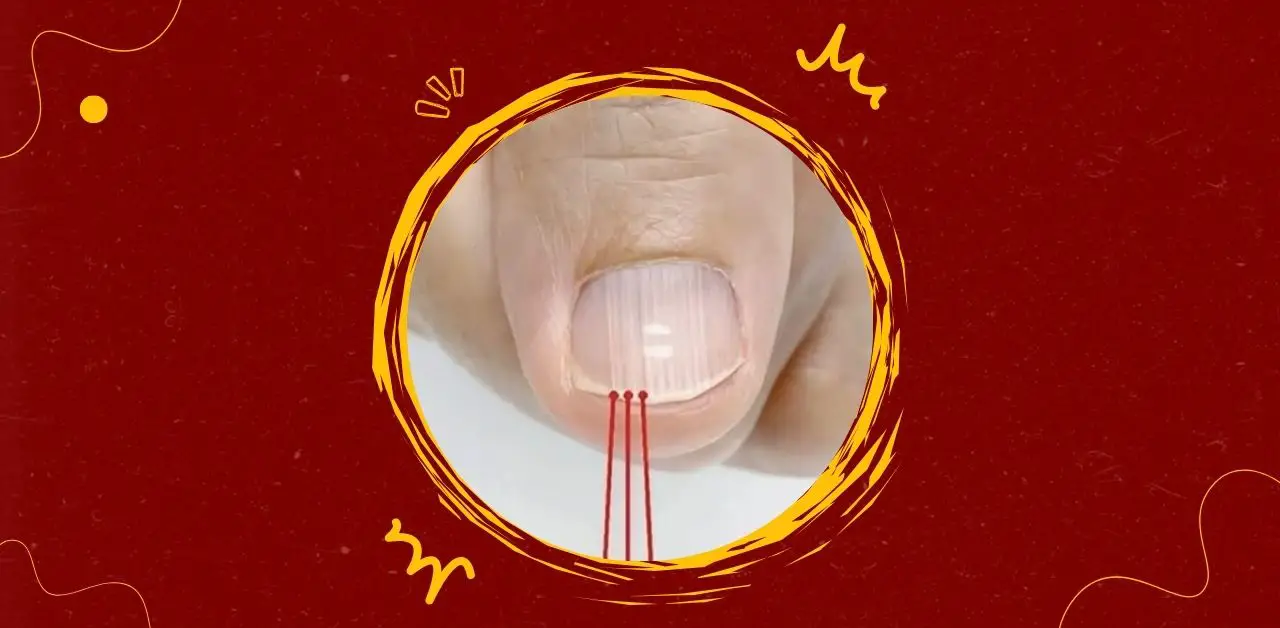
Our nails often reflect more than just grooming habits—they can provide subtle clues about overall health. One common feature people notice is the appearance of vertical ridges running from the base of the nail to the tip. These ridges can vary in depth and prominence, and while they are usually harmless, they sometimes spark curiosity or concern. Understanding what they signify helps demystify this everyday occurrence.
What Are Vertical Ridges?
Vertical ridges are raised lines that run lengthwise along the nail. They can be faint and barely noticeable, or more pronounced and textured. Unlike horizontal ridges, which may indicate specific health issues or trauma, vertical ridges are often associated with natural changes in the body.
Common Causes
- Natural Aging: As we age, nail cell turnover slows down, leading to changes in texture. Vertical ridges are a normal part of this process, much like wrinkles on the skin.
- Genetics: Some people are simply predisposed to ridged nails. If family members have similar nail patterns, it may be hereditary.
- Dryness or Dehydration: Nails that lack moisture can develop ridges. Regular hydration and moisturizing can help reduce their appearance.
- Nutritional Factors: Deficiencies in certain vitamins or minerals, such as iron or biotin, may contribute to changes in nail texture.
- Underlying Conditions: While less common, ridges can sometimes be linked to health issues like anemia or inflammatory conditions. In such cases, they are usually accompanied by other symptoms.
When to Pay Attention
Vertical ridges alone are rarely a cause for concern. However, if they appear suddenly, deepen significantly, or are accompanied by changes in nail color, brittleness, or pain, it may be worth consulting a healthcare professional. These signs could indicate an underlying issue that requires attention.
Caring for Ridged Nails
- Moisturize Regularly: Applying hand cream or cuticle oil helps keep nails hydrated and smooth.
- Balanced Diet: Eating nutrient-rich foods supports nail health. Incorporating leafy greens, lean proteins, and whole grains can make a difference.
- Gentle Grooming: Avoid aggressive filing or buffing, which can weaken nails.
- Protective Habits: Wearing gloves during chores prevents exposure to harsh chemicals that dry out nails.
The Bigger Picture
Vertical ridges are often just a natural part of life. They don’t diminish nail strength or function, and in most cases, they’re simply cosmetic. Recognizing them as a normal variation helps reduce unnecessary worry. At the same time, being mindful of nail changes encourages awareness of overall health.
Conclusion
Vertical ridges on fingernails are a common feature, especially as we age. They are usually harmless, reflecting natural changes in nail growth and texture. While they can sometimes signal nutritional needs or health conditions, they are most often a normal part of life. Caring for nails through hydration, nutrition, and gentle grooming ensures they remain healthy and strong. Ultimately, these ridges remind us that our bodies carry subtle signs of our journey through time, and paying attention to them is part of holistic self-care.