
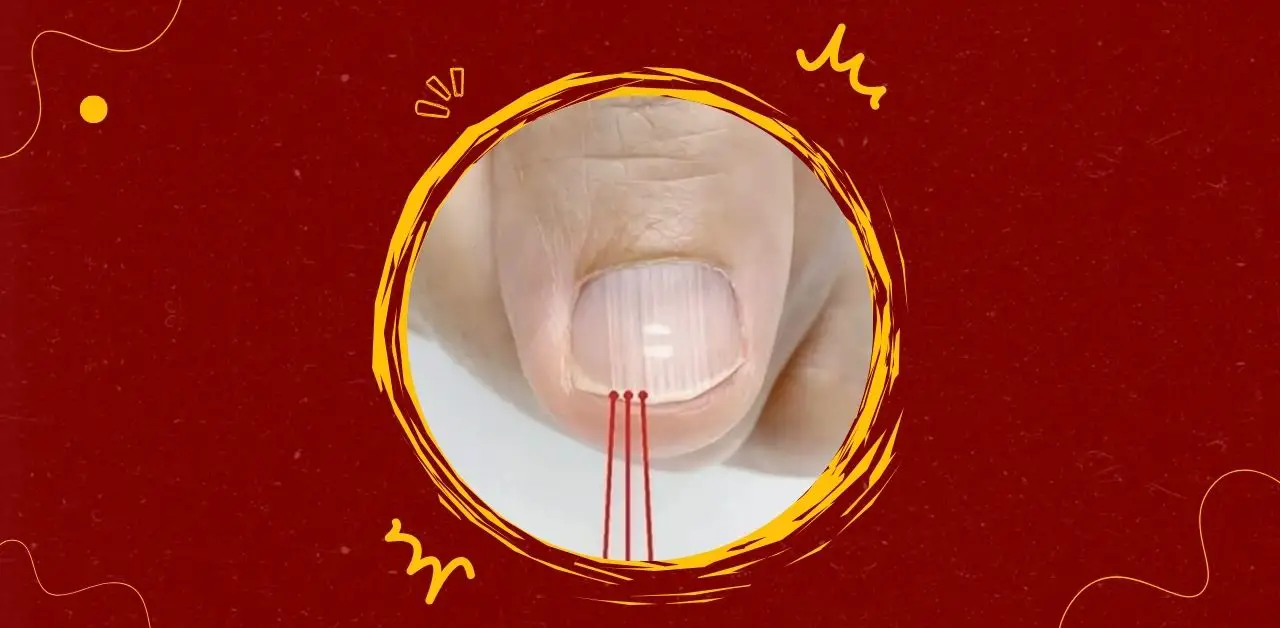
Fingernails are more than just a cosmetic feature—they can serve as subtle indicators of overall health. One common nail change people notice is the appearance of vertical ridges, running from the cuticle to the tip of the nail. While often harmless, these ridges can sometimes signal underlying conditions or lifestyle factors worth paying attention to.
What Are Vertical Ridges?
Vertical ridges are raised lines or grooves that run lengthwise along the nail. They can be faint and barely noticeable, or more pronounced and textured. Unlike horizontal ridges (which may indicate more serious health concerns), vertical ridges are usually benign.
Common Causes
Several factors contribute to the development of vertical ridges:
- Natural Aging
- As we age, cell turnover in the nail matrix slows down, leading to uneven keratin formation.
- This is the most common and harmless cause.
- Nutritional Deficiencies
- Lack of essential nutrients such as iron, zinc, or vitamin B12 can affect nail health.
- Dehydration or insufficient intake of omega-3 fatty acids may also play a role.
- Genetics
- Some people naturally have ridged nails due to hereditary factors.
- Underlying Health Conditions
- Conditions like eczema, psoriasis, or rheumatoid arthritis can sometimes manifest in nail changes.
- Rarely, vertical ridges may be linked to circulatory issues or thyroid imbalances.
When to Seek Medical Advice
Vertical ridges alone are usually not a cause for concern. However, consult a healthcare professional if:
- Ridges are accompanied by discoloration (yellow, brown, or black streaks).
- Nails become brittle, split, or painful.
- Horizontal ridges (Beau’s lines) appear, which may indicate systemic illness.
- Sudden changes occur without clear explanation.
Nail Care and Prevention
While ridges cannot always be eliminated, proper nail care can minimize their appearance and support overall nail health:
- Moisturize Regularly
- Use hand creams or cuticle oils to prevent dryness.
- Balanced Diet
- Ensure adequate intake of iron, zinc, biotin, and protein.
- Gentle Grooming
- Avoid aggressive buffing, which can thin nails.
- Protective Habits
- Wear gloves when cleaning or using harsh chemicals.
- Hydration
- Drink sufficient water to maintain nail and skin elasticity.
Cosmetic Solutions
For those bothered by the appearance of ridges:
- Buffing blocks can smooth the nail surface (used sparingly).
- Ridge-filling base coats create a smoother canvas for nail polish.
- Natural finishes like clear polish or nourishing oils enhance nail shine without damage.
Conclusion
Vertical ridges on fingernails are a common, often age-related change. In most cases, they are harmless and manageable with good nail care and nutrition. However, paying attention to sudden or unusual changes ensures that any underlying health issues are addressed promptly. Think of your nails as small windows into your body’s well-being—worth noticing, but rarely alarming.