
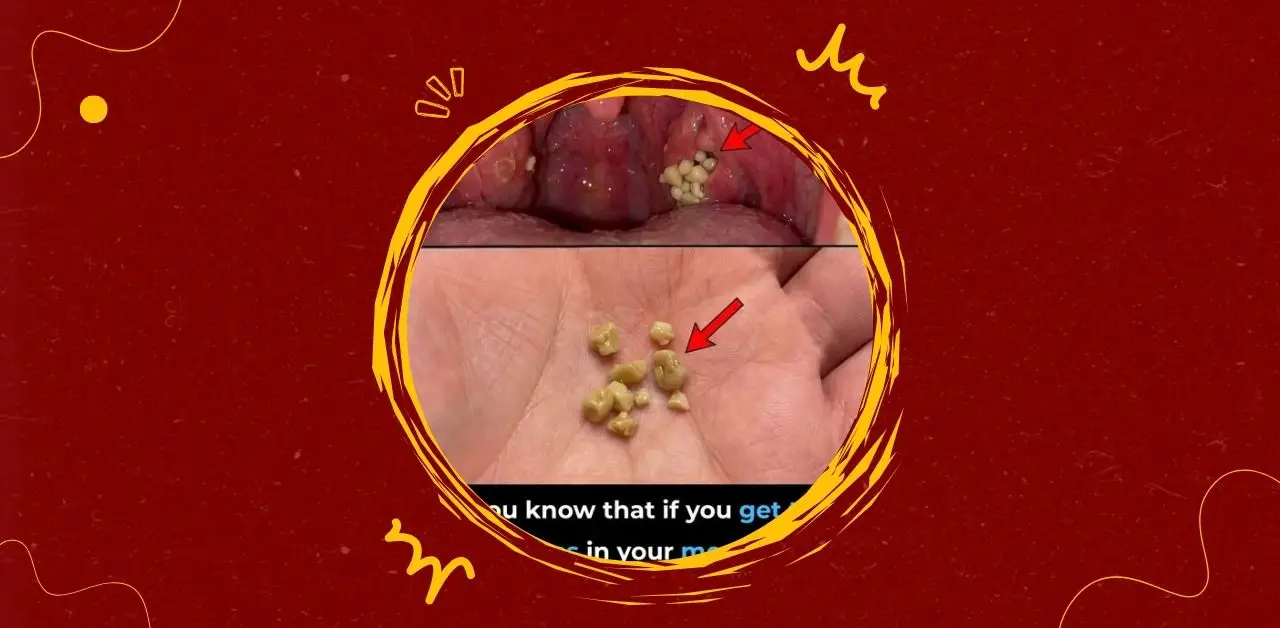
White bumps that appear on or near the tonsils are a fairly common occurrence. While they may look unusual, they are often linked to everyday conditions that can be managed with proper care. Knowing what they are and why they form helps reduce worry and encourages healthy habits.
What They Often Are
- Tonsil Stones (Tonsilloliths) Small, pale bumps that form when food particles, natural secretions, and bacteria collect in the tiny folds of the tonsils. They may feel firm and can sometimes be noticed when speaking or swallowing.
- Mild Infections Viral or bacterial infections can cause temporary white patches or bumps on the tonsils. These usually appear alongside a sore throat or mild discomfort.
- Oral Thrush A yeast imbalance in the mouth can lead to soft, white patches on the tongue, cheeks, or tonsils. This is more common after antibiotics or in people with reduced immunity.
- General Irritation Sometimes, bumps form simply due to irritation from food, dryness, or minor inflammation.
Everyday Symptoms
- A feeling of something small stuck in the throat
- Occasional bad breath
- Mild throat discomfort
- Visible pale or yellowish spots when looking in the mirror
Most of the time, these bumps are harmless and clear up naturally.
Gentle Home Care
- Stay Hydrated: Drinking plenty of water helps keep the mouth moist and reduces buildup.
- Good Oral Hygiene: Brushing teeth twice daily and rinsing with water or mild mouthwash can prevent particles from collecting.
- Saltwater Rinse: Gargling with warm saltwater may ease irritation and help loosen small stones.
- Balanced Diet: Eating fresh fruits and vegetables supports oral health and strengthens the body’s natural defenses.
When to Seek Guidance
If the bumps are persistent, cause discomfort, or are accompanied by fever or difficulty swallowing, it’s best to consult a healthcare professional. They can determine whether the bumps are simple tonsil stones or part of another condition that needs attention.
Key Takeaway
White bumps in the mouth are often related to tonsil stones, mild infections, or natural irritation. They are usually harmless and can be managed with hydration, good oral hygiene, and gentle rinses. Paying attention to changes and seeking professional advice when needed ensures peace of mind and continued oral health.