
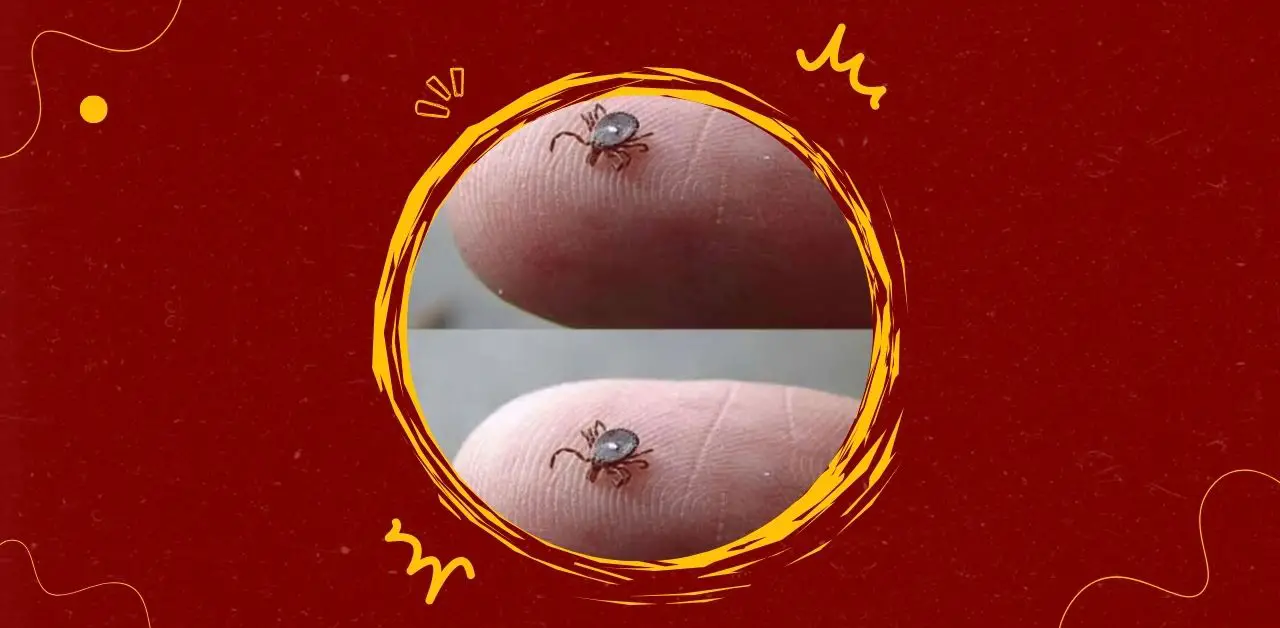
Ticks are tiny arachnids that feed on the blood of animals and humans. Despite their small size, they pose significant health risks because they can transmit diseases such as Lyme disease, Rocky Mountain spotted fever, and other tick-borne illnesses. Their ability to attach discreetly to the skin makes them a concern for anyone spending time outdoors, especially in grassy, wooded, or humid environments.
What Are Ticks?
Ticks belong to the arachnid family, related to spiders and mites. They have eight legs and a small, rounded body. Unlike insects, ticks do not jump or fly; instead, they crawl and latch onto hosts when given the opportunity. Once attached, they feed on blood, sometimes for several days.
Common Habitats
Ticks thrive in:
- Wooded areas with dense vegetation.
- Tall grasses and shrubs where they wait for hosts.
- Humid environments that support their survival.
- Animal fur—pets like dogs and cats often carry ticks indoors.
Health Risks
Ticks are vectors of several diseases. The most notable include:
- Lyme Disease: Caused by Borrelia burgdorferi bacteria, leading to fever, fatigue, and a characteristic bull’s-eye rash.
- Rocky Mountain Spotted Fever: A bacterial infection that can cause severe illness if untreated.
- Babesiosis and Ehrlichiosis: Other tick-borne infections affecting blood and immune systems.
Not all ticks carry disease, but the risk increases depending on the species and region.
Identifying a Tick Bite
Signs of a tick bite may include:
- A small red bump at the site of attachment.
- Itching or mild irritation.
- In some cases, a rash or flu-like symptoms if infection occurs.
Ticks often go unnoticed because their bites are painless.
Prevention Tips
- Wear long sleeves and pants when outdoors.
- Use insect repellent containing DEET or permethrin.
- Perform tick checks after spending time in grassy or wooded areas.
- Keep lawns trimmed and remove leaf litter to reduce tick habitats.
- Protect pets with veterinarian-approved tick prevention treatments.
Safe Removal of Ticks
If you find a tick attached to your skin:
- Use fine-tipped tweezers to grasp the tick close to the skin.
- Pull upward steadily without twisting to avoid breaking the tick.
- Clean the bite area with soap and water or antiseptic.
- Dispose of the tick by sealing it in a bag or flushing it.
- Monitor for symptoms such as rash, fever, or fatigue.
Conclusion
Ticks may be small, but their impact on health can be significant. Awareness, prevention, and prompt removal are key to reducing risks. By understanding their habitats and behaviors, you can better protect yourself, your family, and your pets. Outdoor activities remain enjoyable when paired with simple precautions against these tiny but potentially dangerous parasites.