
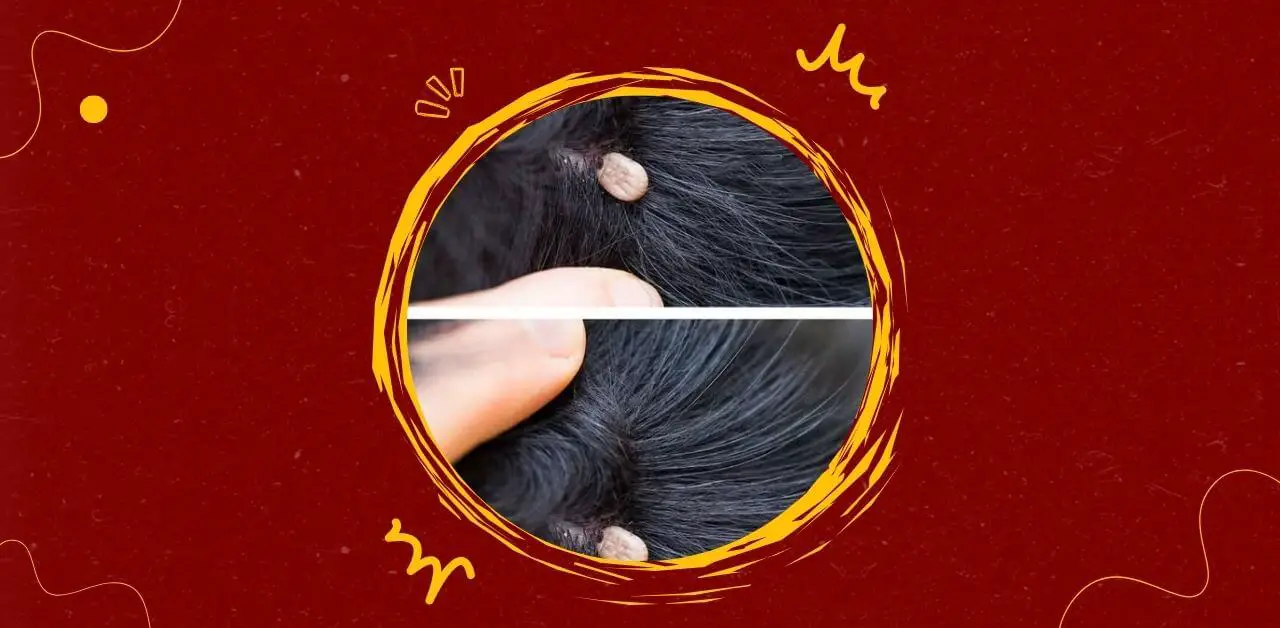
Ticks are small parasitic arachnids that feed on the blood of humans and animals. They are most commonly found in grassy, wooded, or humid environments and can attach themselves to the skin when a person or pet passes by. While a tick bite itself is often painless, ticks can transmit infections such as Lyme disease, Rocky Mountain spotted fever, and other tick-borne illnesses. Discovering a tick on a child can be alarming, but with proper knowledge and careful action, parents can manage the situation effectively.
What Ticks Look Like
Ticks vary in size depending on their species and whether they have fed.
- Unfed ticks are small, flat, and oval-shaped.
- Engorged ticks (after feeding) appear swollen and can resemble a small gray or brown bean attached to the skin. Ticks attach firmly by embedding their mouthparts into the skin, which is why removal must be done carefully.
How Ticks Attach and Feed
Ticks use specialized mouthparts to pierce the skin and feed on blood. They secrete saliva that contains anticoagulants and anesthetics, which prevent clotting and reduce pain, allowing them to feed unnoticed for hours or even days. This prolonged attachment increases the risk of disease transmission.
Safe Removal of a Tick
The most important step when you find a tick is removing it properly.
- Use fine-tipped tweezers. Position them as close to the skin as possible, grasping the tick firmly by its head or mouthparts.
- Pull upward with steady, even pressure. Do not twist or jerk, as this can cause parts of the tick to break off and remain in the skin.
- Clean the bite area. Wash with soap and water, then apply antiseptic.
- Dispose of the tick safely. Place it in alcohol, seal it in a bag, or flush it down the toilet. Some doctors may ask you to keep the tick in a container for identification.
What Not to Do
- Do not use petroleum jelly, nail polish, or heat to try to make the tick detach. These methods are ineffective and may increase the risk of infection.
- Do not crush the tick with your fingers. This can release infectious material.
Aftercare and Monitoring
Once the tick is removed, observe the bite site and your child’s overall health.
- Local reaction: Mild redness or swelling is common and usually resolves within a few days.
- Signs of infection: Watch for rash, fever, fatigue, or flu-like symptoms.
- Medical attention: If any unusual symptoms develop, or if you are unsure whether the tick was fully removed, consult a healthcare professional immediately.
Preventing Tick Bites
Prevention is key to reducing tick-related risks.
- Protective clothing: Wear long sleeves and pants when outdoors in grassy or wooded areas.
- Repellents: Use insect repellents containing DEET or picaridin on exposed skin.
- Regular checks: Inspect children and pets after outdoor activities, especially around the scalp, behind ears, and under arms.
- Yard care: Keep grass trimmed and remove leaf litter to reduce tick habitats.
Why Medical Consultation Matters
Ticks can transmit serious illnesses, but not every tick carries disease. The risk depends on the species, how long it was attached, and the region where the bite occurred. A doctor can:
- Confirm whether the tick was removed completely.
- Assess the likelihood of disease transmission.
- Prescribe preventive antibiotics if necessary.
- Provide guidance on symptoms to monitor in the coming weeks.
Conclusion
Finding a tick in your child’s hair can be unsettling, but it is a manageable situation. With careful removal, proper cleaning, and vigilant monitoring, most tick bites resolve without complications. However, because ticks can transmit infections, seeking medical advice is always the safest course of action. Knowledge, prevention, and prompt response are the best tools parents have to protect their children from tick-related health issues.