
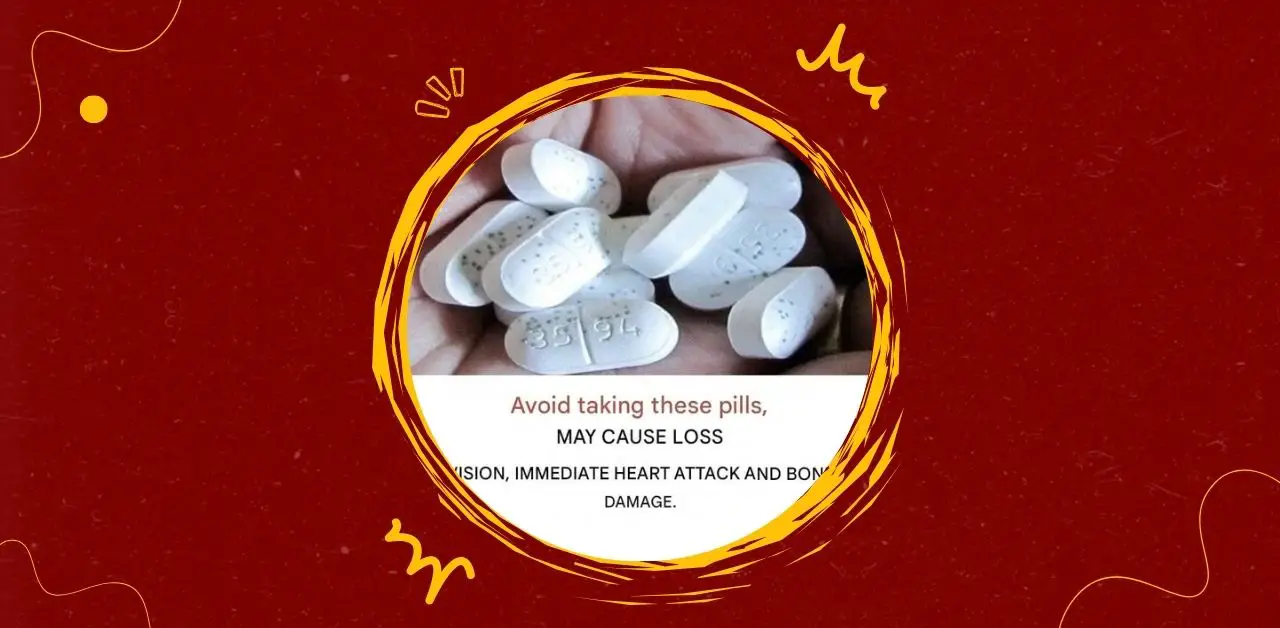
Medications are designed to improve health, relieve symptoms, and save lives. However, not all medicines are suitable for everyone, and some can carry significant risks if taken without proper medical guidance. In recent years, there has been growing concern about certain tablets that may contribute to serious health complications. These risks highlight the importance of consulting healthcare professionals before starting or continuing any medication.
Why Some Tablets Can Be Risky
Every medication interacts with the body in specific ways. While many are safe when prescribed correctly, some can affect circulation, heart function, or bone health. Tablets that influence blood flow or clotting mechanisms, for example, may increase the likelihood of complications if taken improperly or without supervision.
The danger often lies not in the medicine itself but in how it is used. Self-medication, incorrect dosages, or mixing drugs without medical advice can amplify risks. This is why professional consultation is essential before taking any new medication.
Potential Health Concerns
- Circulatory Issues: Certain tablets may affect blood consistency, leading to problems with circulation. If blood becomes too thick or clots too easily, it can create blockages that strain the body.
- Cardiovascular Strain: Medications that alter heart rhythm or blood pressure can place stress on the cardiovascular system. Without monitoring, this can lead to serious complications.
- Bone and Joint Health: Some medicines may interfere with calcium absorption or bone density, gradually weakening the skeletal system.
- Vision Changes: In rare cases, medications can affect eye health, leading to blurred vision or other disturbances.
The Importance of Medical Guidance
Doctors and pharmacists play a crucial role in ensuring that medications are safe and effective for each individual. They consider factors such as age, medical history, lifestyle, and existing conditions before prescribing. This personalized approach reduces risks and ensures that the benefits of treatment outweigh potential side effects.
Ignoring professional advice or relying on unverified information can be dangerous. Even over-the-counter tablets can cause harm if taken in excess or combined with other substances.
Safe Practices for Medication Use
- Consult a professional: Always seek medical advice before starting or stopping any medication.
- Follow dosage instructions: Take tablets exactly as prescribed, without increasing or reducing the amount on your own.
- Avoid self-medication: Do not take medicines based on recommendations from non-professional sources.
- Monitor your health: Pay attention to changes in your body and report unusual symptoms to a doctor immediately.
- Store safely: Keep medications in a secure place, away from children and pets.
Conclusion
Medications can be powerful tools for healing, but they must be used responsibly. Some tablets carry risks that can affect circulation, heart health, bones, or vision if taken without proper guidance. The best way to protect yourself is to consult healthcare professionals, follow instructions carefully, and remain vigilant about your body’s response.
Ultimately, safe medication use is about balance—benefiting from the healing properties of medicine while minimizing potential harm. By respecting professional advice and practicing caution, you can ensure that your health remains protected and supported.