
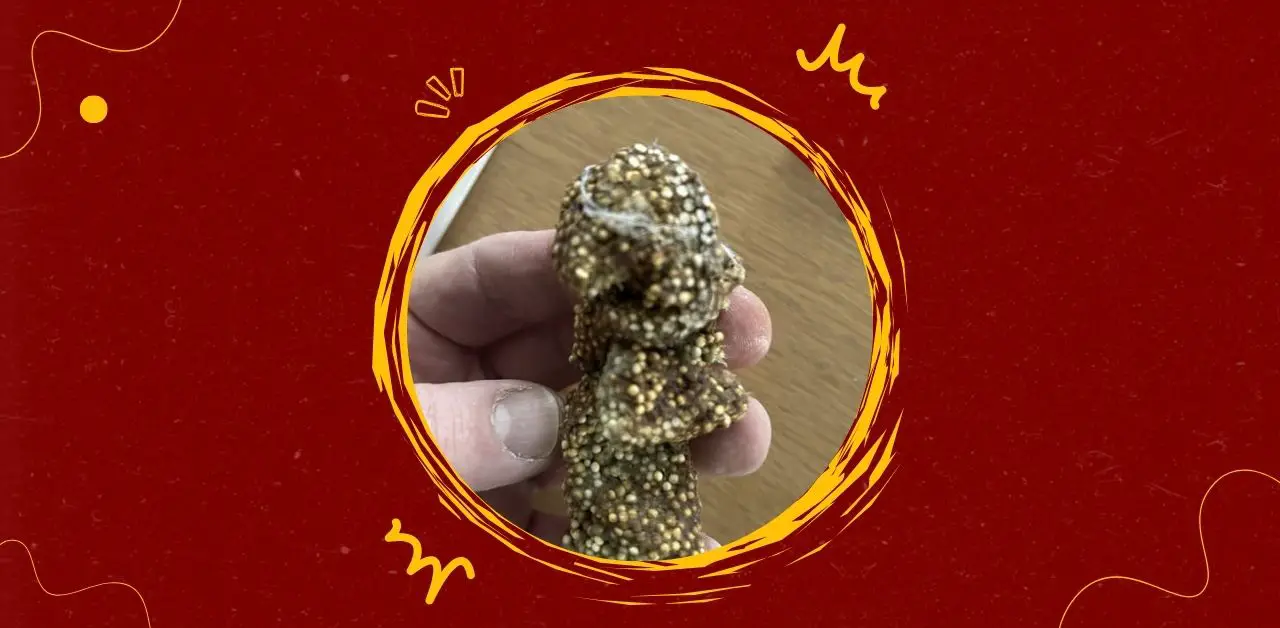
Discovering an unusual sticky cluster under a shelf in your home can be unsettling. When combined with signs like a small hole in the corner of the room and brick powder on the floor, it raises questions about whether the material is natural, pest-related, or simply a buildup of household debris. While it may look strange, most cases have straightforward explanations. This article explores possible causes, how to identify them, and safe steps to take.
Possible Causes
1. Pest Activity
- Rodents or small mammals: Holes in walls or corners with brick powder often suggest gnawing activity. Rodents sometimes drag food or nesting material into hidden spaces, which can clump together and appear sticky.
- Insects: Certain insects, such as wasps or beetles, may leave behind clusters of chewed plant matter, seeds, or frass (droppings). Mold can grow on these materials, giving them a sticky or fibrous appearance.
2. Mold or Fungal Growth
- Organic matter like seeds, food crumbs, or moisture trapped under a shelf can attract mold. Mold often binds particles together, creating irregular clusters with white or fibrous material.
- The greenish or whitish webbing you noticed could be mold hyphae, which spread across surfaces when humidity is high.
3. Seed or Food Residue
- If the cluster resembles grains or seeds, it may be spilled bird food, pet food, or dried plant material that has stuck together over time.
- Moisture or sticky substances (like oils or sugars) can cause seeds to clump, and mold may grow on them if left undisturbed.
4. Structural Debris
- Brick powder on the floor suggests some erosion or damage in the wall. Loose mortar or crumbling brick can mix with dust, moisture, and organic matter, forming sticky clumps.
- In older homes, such debris may accumulate unnoticed until disturbed.
How to Identify the Material
- Texture: If it feels grainy and seed-like, it may be food or plant matter.
- Odor: A musty smell points to mold, while a sour or oily smell may suggest decayed food.
- Location: Found near a hole or damaged wall, it could be linked to pests or structural issues.
- Color: Brown, yellow, or green hues often indicate mold or organic decay.
What to Do Next
- Remove safely: Wear gloves and a mask when handling the material. Place it in a sealed bag and dispose of it.
- Clean the area: Wipe the shelf and surrounding surfaces with a mild disinfectant to remove residue and spores.
- Inspect the hole: Check the corner for signs of pest entry. If rodents or insects are suspected, seal the hole after cleaning.
- Monitor for recurrence: Keep an eye on the area. If more clusters appear, it may indicate ongoing pest activity or moisture problems.
- Seek professional help: If you suspect structural damage or persistent pests, consult a pest control expert or building professional.
Final Thoughts
Finding sticky gunk under a shelf can be surprising, but it usually comes down to a mix of organic matter, moisture, and possibly pest activity. The presence of a hole and brick powder suggests that something may be entering or eroding the space, so addressing both the debris and the structural issue is important. By cleaning carefully, sealing entry points, and monitoring the area, you can restore cleanliness and prevent recurrence.
This discovery is a reminder that even small, hidden corners of a home can reveal clues about its condition. Treating the situation with curiosity and care ensures both safety and peace of mind.