
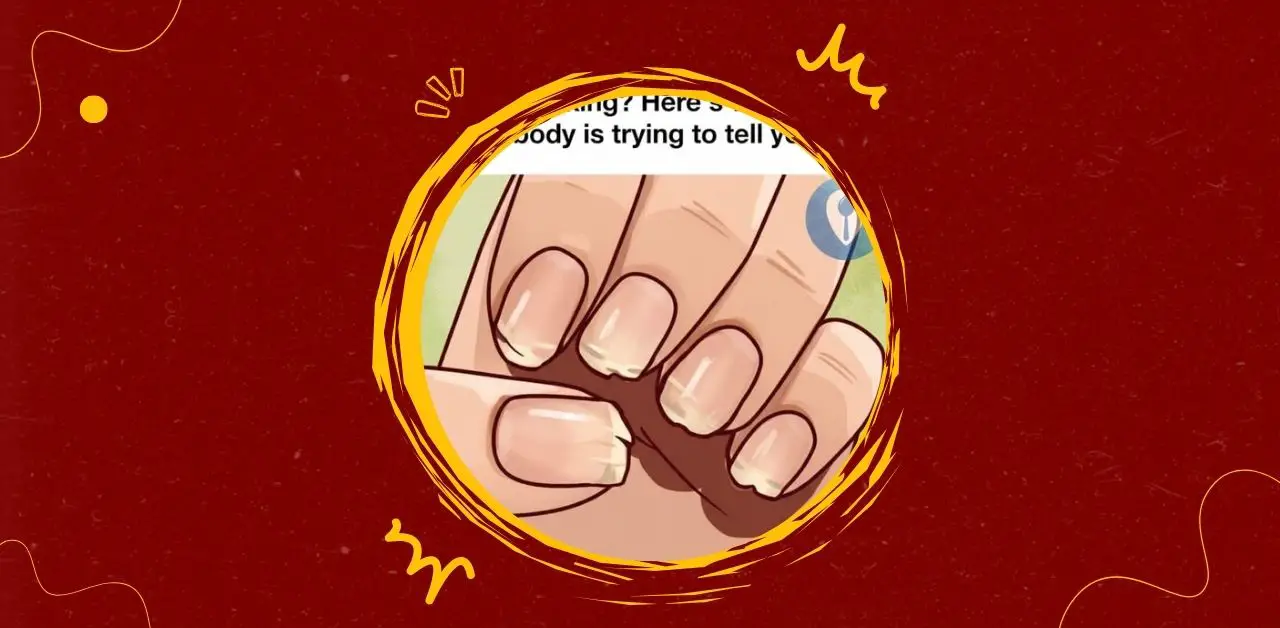
Nails are often seen as small details in our appearance, but they can serve as important indicators of overall health. When fingernails frequently split, crack, or break, it is not just a cosmetic concern—it may be your body’s way of signaling underlying issues. Paying attention to nail health can provide valuable insight into nutrition, lifestyle, and even systemic conditions.
Common Causes of Nail Splitting and Breaking
- Moisture Imbalance Nails are made of keratin, a protein that requires balance between hydration and strength. Constant exposure to water, detergents, or harsh chemicals can weaken the nail structure, making them brittle and prone to splitting.
- Nutritional Deficiencies
- Protein: Since nails are composed of protein, insufficient intake can lead to weak growth.
- Iron: Low iron levels may cause nails to become thin and fragile.
- Biotin and other B vitamins: These play a role in keratin production and nail resilience.
- Zinc: Deficiency can slow nail repair and growth.
- Environmental Stressors Cold weather, dry air, or frequent use of nail polish removers can strip natural oils from nails, leaving them brittle.
- Underlying Health Conditions Persistent nail splitting may sometimes be linked to thyroid imbalances, skin conditions like eczema or psoriasis, or other systemic issues. While occasional breakage is normal, chronic problems may warrant professional evaluation.
Lifestyle Factors That Influence Nail Health
- Hydration: Drinking enough water supports nail flexibility and prevents dryness.
- Diet: A balanced diet rich in leafy greens, lean proteins, nuts, and seeds helps provide the nutrients nails need.
- Protection: Wearing gloves during household chores or gardening shields nails from harsh chemicals and excessive moisture.
- Gentle Care: Avoiding aggressive filing or biting nails reduces mechanical stress that leads to splitting.
Practical Tips for Stronger Nails
- Moisturize Regularly Applying a nourishing hand cream or cuticle oil helps lock in moisture and maintain nail elasticity.
- Limit Harsh Products Reduce the use of acetone-based nail polish removers and avoid prolonged exposure to detergents without protection.
- Trim and File Properly Keeping nails at a manageable length and filing in one direction prevents small cracks from spreading.
- Focus on Nutrition Incorporating foods rich in iron (like spinach and lentils), biotin (like eggs and almonds), and zinc (like pumpkin seeds) can support nail strength.
- Monitor Health Signals If nails continue to split despite good care, it may be worth consulting a healthcare professional to rule out underlying conditions.
The Bigger Picture
Nails are more than just a surface for polish—they are extensions of your body’s health story. Splitting or breaking nails can be a temporary inconvenience caused by environmental factors, but when persistent, they may highlight deeper nutritional or systemic imbalances. By treating nails with care, nourishing them from within, and paying attention to their condition, you can not only improve their appearance but also gain valuable insight into your overall well-being.