
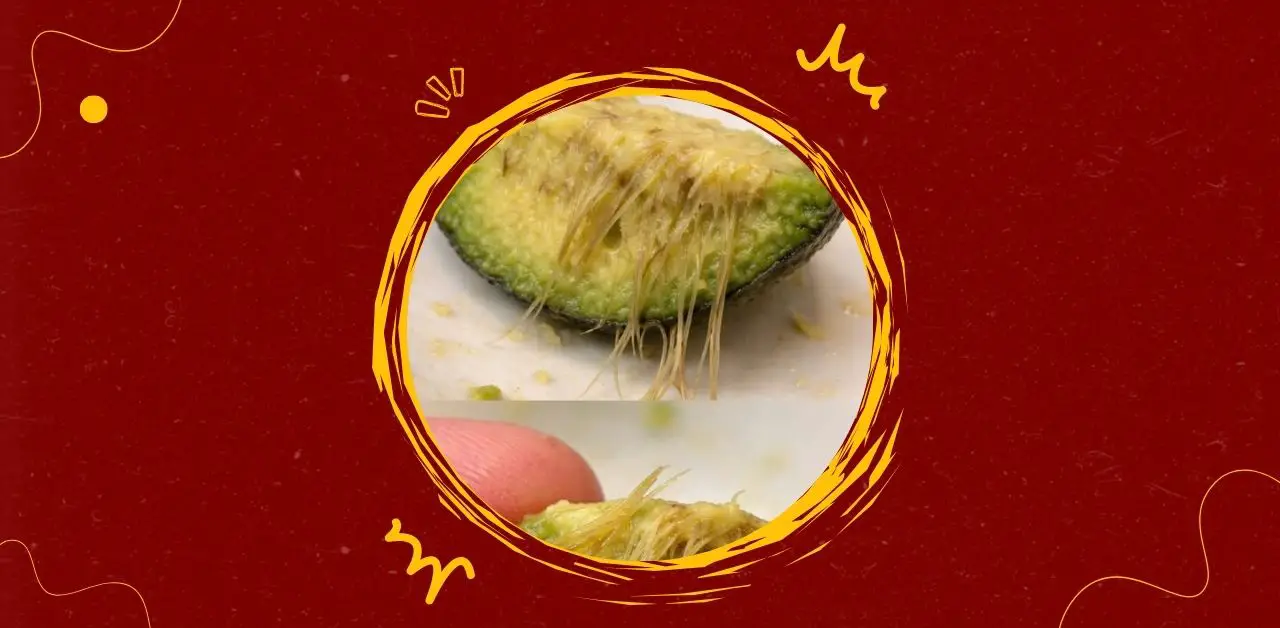
Avocados are prized for their creamy texture and rich flavor, making them a favorite for toast, salads, and smoothies. However, every now and then, consumers encounter an avocado that looks unusual — stringy, fibrous, and filled with strands running through the flesh. This can be surprising, especially when preparing food for children or guests. While it may look alarming, fibrous avocados are not harmful. Instead, they are the result of natural variations in fruit development, growing conditions, or ripeness.
What Causes Fibrous Texture in Avocados
1. Variety Differences
Not all avocados are bred for smoothness. Some varieties naturally develop more fibers, especially those grown in warmer climates or less commercialized regions.
2. Growing Conditions
- Heat Stress: Excessive heat during the growing season can cause the fruit to develop stringy fibers.
- Water Stress: Irregular watering or drought conditions may affect the fruit’s texture.
- Nutrient Imbalance: Soil lacking in certain nutrients can lead to uneven fruit development.
3. Ripeness and Storage
- Overripe avocados often show fibrous strands as the flesh begins to break down.
- Poor storage conditions, such as fluctuating temperatures, can accelerate this process.
4. Mechanical Damage
If the fruit was bruised or handled roughly during harvest or transport, fibers may become more pronounced.
Is It Safe to Eat?
Yes, fibrous avocados are safe to eat. The fibers are simply part of the fruit’s structure and do not indicate spoilage or contamination. However, the texture may be less pleasant compared to the creamy consistency most people expect.
How to Use Fibrous Avocados
- Blending: Use them in smoothies or purees where the fibers will break down.
- Cooking: Incorporate into soups, sauces, or baked dishes where texture is less noticeable.
- Spreads: Mash thoroughly with a fork or blend with lemon juice and olive oil to smooth out the fibers.
When to Avoid
While fibrous strands themselves are harmless, you should avoid eating avocados if:
- The flesh has a sour or rancid smell.
- There are dark, mushy spots throughout.
- Mold is visible on the skin or flesh.
These signs indicate spoilage, not just natural fibrous texture.
Conclusion
Finding fibrous strands inside an avocado can be surprising, but it is a natural occurrence linked to variety, growing conditions, or ripeness. The fruit remains safe to eat, though the texture may not be ideal for creamy dishes like guacamole or toast. Instead of discarding it, consider blending or cooking with fibrous avocados to make the most of their nutritional value.