
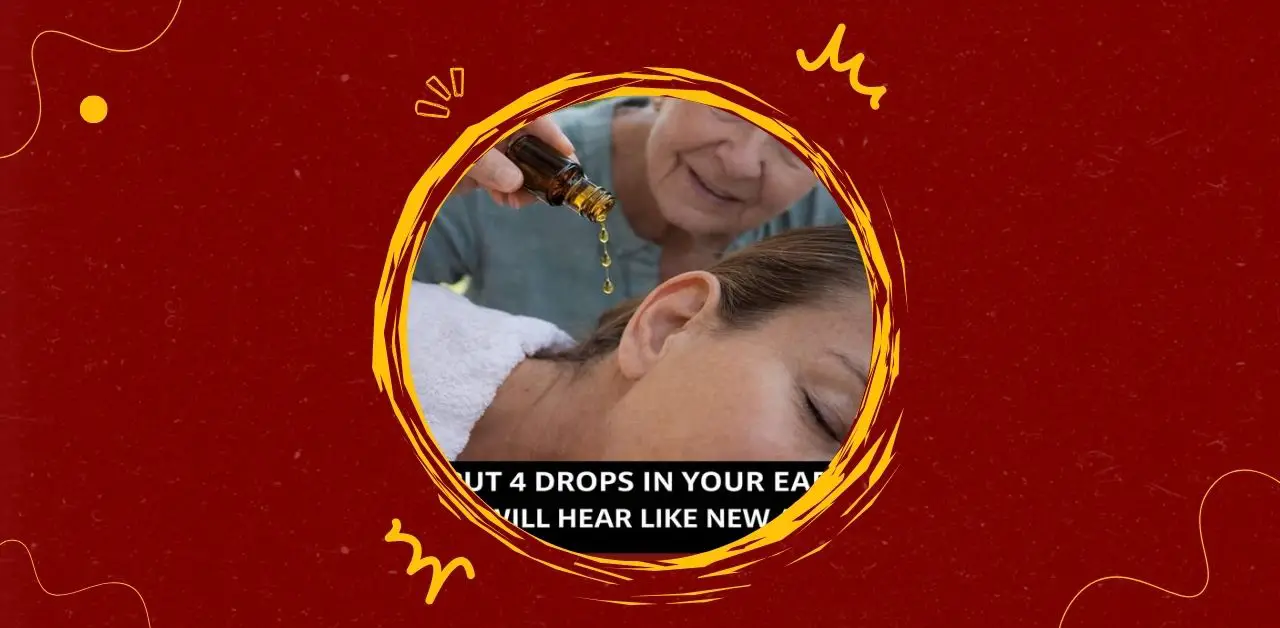
Ear health is often overlooked until problems arise, such as muffled hearing, discomfort, or ringing. Many people turn to home remedies, including oils or drops, hoping for quick relief. However, the ear is a delicate organ, and improper treatments can cause more harm than good. Hearing difficulties can stem from a variety of causes—wax buildup, infections, age-related changes, or nerve-related issues. Understanding these causes and knowing safe practices is essential for maintaining ear health.
The Anatomy of Hearing The ear is divided into three parts:
- Outer ear: Collects sound waves and directs them inward.
- Middle ear: Contains the eardrum and tiny bones that amplify sound.
- Inner ear: Houses the cochlea and auditory nerve, converting vibrations into signals for the brain.
Any disruption in these areas can affect hearing. For example, wax buildup in the outer ear may block sound, while infections in the middle ear can cause pain and temporary hearing loss. Age-related changes in the inner ear often lead to gradual hearing decline.
Common Causes of Hearing Difficulties
- Earwax buildup: A natural protective substance, but too much can block sound.
- Infections: Bacterial or viral infections can cause inflammation and fluid buildup.
- Age-related hearing loss: Gradual decline in sensitivity due to changes in the inner ear.
- Noise exposure: Loud environments can damage delicate hair cells in the cochlea.
- Medical conditions: Diabetes, hypertension, or nerve disorders can affect hearing.
The Risks of Home Remedies Many traditional practices suggest putting oils or drops into the ear canal. While some may seem harmless, they can pose risks:
- Oils may trap bacteria, leading to infection.
- Liquids can irritate the ear canal or eardrum.
- Unverified remedies may worsen existing conditions.
It is important to remember that hearing loss or discomfort should not be treated with untested solutions. Professional evaluation is the safest path.
Safe Ear Care Practices
- Avoid inserting objects: Cotton swabs or sharp items can push wax deeper or damage the eardrum.
- Clean gently: Wipe the outer ear with a damp cloth; let the ear canal clean itself naturally.
- Manage wax safely: If buildup occurs, use doctor-approved drops or seek professional removal.
- Protect from noise: Wear earplugs in loud environments to prevent long-term damage.
- Stay dry: Keep ears dry after swimming or bathing to reduce infection risk.
When to Seek Medical Help Consult a healthcare professional if you experience:
- Sudden or persistent hearing loss
- Pain or discomfort in the ear
- Ringing or buzzing sounds (tinnitus)
- Fluid discharge from the ear
- Dizziness or balance issues
These symptoms may indicate underlying conditions that require medical treatment.
The Role of Technology in Hearing Health Modern solutions include hearing aids, cochlear implants, and assistive devices. These technologies are designed to improve quality of life for those with hearing difficulties. Unlike home remedies, they are tested, safe, and tailored to individual needs.
Conclusion The idea of “putting drops in your ear to hear like new again” is appealing but misleading. Hearing health is complex, and quick fixes rarely address the root cause. Safe practices, professional evaluation, and modern technology are the true pathways to maintaining or restoring hearing.
Ear care is about patience and responsibility. By respecting the delicate nature of the ear and avoiding risky remedies, you can protect your hearing and enjoy the sounds of life for years to come.