
Colonoscopy is one of the most important screening tools in modern medicine. While the idea of undergoing the procedure can feel intimidating, understanding what it is, why it’s recommended, and how it works can ease anxiety and highlight its life-saving potential.
🔍 What Is a Colonoscopy?
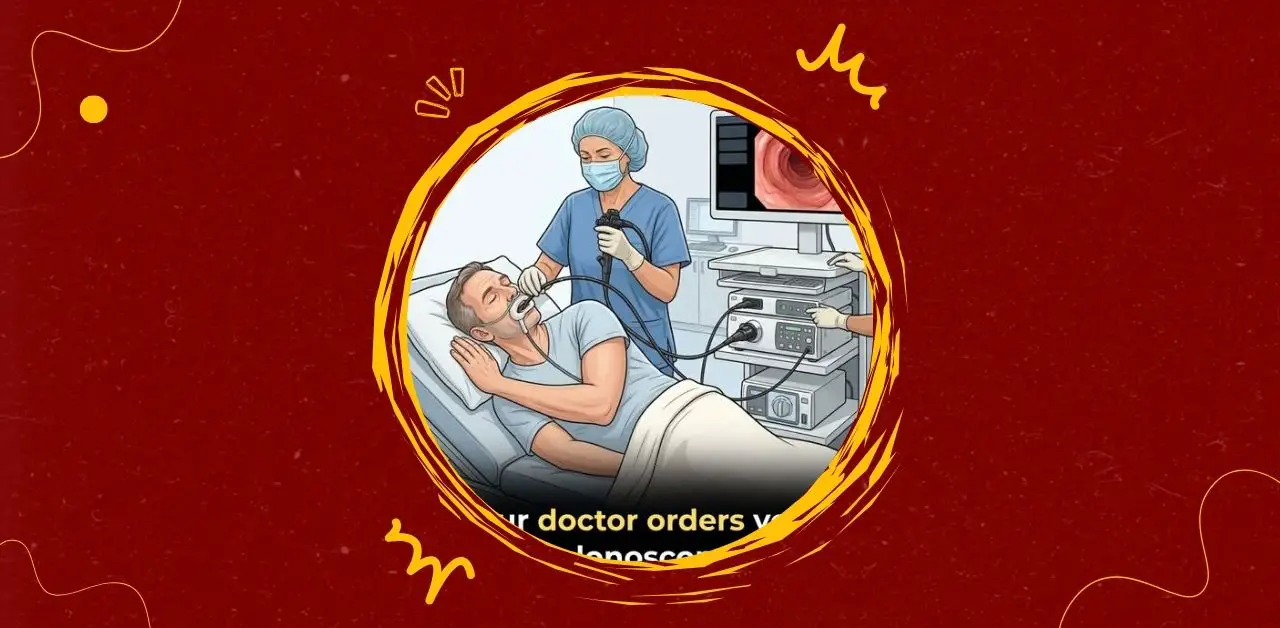
A colonoscopy is a medical procedure that allows doctors to examine the inside of your large intestine (colon and rectum) using a flexible tube called an endoscope. The endoscope has a tiny camera at its tip, which transmits images to a monitor, giving physicians a clear view of your intestinal lining.
🧠 Why Doctors Recommend It
- Cancer Screening: Colonoscopy is the gold standard for detecting colorectal cancer early, often before symptoms appear.
- Polyp Removal: Small growths (polyps) can be removed during the procedure, preventing them from becoming cancerous.
- Diagnosis of Symptoms: If you experience unexplained abdominal pain, bleeding, or changes in bowel habits, colonoscopy helps identify the cause.
- Monitoring Conditions: For patients with inflammatory bowel disease (IBD) or a family history of colon cancer, regular colonoscopies are essential.
🛠️ How the Procedure Works
- Preparation: Patients follow a special diet and take a bowel-cleansing solution the day before to ensure the colon is clear.
- Sedation: Most people receive mild sedation to stay comfortable and relaxed.
- Examination: The doctor inserts the endoscope through the rectum and carefully examines the colon lining.
- Intervention: If polyps or abnormalities are found, they can often be removed immediately.
- Recovery: The procedure usually takes 30–60 minutes, and patients can go home the same day.
🌟 Benefits of Colonoscopy
- Detects cancer early, when it’s most treatable.
- Prevents cancer by removing precancerous polyps.
- Provides peace of mind through clear results.
- Offers immediate treatment during the exam.
⚖️ Risks and Considerations
While colonoscopy is generally safe, minor risks include bleeding, infection, or perforation of the colon wall. These are rare, and the benefits of screening far outweigh the risks for most people.
🧳 Who Should Get Screened?
- Adults aged 45 and older (earlier if you have risk factors).
- Anyone with a family history of colorectal cancer.
- Individuals with chronic digestive conditions.
✅ Final Thoughts
Colonoscopy isn’t just a medical test—it’s a powerful preventive tool that saves lives. If your doctor recommends one, it’s not a punishment or unnecessary hassle; it’s a proactive step toward protecting your health. With preparation, sedation, and skilled professionals, the process is far less daunting than many imagine.