
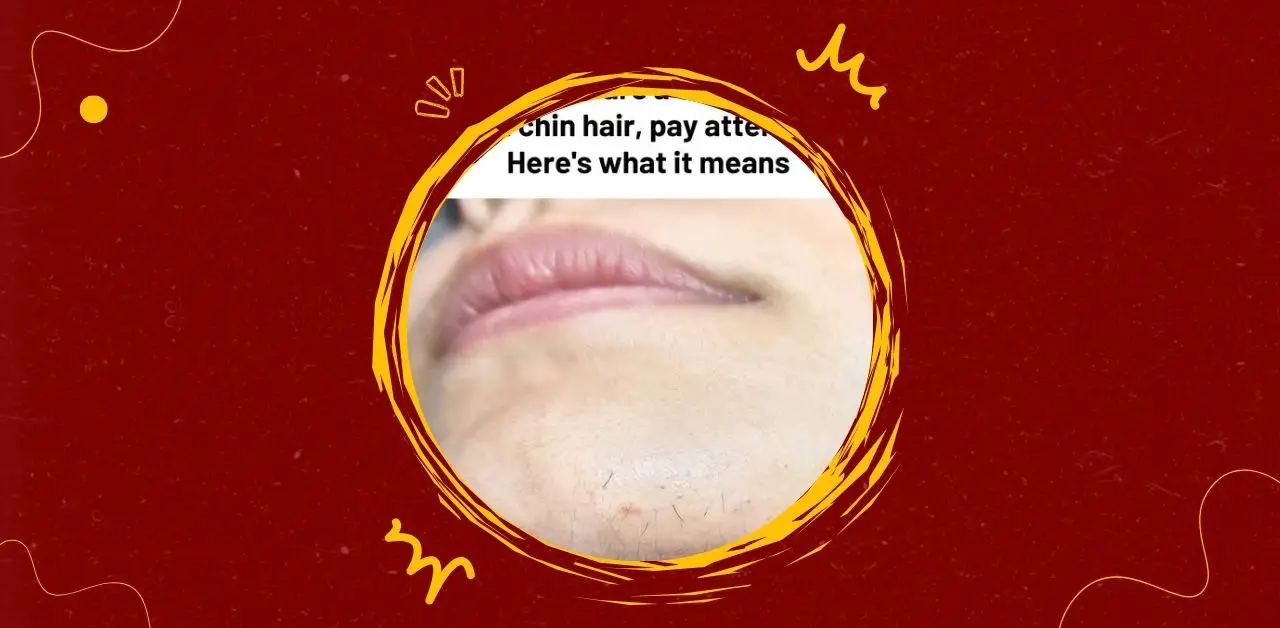
Coarse facial hair growth in women, often referred to clinically as hirsutism, is a condition where dark, thick hair appears in areas typically associated with male-pattern growth, such as the chin, upper lip, chest, or back. While occasional stray hairs are common and often harmless, persistent or sudden changes in hair growth can signal underlying health concerns.
Clinical Causes of Coarse Facial Hair
- Hormonal Imbalances:
- Elevated levels of androgens (male hormones such as testosterone) are the most common cause.
- Conditions like polycystic ovary syndrome (PCOS) often lead to excess androgen production, resulting in hirsutism.
- Other endocrine disorders, such as adrenal gland abnormalities, can also contribute.
- Genetics and Ethnicity:
- Some women naturally have more visible facial hair due to genetic predisposition.
- Ethnic background plays a role, with certain populations more prone to coarse hair growth.
- Age-Related Changes:
- Hormonal fluctuations during menopause can alter hair growth patterns.
- Reduced estrogen levels may allow androgens to exert a stronger influence.
- Medications:
- Certain drugs, including anabolic steroids, corticosteroids, or medications affecting hormone levels, may trigger hirsutism.
- Underlying Medical Conditions:
- Rare but serious causes include androgen-secreting tumors of the ovaries or adrenal glands.
- Thyroid disorders or insulin resistance can also be associated with abnormal hair growth.
When to Seek Medical Evaluation
While mild facial hair growth can be managed cosmetically, medical evaluation is recommended if:
- Hair growth is sudden or rapidly worsening.
- It is accompanied by other symptoms such as irregular menstrual cycles, acne, or deepening of the voice.
- Hair appears in multiple areas beyond the face, such as the chest or back.
- There is concern about an underlying hormonal or metabolic disorder.
A healthcare provider may order blood tests to measure hormone levels, evaluate ovarian or adrenal function, and rule out more serious conditions.
Management and Treatment Options
- Cosmetic Approaches: Shaving, waxing, threading, or laser hair removal can manage unwanted hair.
- Medical Treatments: Oral contraceptives, anti-androgen medications, or insulin-sensitizing drugs may be prescribed depending on the underlying cause.
- Lifestyle Adjustments: Weight management and balanced nutrition can improve symptoms in women with PCOS or insulin resistance.
Emotional and Social Impact
Coarse facial hair growth can affect self-esteem and emotional well-being. Recognizing that hirsutism is a medical condition—not a reflection of personal hygiene or femininity—can help reduce stigma. Support from healthcare providers and access to effective treatments can make a significant difference in quality of life.
Final Thought
Coarse facial hair growth in women is often linked to hormonal changes, genetics, or medical conditions. While it can be distressing, understanding its causes and knowing when to seek evaluation ensures timely care. With proper diagnosis and management, women can address both the physical and emotional aspects of hirsutism, leading to improved confidence and overall health.