
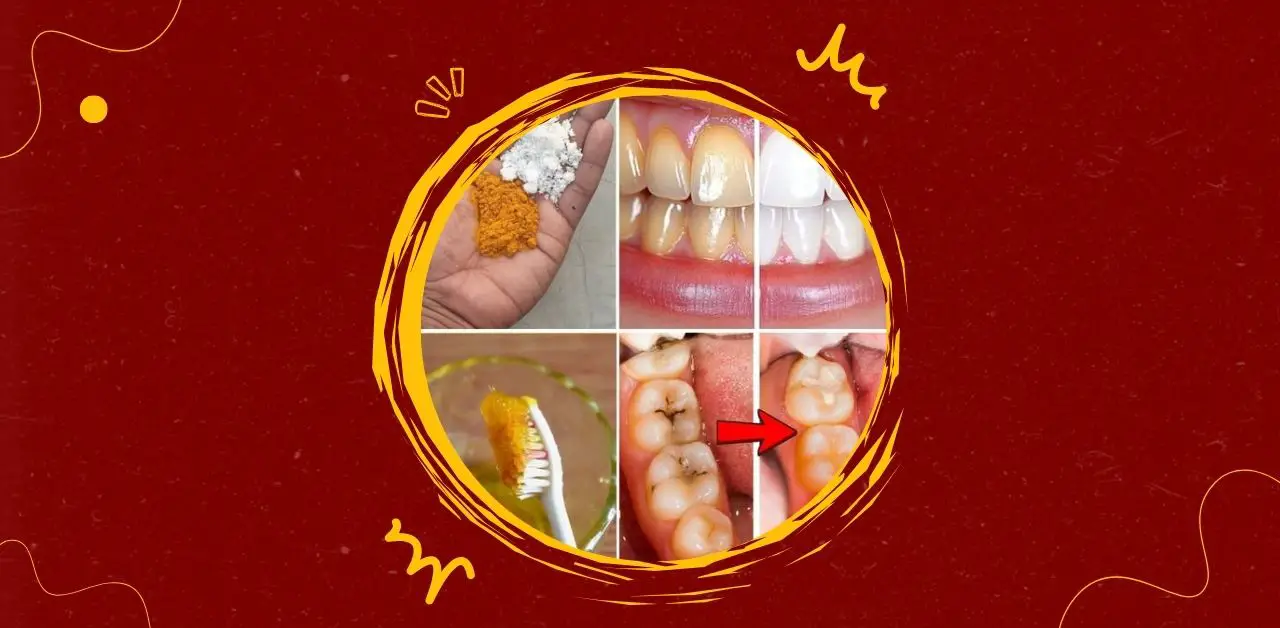
Turmeric, the golden spice derived from the root of Curcuma longa, has long been celebrated for its anti-inflammatory and antimicrobial properties. Recently, it has gained attention as a natural teeth-whitening remedy, with social media trends showing people brushing with turmeric powder to brighten their smiles. But does this vibrant spice truly whiten teeth, or is it more hype than help?
What Makes Turmeric Appealing for Dental Care
- Anti-inflammatory properties: Turmeric contains curcumin, which can reduce gum inflammation and support oral health.
- Antimicrobial effects: Its natural compounds may help fight bacteria that contribute to plaque and bad breath.
- Traditional use: In Ayurvedic medicine, turmeric has been used for centuries to maintain oral hygiene and treat gum issues.
These qualities make turmeric attractive as a natural alternative to chemical-based whitening products.
The Whitening Claim
The idea of turmeric whitening teeth comes from its ability to reduce plaque and surface stains. Some users report that brushing with turmeric paste leaves their teeth looking cleaner and brighter. However, scientific evidence is limited. Dentists caution that turmeric’s intense yellow pigment can actually stain surfaces, raising questions about its effectiveness as a whitening agent.
What the Science Says
- Curcumin as a dye: The same compound that gives turmeric its color is a strong natural pigment. While it may help remove some surface stains, it can also leave a temporary yellow tint.
- No bleaching effect: Unlike professional whitening agents (such as hydrogen peroxide), turmeric does not chemically lighten enamel.
- Potential benefits: Turmeric may improve gum health and reduce bacteria, indirectly contributing to a cleaner, healthier smile.
In short, turmeric may support oral hygiene but is unlikely to deliver dramatic whitening results.
How People Use Turmeric for Teeth
- Turmeric paste: Mixing turmeric powder with water or coconut oil and brushing gently.
- Oil pulling: Combining turmeric with coconut oil and swishing in the mouth for several minutes.
- DIY blends: Some add baking soda or salt to turmeric for enhanced cleaning power.
Dentists recommend caution—abrasive mixtures can wear down enamel if used too often.
Risks and Considerations
- Staining potential: Turmeric can temporarily stain teeth, gums, or toothbrushes.
- Limited evidence: There is no strong scientific proof that turmeric whitens teeth.
- Safety: Turmeric is generally safe in small amounts, but frequent use may irritate gums or damage enamel if combined with abrasives.
Conclusion
Turmeric is a powerful spice with proven health benefits, especially for reducing inflammation and fighting bacteria. While it may help clean teeth and improve gum health, its role as a whitening agent is questionable. Doctors and dentists agree that turmeric is not a substitute for professional whitening treatments, though it can be a natural addition to an oral care routine. If you’re curious, it’s safe to try occasionally—but don’t expect a dramatic transformation.