
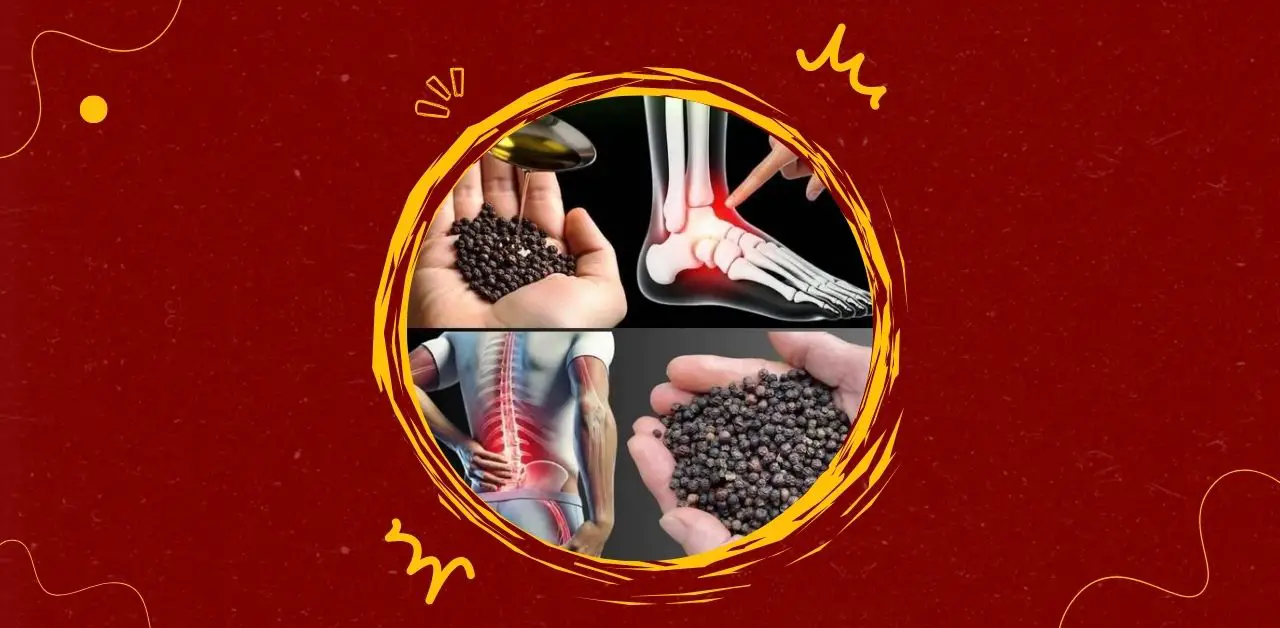
This recipe creates a warming topical oil designed to stimulate circulation and provide mild anti-inflammatory relief to stiff joints and muscles. The piperine in black pepper is known to help with blood flow, while the oleocanthal in extra virgin olive oil acts similarly to some mild anti-inflammatory agents.
Ingredients
- 1/2 cup Extra Virgin Olive Oil (Cold-pressed is best for high antioxidant content)
- 2 tablespoons Black Peppercorns (Whole peppercorns are preferred for freshness, then crushed)
- Optional: 1 teaspoon of ground Turmeric (to boost anti-inflammatory effects)
Instructions
- Prepare the Pepper: Using a mortar and pestle or the back of a heavy spoon, roughly crush the black peppercorns. You want them broken open, not turned into a fine powder.
- The Infusion (Low Heat): Place the olive oil and crushed pepper in a small saucepan. Warm the mixture over very low heat for 10–15 minutes. Do not let the oil boil or smoke, as this destroys the beneficial compounds.
- Cooling: Remove from heat and let the mixture sit until it reaches room temperature.
- Straining: Pour the oil through a fine mesh strainer or cheesecloth into a clean glass jar to remove the pepper pieces.
- Application: Gently massage a small amount of the oil into the affected area (like the ankle or lower back shown in your image) for 5 minutes.
Tips
- The Patch Test: Always test a small drop on your inner wrist first. Black pepper can be irritating to sensitive skin.
- Consistency: For best results with minor inflammation, apply the oil once or twice daily for a full week.
- Storage: Keep the jar in a cool, dark place. It will stay fresh for about 1 month.
A Note on Chronic Pain
The image you shared shows significant areas of pain, such as the sciatic nerve and the ankle joint. While this oil can help with surface-level stiffness:
- Sciatica (Back/Leg Pain): Usually caused by a compressed nerve in the spine. Topical oils cannot reach the deep nerves of the lower back.
- Joint Pain: If you experience swelling, redness, or a sharp “shooting” pain, it’s best to see a professional, as these could indicate a mechanical issue rather than simple inflammation.