
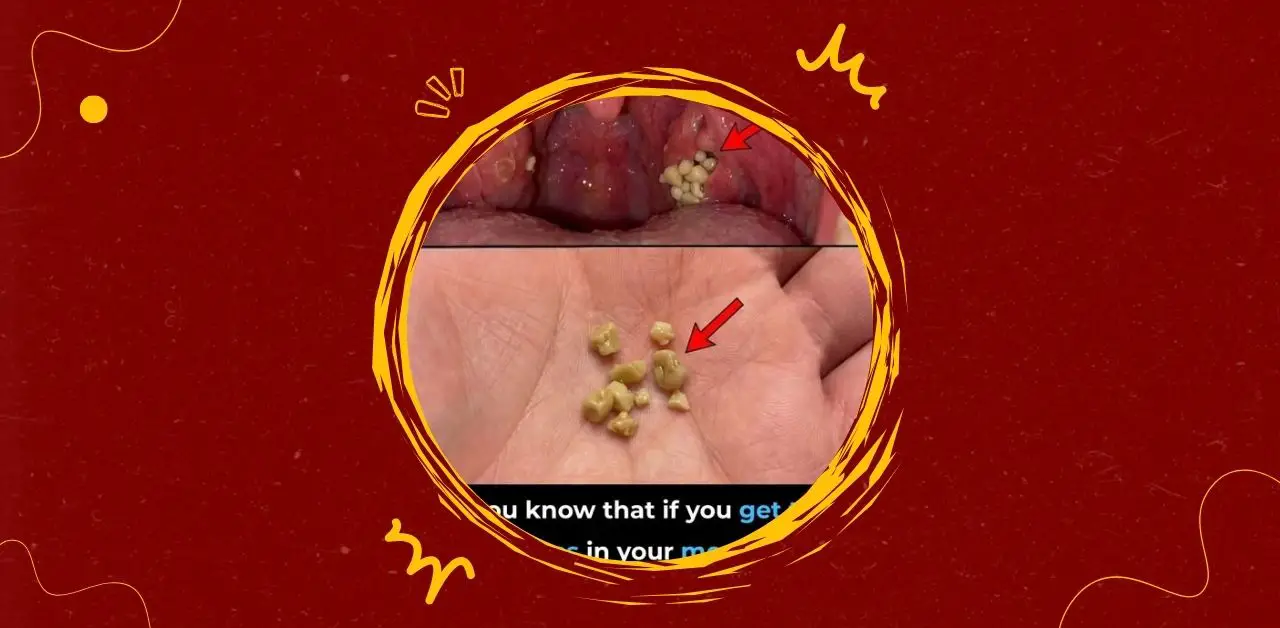
Tonsil stones, medically known as tonsilloliths, are small, white or yellowish lumps that form in the crevices of the tonsils. While they may look alarming, they are generally not dangerous. However, they can cause discomfort, bad breath, and sometimes signal underlying oral health issues. This article explores what tonsil stones are, why they form, and how to manage them safely.
What Are Tonsil Stones?
Tonsils are part of the lymphatic system, located at the back of the throat. They help fight infections by trapping bacteria and debris. Over time, food particles, dead cells, and mucus can accumulate in the tonsil crypts (small pockets). When this material hardens or calcifies, it forms tonsil stones.
- Appearance: Small, hard lumps, white or yellow in color.
- Size: Can range from tiny grains to larger, pea-sized stones.
- Texture: Often chalky or crumbly when removed.
Common Symptoms
Not everyone with tonsil stones experiences symptoms, but when they do, they may include:
- Persistent bad breath (halitosis).
- Sore throat or irritation.
- Difficulty swallowing.
- Ear pain (due to shared nerve pathways).
- Visible white or yellow bumps on the tonsils.
Causes and Risk Factors
Several factors contribute to the formation of tonsil stones:
- Poor oral hygiene: Increases buildup of bacteria and debris.
- Chronic tonsillitis: Frequent inflammation makes tonsil crypts deeper.
- Large tonsils: More surface area for debris to collect.
- Dietary habits: Sticky or processed foods may leave residue in the throat.
Are Tonsil Stones Dangerous?
In most cases, tonsil stones are harmless. They do not usually cause serious illness, but they can be uncomfortable and socially distressing due to bad breath. Rarely, very large stones may cause significant pain or infection, requiring medical attention.
Safe Management and Prevention
- Good oral hygiene: Brush teeth and tongue twice daily, floss regularly, and use mouthwash.
- Hydration: Drinking water helps flush debris and bacteria.
- Saltwater gargles: Reduce bacteria and soothe irritation.
- Dietary adjustments: Limit sugary and sticky foods that leave residue.
- Professional care: In persistent or severe cases, a doctor may recommend removal or, in rare cases, tonsillectomy.
Removal Methods
- Gentle dislodging: Some people use cotton swabs or oral irrigators to remove stones, but this should be done carefully to avoid injury.
- Medical removal: ENT specialists can safely extract stones if they are large or recurrent.
- Surgical option: Tonsillectomy may be considered for chronic, severe cases, though it is usually a last resort.
Conclusion
Tonsil stones are a common condition that many people experience without realizing it. While they are not typically harmful, they can cause discomfort and bad breath. By practicing good oral hygiene, staying hydrated, and seeking medical advice when necessary, individuals can manage tonsil stones effectively. Awareness and care transform this minor nuisance into a manageable aspect of oral health, ensuring comfort and confidence in daily life.