
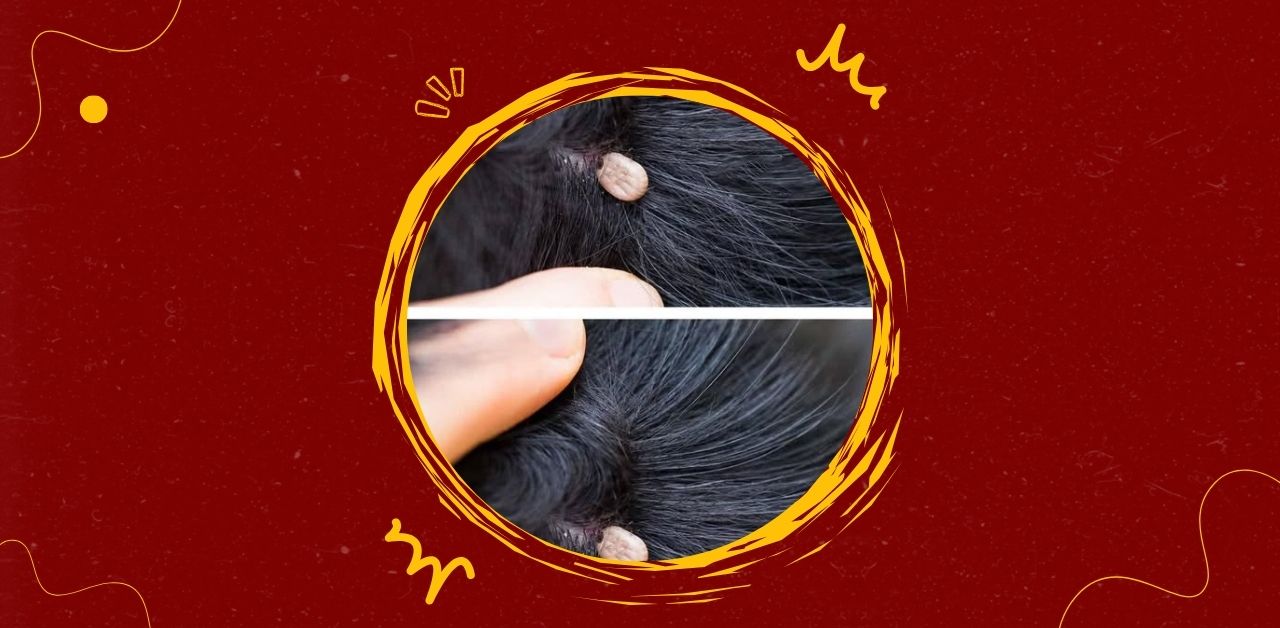
Ticks are parasitic arachnids that feed on blood from humans and animals. Discovering one in your child’s hair can be alarming, but knowing what they are, how to remove them safely, and what to watch for afterward is essential.
What Ticks Are
- Belong to the arachnid family (related to spiders and mites).
- Attach firmly to the skin using specialized mouthparts.
- Feed on blood and can remain attached for several days.
- Some species transmit diseases such as Lyme disease, Rocky Mountain spotted fever, and other tick-borne illnesses.
Identifying a Tick
- Appearance: Small, oval body that swells as it feeds.
- Color: Ranges from brown to gray; engorged ticks look larger and paler.
- Location: Often found in warm, hidden areas—scalp, behind ears, armpits, groin.
Safe Removal Steps
- Use fine-tipped tweezers.
- Grasp the tick as close to the skin’s surface as possible.
- Pull upward steadily.
- Avoid twisting or jerking, which can break off mouthparts.
- Clean the area.
- Wash the bite site and your hands with soap and water or antiseptic.
- Dispose of the tick.
- Place it in alcohol, a sealed bag, or tape. Some doctors may want to identify it.
What Not to Do
- Do not crush the tick with your fingers.
- Do not use petroleum jelly, nail polish, or heat to try to make it detach—these methods are unsafe and ineffective.
Aftercare and Monitoring
- Watch for rash, fever, fatigue, or flu-like symptoms in the days or weeks following the bite.
- If symptoms appear, seek medical attention immediately.
- In areas where tick-borne diseases are common, consult a healthcare provider even if no symptoms develop.
Prevention Tips
- Encourage children to wear hats and long sleeves when playing in grassy or wooded areas.
- Use tick repellents approved for children.
- Check hair, scalp, and skin after outdoor activities.
- Keep lawns trimmed and avoid tall grass where ticks thrive.
Key Takeaway
The insect you found is a tick, and while its presence is concerning, careful removal and monitoring are usually sufficient. The most important step is to remove it properly and watch for any signs of illness afterward.