
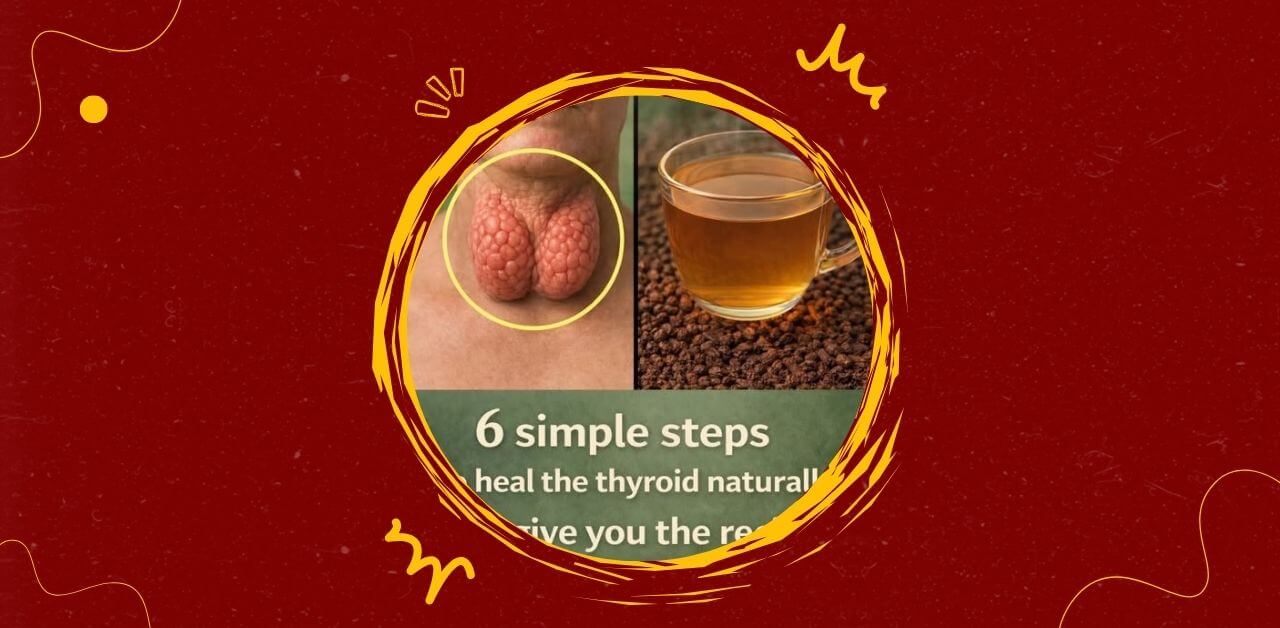
This thyroid-supporting herbal tea blend is a gentle, nourishing infusion designed to complement overall thyroid wellness. It combines herbs traditionally used to support endocrine balance, reduce inflammation, and ease stress—factors that often influence thyroid function. The tea is caffeine-free, soothing, and easy to prepare, making it ideal for daily use as part of a holistic self-care routine.
The thyroid gland, located at the base of the neck, plays a vital role in regulating metabolism, energy levels, mood, and body temperature. When thyroid function is disrupted—whether underactive (hypothyroidism) or overactive (hyperthyroidism)—the body can experience fatigue, weight changes, mood swings, and more. While medical treatment is essential for diagnosed thyroid conditions, herbal teas like this one can offer gentle support by calming the nervous system, promoting circulation, and supplying trace minerals.
This recipe features a blend of ashwagandha, lemon balm, nettles, spearmint, and ginger—each chosen for its potential to support thyroid health naturally. The flavor is earthy with hints of citrus and spice, and the aroma is calming and herbal. It’s best enjoyed warm, ideally in the morning or evening, and can be sweetened with raw honey or paired with a slice of lemon for added benefits.
INGREDIENTS:
Base Herbal Blend (for 1 pot or 3–4 cups):
- 1 teaspoon dried ashwagandha root (adaptogen for stress and hormone balance)
- 1 teaspoon dried lemon balm leaves (calming and anti-inflammatory)
- 1 teaspoon dried nettle leaves (rich in minerals and supports metabolism)
- 1 teaspoon dried spearmint leaves (refreshing and hormone-balancing)
- ½ teaspoon dried ginger root (stimulates circulation and digestion)
- 2½ cups water
Optional Additions:
- ½ teaspoon cinnamon bark (warming and blood sugar balancing)
- 1 teaspoon dried chamomile flowers (for relaxation and sleep support)
- Raw honey or maple syrup (to taste)
- Fresh lemon slice (for vitamin C and flavor)
INSTRUCTION:
Step 1: Measure and Mix Herbs In a small bowl or jar, combine the dried herbs: ashwagandha, lemon balm, nettles, spearmint, and ginger. If using optional herbs like cinnamon or chamomile, add them now. Mix gently to distribute evenly.
Step 2: Boil Water Bring 2½ cups of water to a gentle boil in a saucepan or kettle. Once boiling, reduce heat to low.
Step 3: Simmer the Roots Add ashwagandha and ginger to the simmering water first. These roots require longer steeping. Cover and simmer for 10 minutes.
Step 4: Add Leaves and Flowers After 10 minutes, add the remaining herbs—lemon balm, nettles, spearmint, and any optional flowers. Turn off the heat and cover the pot. Let steep for another 10–15 minutes.
Step 5: Strain and Serve Strain the tea through a fine mesh sieve into a teapot or cup. Discard the herbs. Add honey or lemon if desired. Serve warm.
Step 6: Storage and Reuse Leftover tea can be stored in the refrigerator for up to 24 hours. Reheat gently before serving. You may reuse the herbs once for a lighter second infusion.
SERVINGS:
This recipe yields 3–4 cups of herbal tea, enough for 2 servings per day. For daily use, prepare fresh each morning or brew a larger batch and store in the fridge.
NOTE:
- Ashwagandha: Known for its adaptogenic properties, it helps the body respond to stress and may support thyroid hormone regulation. Avoid during pregnancy or with hyperthyroidism unless advised by a professional.
- Lemon Balm: Calming and mildly sedative, it’s helpful for anxiety and sleep disturbances often linked to thyroid imbalance. May mildly suppress thyroid activity, so use cautiously in hypothyroidism.
- Nettle: A mineral-rich herb that supports energy, circulation, and detoxification. It’s especially beneficial for fatigue and sluggish metabolism.
- Spearmint: Contains compounds that may support hormonal balance, especially in women. It adds a refreshing flavor and aids digestion.
- Ginger: Stimulates circulation and digestion, helping the body absorb nutrients more efficiently. It also adds warmth and spice to the blend.
- Cinnamon and Chamomile (optional): Cinnamon supports blood sugar regulation, which is often disrupted in thyroid conditions. Chamomile promotes relaxation and sleep, which are essential for hormonal balance.
- Sweeteners and Citrus: Raw honey adds antimicrobial properties and gentle sweetness. Lemon provides vitamin C and enhances flavor.
- Preparation Tips:
- Use dried herbs for consistency and shelf stability.
- Store herbs in airtight containers away from light and moisture.
- For stronger tea, increase steeping time or herb quantity slightly.
- Avoid boiling leafy herbs directly—steeping preserves their delicate compounds.
- Safety Considerations:
- Always consult a healthcare provider before using herbs if you have a diagnosed thyroid condition, are pregnant, or take medications.
- Herbal teas are supportive, not curative. They work best as part of a broader wellness plan.
- Monitor how your body responds—adjust ingredients based on energy, mood, and digestion.
- Lifestyle Pairings:
- Drink this tea alongside a nutrient-rich breakfast to support metabolism.
- Pair with gentle movement like yoga or walking to enhance circulation.
- Use as part of a nighttime wind-down ritual to reduce stress and promote restful sleep.
- Batch Scaling:
- To make a larger batch, multiply ingredients by 2 or 3.
- Store in glass jars in the fridge and consume within 48 hours.
- You can also dry-blend herbs in bulk and store in a labeled jar for easy daily use.
- Flavor Adjustments:
- Add orange peel or cardamom for a citrusy twist.
- Use tulsi (holy basil) instead of spearmint for a more medicinal profile.
- Blend with rooibos or hibiscus for color and antioxidant boost.
- Serving Temperature:
- Best served warm.
- Can be chilled and served over ice in warmer months.
- Avoid microwaving—reheat gently on the stove to preserve herbal integrity.