
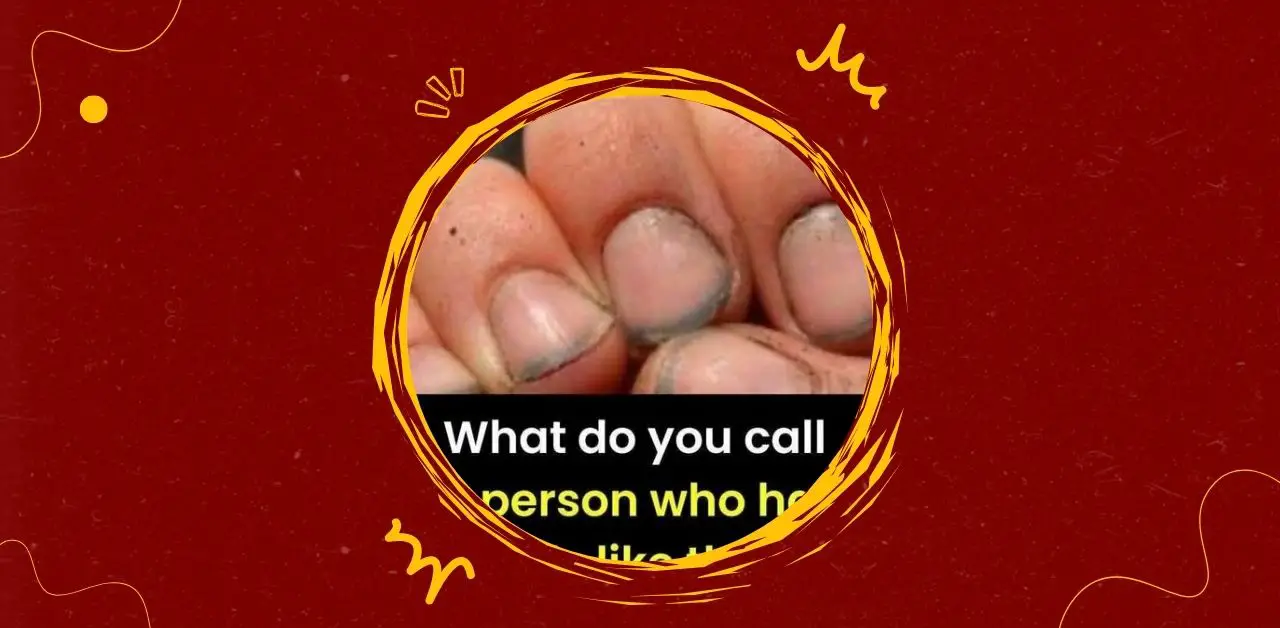
Fingernails often serve as subtle indicators of lifestyle, occupation, and personal habits. While clean, polished nails are commonly associated with refinement and hygiene, dirty or rough nails tell a different story—one that is often overlooked or misinterpreted. Rather than being a simple sign of neglect, nails caked with grime can reveal a life of labor, creativity, or resilience.
The Practical Reality
Dirty fingernails are most often the result of manual work. Farmers, mechanics, gardeners, and construction workers routinely find soil, grease, or dust lodged beneath their nails. This is not a reflection of poor hygiene but rather a natural consequence of engaging with the physical world. In fact, such nails can be seen as a badge of honor, symbolizing effort, productivity, and tangible contribution.
Cultural Perceptions
Across societies, nails have long been markers of class and occupation. In aristocratic traditions, soft hands and manicured nails were signs of privilege, while rough, dirty nails indicated hard labor. Today, these associations persist subtly: polished nails may be linked to professionalism, while dirty nails are sometimes unfairly judged as careless. Yet, in many communities, they are respected as evidence of honest work.
Symbolism and Identity
Dirty fingernails can symbolize authenticity. They suggest someone who is not afraid to get their hands dirty—literally and figuratively. In creative fields like pottery, painting, or gardening, nails often bear the marks of the craft. These imperfections become part of the identity of the maker, telling a story of dedication and passion.
Hygiene vs. Reality
Of course, hygiene remains important. Regular cleaning of nails prevents infections and maintains health. But the presence of dirt does not always mean neglect—it may simply mean the person has just finished a task that required full immersion in the material world. The balance lies in recognizing the difference between temporary dirt from work and chronic neglect of personal care.
Reframing the Question
So, what do you call a person with nails like that?
- A worker, who shapes the world with their hands.
- A creator, whose craft leaves traces on their body.
- A survivor, who embraces effort over appearances.
- A human, whose nails reflect the reality of living, working, and striving.
Conclusion
Dirty fingernails are not merely a cosmetic detail; they are a narrative. They tell of soil tilled, engines repaired, art molded, and lives lived with effort. Instead of being dismissed as unattractive, they can be reframed as emblems of resilience, authenticity, and contribution. In the end, nails—clean or dirty—are just one small window into the larger story of a person’s life.