
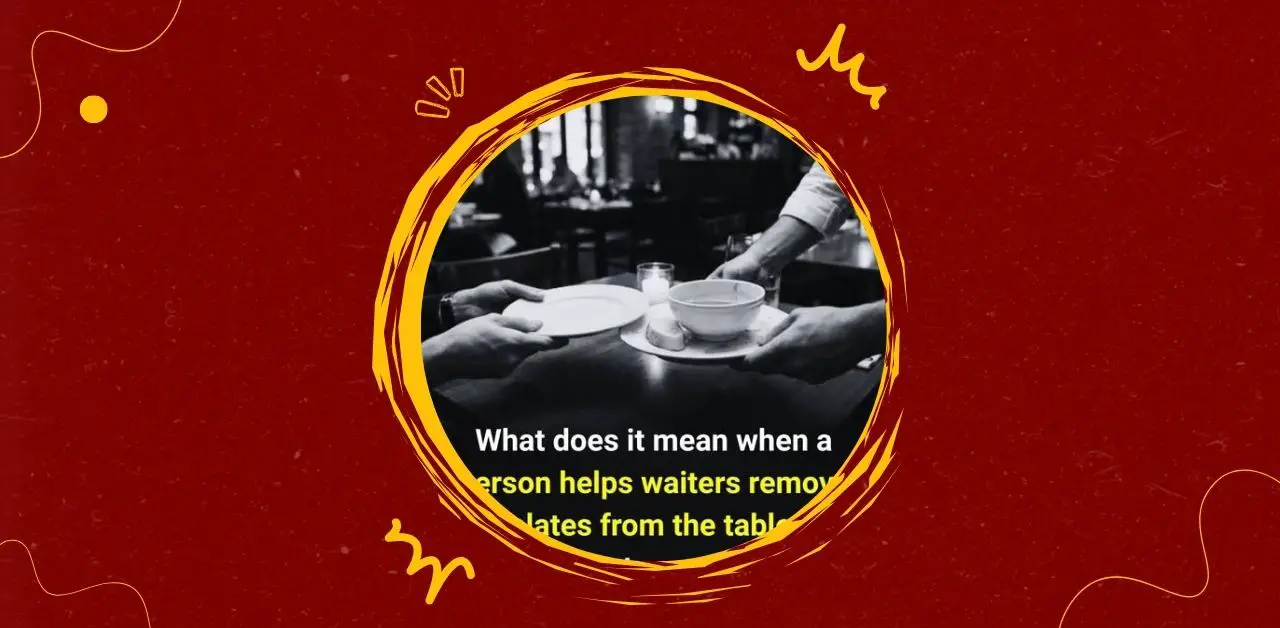
At first glance, the simple act of handing plates to a waiter or helping clear the table may seem like nothing more than a polite gesture. Yet psychology reveals that such behavior can carry deeper meaning. It reflects personality traits, social awareness, and even cultural conditioning. Understanding why people do this sheds light on human interaction, empathy, and the subtle ways we express ourselves in everyday life.
A Sign of Empathy and Cooperation
Helping a waiter by passing plates or stacking dishes often signals empathy. The individual recognizes that the waiter’s job involves repetitive, sometimes physically demanding tasks, and they instinctively offer assistance. This small act of cooperation demonstrates an awareness of another person’s workload and a willingness to ease it. Psychologists often link such behavior to prosocial tendencies—actions intended to benefit others without expectation of reward.
Respect for Service Roles
In many cultures, assisting service staff is viewed as a gesture of respect. It shows that the diner does not see themselves as “above” the waiter but rather as part of a shared social environment. This behavior can reflect humility and egalitarian values, where the individual acknowledges the dignity of all roles in society.
Personality Traits at Play
Psychology suggests that people who engage in these small acts of helpfulness often score higher in traits such as agreeableness and conscientiousness. Agreeable individuals are more inclined toward kindness and cooperation, while conscientious individuals value order and responsibility. Helping clear the table may be a natural extension of these traits, manifesting in everyday interactions.
Social Conditioning and Learned Behavior
For some, this habit stems from upbringing. Families that emphasize tidiness, respect, or teamwork often instill behaviors like clearing plates, even outside the home. When these individuals dine at restaurants, they carry over the same instinct, treating the waiter as part of the communal effort to maintain order.
The Desire for Positive Social Connection
Another psychological angle is the desire to create a positive social bond. By helping the waiter, the diner subtly communicates friendliness and appreciation. This can lead to warmer interactions, better service, and a more pleasant dining experience overall. Humans are wired to seek connection, and small gestures like this can reinforce social harmony.
Possible Misinterpretations
Interestingly, not all waiters interpret this gesture the same way. Some may appreciate the help, while others may see it as interference with their workflow. Psychology acknowledges that context matters—what is perceived as kindness in one setting may be seen as unnecessary in another. This highlights the importance of social awareness and adaptability.
Conclusion
Helping a waiter clear the table is more than just a practical action—it is a reflection of empathy, respect, personality, and social conditioning. Psychology reveals that such gestures often stem from prosocial tendencies and a desire to connect positively with others. While interpretations may vary, the underlying motivation is usually rooted in kindness and cooperation. In essence, this small act speaks volumes about how individuals view themselves in relation to others, and how they choose to express care in everyday life.