
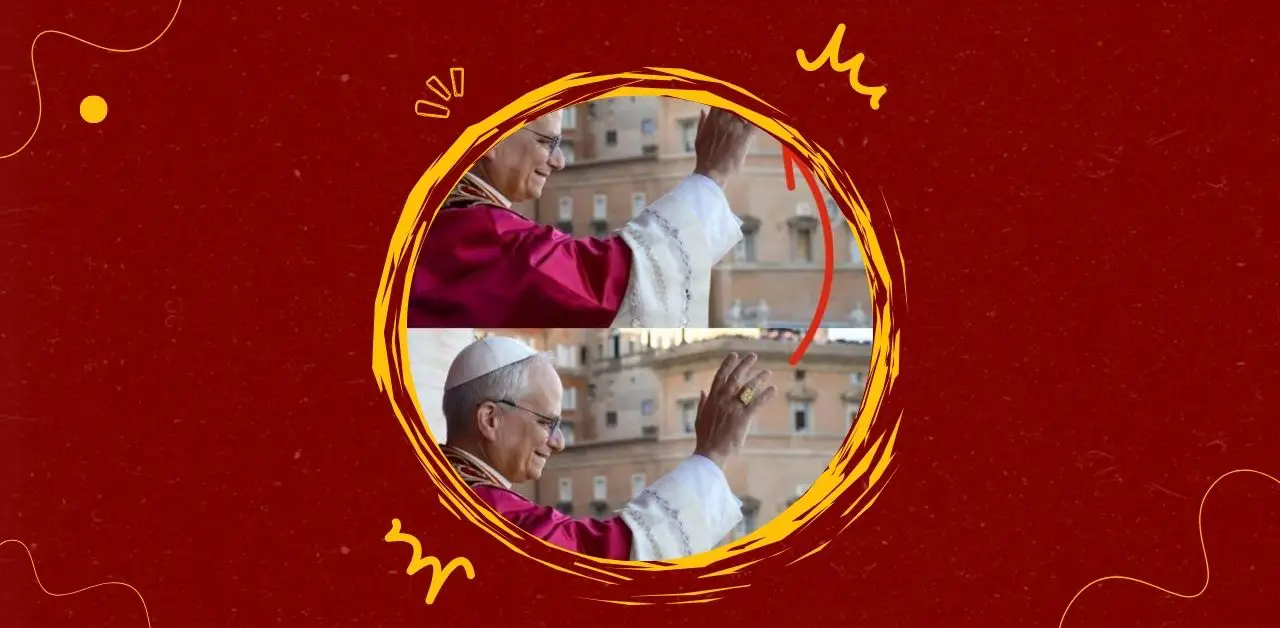
When a new Pope is elected, much attention is given to his attire, gestures, and symbols. Among these, the ring he wears often sparks curiosity. Known as the “Ring of the Fisherman” or Anulus Piscatoris, this piece of jewelry is not simply decoration—it carries centuries of tradition, meaning, and authority. Yet, beyond its obvious religious symbolism, there are subtle aspects that many people don’t notice.
Historical Background
The Ring of the Fisherman dates back to the 13th century. It symbolizes Saint Peter, the first Pope, who was a fisherman before becoming a disciple of Jesus. The ring traditionally depicts Peter casting his net, reminding the Pope of his role as a “fisher of men.” Historically, the ring was used to seal official papal documents with wax, marking them with authenticity and authority.
Symbolism of the Ring
- Authority and Leadership
- The ring represents the Pope’s spiritual authority over the Catholic Church.
- It is a visible sign of his role as the successor of Saint Peter.
- Unity and Continuity
- Each Pope receives a new ring, but the tradition links him to centuries of predecessors.
- It symbolizes continuity of faith and leadership across generations.
- Humility and Service
- Though ornate, the ring is not meant to be a symbol of wealth.
- It reminds the Pope of his duty to serve, not to rule in worldly terms.
What Many People Don’t See
While most notice the ring’s gold or ornate design, there are deeper details often overlooked:
- Unique Design for Each Pope: Every Pope’s ring is custom-made, with slight variations in design. This makes each one unique, yet still tied to tradition.
- Ceremonial Role: At the end of a Pope’s service (whether through death or resignation), the ring is destroyed. This act symbolizes the end of his authority and prevents misuse.
- Gesture of Reverence: Traditionally, faithful Catholics would kiss the Pope’s ring as a sign of respect. Today, this practice is less common, but the symbolism remains.
- Hidden Meaning in Simplicity: Some modern Popes have chosen simpler designs, reflecting humility and a shift away from grandeur. This subtle choice speaks volumes about their vision of leadership.
Cultural and Emotional Impact
The Pope’s ring is more than jewelry—it is a powerful emblem of faith, continuity, and responsibility. For believers, it represents a direct link to Saint Peter and the foundations of the Church. For observers, it is a reminder of how symbols carry meaning across centuries.
The act of wearing the ring is not about personal adornment but about embodying a role that transcends the individual. It is a reminder that the Pope is not just a man but a spiritual leader entrusted with guiding millions.
Conclusion
The Pope’s ring is a fascinating blend of history, symbolism, and tradition. While many see only its outward beauty, the deeper meaning lies in its connection to Saint Peter, its role in papal authority, and the humility it represents. The fact that each ring is destroyed at the end of a papacy underscores its sacred purpose—it belongs not to the man but to the office.
So when you look at the Pope’s ring, remember: it is not just gold and design. It is a centuries-old symbol of faith, service, and continuity, carrying a message that many overlook but that remains central to the identity of the Catholic Church.