
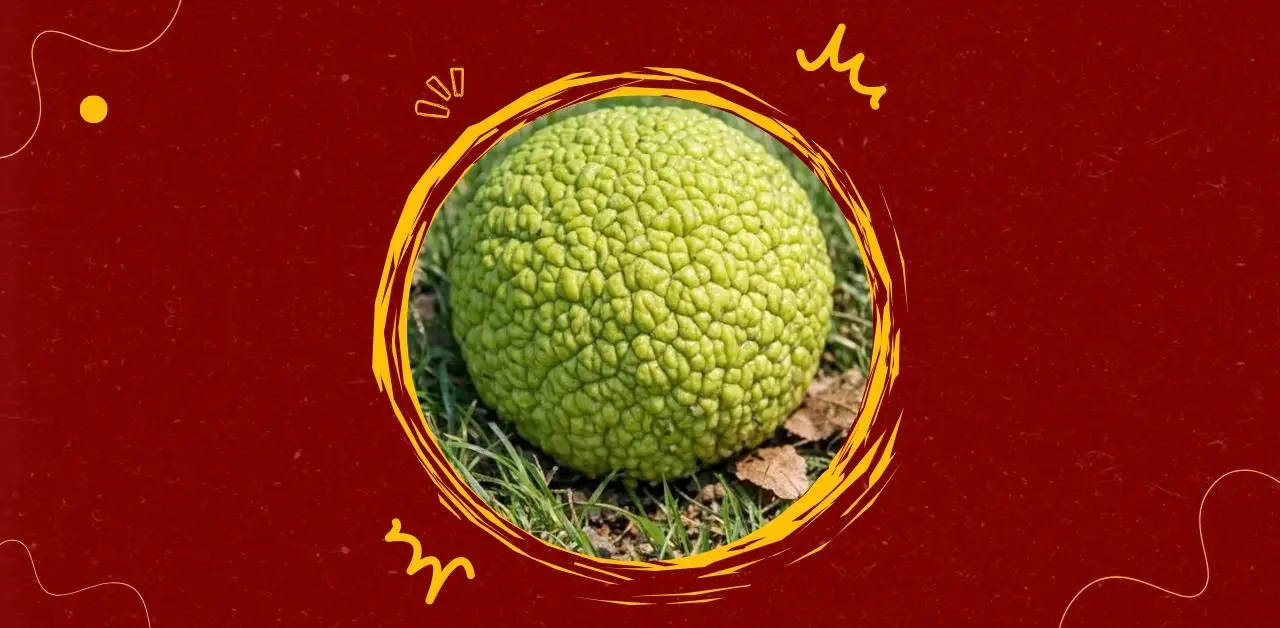
Walking under certain trees in late summer or autumn, you may stumble upon a strange, bright green ball lying on the ground. Its surface is deeply wrinkled, bumpy, and sticky to the touch, resembling the convolutions of a human brain. This unusual fruit is known as the Osage orange (Maclura pomifera), also called hedge apple, horse apple, or brain fruit. Though it looks peculiar, it has a fascinating history and a variety of uses.
What Is the Osage Orange?
The Osage orange tree is native to parts of the United States, particularly the Midwest. It was widely planted in the 19th century as a natural fence line before barbed wire became common. The tree is hardy, with strong, rot-resistant wood and thorny branches that made it ideal for hedgerows. Its fruit, however, is what captures attention—large, green, and textured like no other.
- Appearance: Round, 4–6 inches in diameter, with a bright green, bumpy surface.
- Texture: Sticky due to milky latex sap inside.
- Season: Fruits drop in late summer and autumn.
Is It Edible?
Despite being called an “orange,” the fruit is not edible for humans. It has a bitter taste and contains sticky latex that can irritate the skin. Most animals avoid it, though squirrels sometimes eat the seeds inside.
Traditional and Folklore Uses
The Osage orange fruit has long been surrounded by folklore:
- Insect repellent: People place hedge apples in basements, closets, or around homes, believing they repel spiders and insects. While scientific evidence is limited, the fruit does contain compounds with mild insect-repelling properties.
- Decorative use: Its unusual look makes it popular for autumn displays and natural decorations.
- Wood value: The tree’s wood is extremely strong and rot-resistant, historically used for fence posts, tool handles, and bows. Native Americans prized it for making durable hunting bows.
Why Does It Look Like a Brain?
The fruit’s convoluted surface comes from tightly packed clusters of seed-bearing structures. This unique pattern gives it the “brain-like” appearance that makes it so striking when found under trees.
Safety and Handling
- Safe to touch: The fruit is not harmful to handle, though sticky sap may irritate sensitive skin.
- Not for eating: Avoid consuming the fruit—it is not toxic in small amounts but unpleasant and potentially irritating.
- Storage: If used indoors for decoration, place on a tray or newspaper to avoid sticky residue.
Conclusion
The Osage orange, or hedge apple, is one of nature’s curiosities—a fruit that looks like a brain, feels sticky, and sparks curiosity wherever it’s found. While not edible, it has cultural, decorative, and historical significance. Its tree provided essential resources for early settlers and Native Americans, and its fruit continues to intrigue people today.
Finding one under a tree is like discovering a piece of living history, a reminder of how plants can be both practical and mysterious. Whether admired for its odd beauty, used in folklore traditions, or simply observed as part of nature’s diversity, the Osage orange remains a fascinating part of the landscape.