
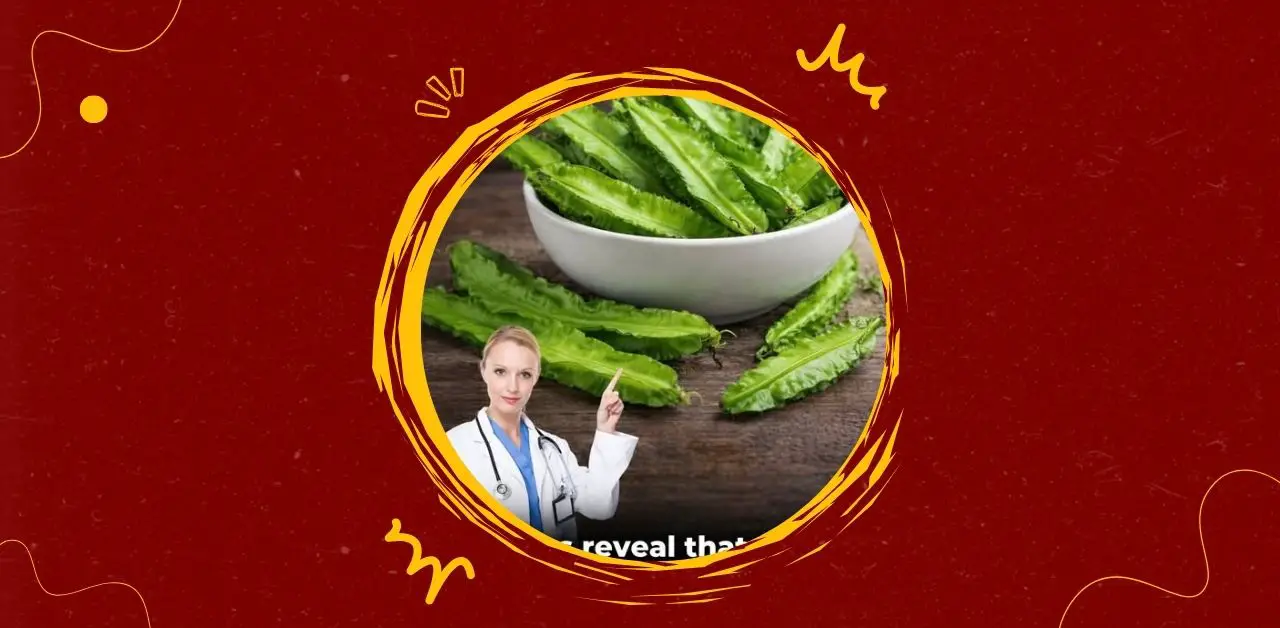
Winged beans, also known as Psophocarpus tetragonolobus, are a unique and versatile vegetable celebrated for their distinctive four-winged shape and vibrant green color. While they may not be as widely recognized as other legumes, winged beans are gaining attention for their impressive nutritional profile and culinary adaptability. From their crunchy pods to their edible leaves, flowers, and even roots, nearly every part of the plant can be consumed, making them a valuable addition to a balanced diet.
Nutritional Benefits
Winged beans are often described as a “complete food” because they provide a wide range of nutrients:
- Protein-rich: The pods and seeds contain high levels of protein, making them an excellent plant-based option for those seeking alternatives to meat.
- Vitamins and minerals: They are packed with vitamin A, vitamin C, calcium, iron, and magnesium, all of which support overall health.
- Fiber content: The beans are rich in dietary fiber, aiding digestion and promoting a healthy gut.
- Antioxidants: Their vibrant green color reflects the presence of antioxidants that help protect the body from oxidative stress.
Culinary Uses
Winged beans are versatile in the kitchen and can be prepared in numerous ways:
- Stir-fried: Their crisp texture makes them ideal for quick stir-fries with garlic and spices.
- Boiled or steamed: They can be lightly cooked and added to salads for a refreshing crunch.
- Soups and stews: Winged beans absorb flavors well, making them a great addition to broths and curries.
- Leaves and flowers: The tender leaves can be cooked like spinach, while the flowers add color and mild flavor to dishes.
- Roots: The tuberous roots are edible and can be roasted or boiled, offering a nutty taste.
Health Impact
Regular consumption of winged beans can contribute to overall wellness:
- Supports bone health: Calcium and magnesium strengthen bones and teeth.
- Boosts immunity: Vitamin C enhances the body’s defense against infections.
- Improves digestion: Fiber helps regulate bowel movements and supports gut health.
- Promotes energy: Iron content aids in the production of red blood cells, reducing fatigue.
- Encourages healthy skin and vision: Vitamin A supports eye health and skin regeneration.
Growing Popularity
Winged beans are increasingly recognized as a sustainable crop. They thrive in tropical climates, require minimal care, and enrich the soil with nitrogen, making them beneficial for farming communities. Their ability to provide nutrition from multiple parts of the plant makes them a valuable resource in regions where food diversity is limited.
Conclusion
Winged beans are more than just a curious-looking vegetable—they are a nutritional powerhouse with benefits that extend from the kitchen to overall health. Their high protein content, abundance of vitamins and minerals, and versatility in cooking make them a worthy addition to any diet. Whether stir-fried, steamed, or added to soups, winged beans offer both flavor and nourishment.
By embracing winged beans, we not only enjoy a delicious and unique food but also support sustainable agriculture and healthier living.