
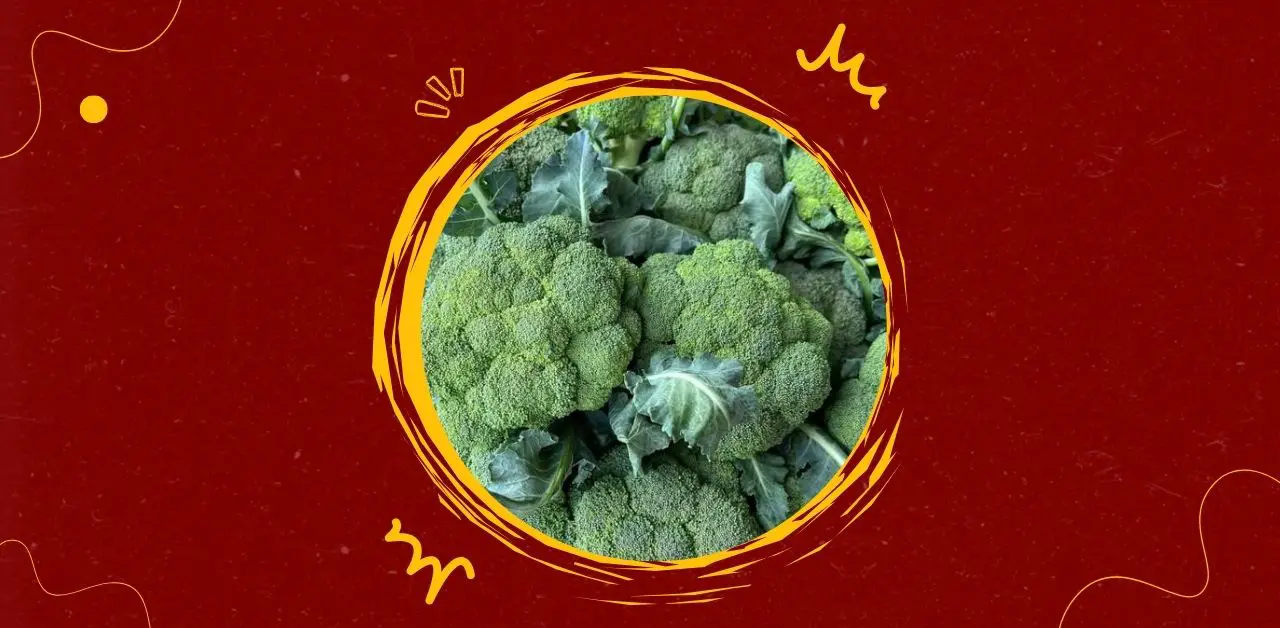
Broccoli is one of the most celebrated vegetables in the world, known not only for its vibrant green appearance but also for its remarkable nutritional profile. Often referred to as a “superfood,” broccoli offers a wide range of health benefits, making it a staple in kitchens and diets across cultures. Its dense florets, sturdy stalks, and leafy greens are packed with vitamins, minerals, and antioxidants that support overall wellness.
Nutritional Value
Broccoli is rich in essential nutrients that contribute to a balanced diet. It contains:
- Vitamin C: Supports immune health and skin vitality.
- Vitamin K: Important for bone strength and blood clotting.
- Fiber: Promotes digestive health and helps maintain satiety.
- Folate: Essential for cell growth and repair.
- Potassium: Helps regulate blood pressure and muscle function.
- Antioxidants: Compounds like sulforaphane protect cells from oxidative stress.
This combination makes broccoli a powerhouse for maintaining energy, supporting the immune system, and protecting long-term health.
Health Benefits
- Supports Immunity: The high vitamin C content strengthens the body’s defenses against illness.
- Promotes Heart Health: Fiber and antioxidants help reduce cholesterol and support cardiovascular function.
- Aids Digestion: Its fiber content encourages healthy bowel movements and gut balance.
- Bone Strength: Vitamin K and calcium contribute to strong bones and joints.
- Cancer Prevention Potential: Compounds like sulforaphane are studied for their protective effects against certain cancers.
Culinary Versatility
Broccoli is not only nutritious but also highly versatile in cooking. It can be enjoyed raw in salads, lightly steamed to preserve nutrients, roasted for a caramelized flavor, or blended into soups and smoothies. Its mild taste pairs well with garlic, lemon, olive oil, and cheese, making it adaptable to both simple and elaborate dishes.
Cultural Presence
Across the globe, broccoli has found its place in diverse cuisines. In Italian cooking, it is often sautéed with olive oil and garlic. In Asian cuisine, it is stir-fried with soy sauce and ginger. In Western diets, it frequently appears as a side dish, roasted or steamed. This adaptability has helped broccoli become a universal symbol of healthy eating.
Practical Tips
- Storage: Keep broccoli in the refrigerator, ideally in a breathable bag, to maintain freshness.
- Preparation: Wash thoroughly before use to remove any dirt or residue.
- Cooking: Light steaming preserves the most nutrients, while roasting enhances flavor.
- Serving Size: A cup of cooked broccoli provides a significant portion of daily vitamin needs.
Conclusion
Broccoli is more than just a vegetable—it is a nutritional ally that supports health in countless ways. Its combination of vitamins, minerals, fiber, and antioxidants makes it a cornerstone of balanced eating. Whether enjoyed raw, cooked, or blended into creative recipes, broccoli offers both flavor and function.
By incorporating broccoli into daily meals, one embraces a simple yet powerful step toward better health. It is a reminder that nature provides us with foods that are not only delicious but also deeply nourishing, helping us thrive in body and mind.