
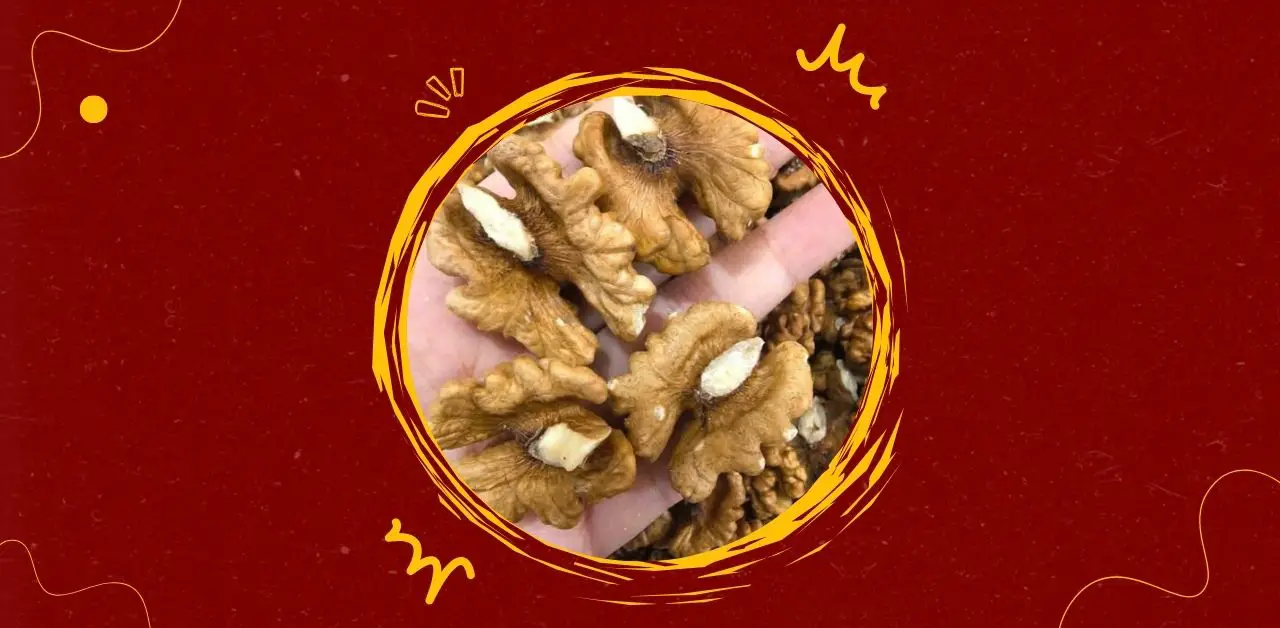
Walnuts are among the most celebrated nuts in the world, prized not only for their distinctive flavor but also for their impressive nutritional profile. Recognizable by their ridged, brain-like shape, walnuts have been cultivated and consumed for thousands of years across diverse cultures. Today, they remain a staple ingredient in kitchens and a symbol of health and longevity.
Nutritional Benefits
Walnuts are rich in essential nutrients that contribute to overall well-being. They are an excellent source of healthy fats, particularly omega-3 fatty acids, which support heart health and brain function. In addition, walnuts provide protein, fiber, vitamins, and minerals such as magnesium, phosphorus, and manganese. Their antioxidant content, including vitamin E and polyphenols, helps protect the body from oxidative stress, which is linked to aging and chronic diseases.
Regular consumption of walnuts has been associated with improved cardiovascular health, better cognitive performance, and reduced inflammation. Their balance of healthy fats and protein also makes them a satisfying snack that can help regulate appetite and support weight management when eaten in moderation.
Culinary Uses
Walnuts are incredibly versatile in cooking and baking. They can be enjoyed raw, roasted, or incorporated into both sweet and savory dishes. In baking, walnuts add crunch and depth to cakes, cookies, and breads. In savory recipes, they complement salads, pasta, and grain-based dishes. Walnut oil, extracted from the nut, is valued for its delicate flavor and is often used in dressings or drizzled over finished dishes.
One of the most appealing qualities of walnuts is their ability to enhance texture and flavor. Their slightly bitter undertone pairs beautifully with sweet ingredients like honey or dates, while their crunch contrasts with soft foods like yogurt or cheese.
Cultural Significance
Walnuts have held symbolic meaning in many cultures. In ancient times, they were considered a food of the gods and associated with fertility and wisdom. Their resemblance to the human brain has often led to symbolic connections with intelligence and mental clarity. In traditional medicine, walnuts were used to support digestion, strengthen the body, and promote longevity.
Even today, walnuts are featured prominently in holiday dishes and festive traditions around the world. They are often included in celebratory meals, symbolizing prosperity and abundance.
Practical Considerations
When storing walnuts, it is important to keep them in a cool, dry place, as their high oil content makes them prone to rancidity. Refrigeration or freezing extends their shelf life while preserving flavor and nutritional value. Shelled walnuts should be consumed within a few months, while unshelled walnuts last longer due to their protective casing.
Final Thought
Walnuts are far more than a simple snack. They are a nutrient-dense food that supports health, a versatile ingredient that elevates countless recipes, and a cultural symbol with deep historical roots. Incorporating walnuts into your diet is a delicious way to enjoy their benefits while connecting with a tradition that spans centuries.