
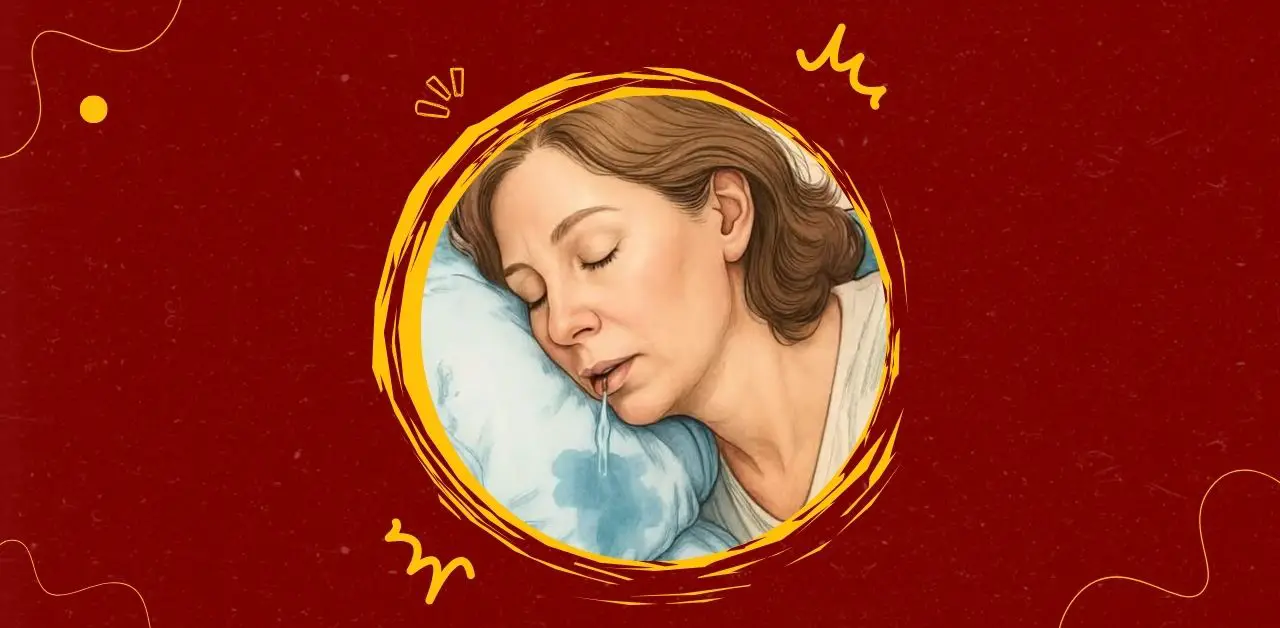
Drooling while sleeping is a common occurrence that many people experience, yet it often goes unnoticed or is brushed off as a minor inconvenience. In reality, this natural phenomenon reveals much about the body’s relaxation, sleep cycles, and overall health. Far from being unusual, drooling is a sign that the body is deeply at rest, and it can even provide clues about hydration, posture, and breathing patterns.
Why Drooling Happens
Drooling occurs when saliva escapes from the mouth during sleep. Normally, the body produces saliva to aid digestion, keep the mouth moist, and protect teeth and gums. During waking hours, swallowing is frequent, which keeps saliva under control. However, when asleep, the muscles in the face and throat relax, swallowing slows down, and saliva may pool in the mouth. If the mouth is slightly open or the head is tilted to the side, gravity allows saliva to escape, resulting in drooling.
Connection to Sleep Stages
Drooling is most common during deep sleep stages, particularly when the body reaches restorative phases. In these stages, muscles are at their most relaxed, breathing is steady, and the nervous system is calm. This relaxation makes it easier for saliva to escape. In fact, drooling can be seen as a subtle indicator that the body has entered a restful, restorative state.
Factors That Influence Drooling
Several factors can increase the likelihood of drooling during sleep:
- Sleeping Position: Side sleepers and stomach sleepers are more prone to drooling because gravity pulls saliva downward. Back sleepers tend to drool less since saliva remains in the throat and is swallowed more easily.
- Mouth Breathing: Breathing through the mouth, often due to nasal congestion or habit, can dry out the mouth and cause saliva to escape.
- Hydration Levels: Dehydration can thicken saliva, making it more noticeable when it escapes.
- Relaxation of Muscles: Natural relaxation during deep sleep or certain medications that relax muscles can increase drooling.
- Health Conditions: While usually harmless, excessive drooling can sometimes be linked to allergies, sinus issues, or neurological conditions.
Social and Psychological Perceptions
Despite being natural, drooling is often viewed with embarrassment. People may feel self-conscious if they wake up to find their pillow damp. However, it is important to recognize that drooling is not a flaw but a normal bodily function. In fact, it can be reframed as a sign of deep rest and relaxation.
Practical Tips for Managing Drooling
For those who wish to minimize drooling, small adjustments can help:
- Try sleeping on your back to reduce saliva escape.
- Stay hydrated throughout the day to keep saliva thin and manageable.
- Address nasal congestion with safe remedies to encourage nose breathing.
- Practice good oral hygiene to ensure saliva production remains balanced.
Conclusion
Drooling during sleep is a natural, common occurrence that reflects the body’s deep relaxation and restorative processes. While it may be seen as inconvenient or embarrassing, it is often a harmless sign of healthy sleep. Understanding why it happens can help normalize the experience and even encourage people to appreciate it as a subtle indicator of restfulness.
Rather than viewing drooling as something to hide, it can be embraced as part of the human body’s natural rhythm. It reminds us that sleep is not just about closing our eyes—it is about allowing the body to fully relax, restore, and function in its most natural state.