
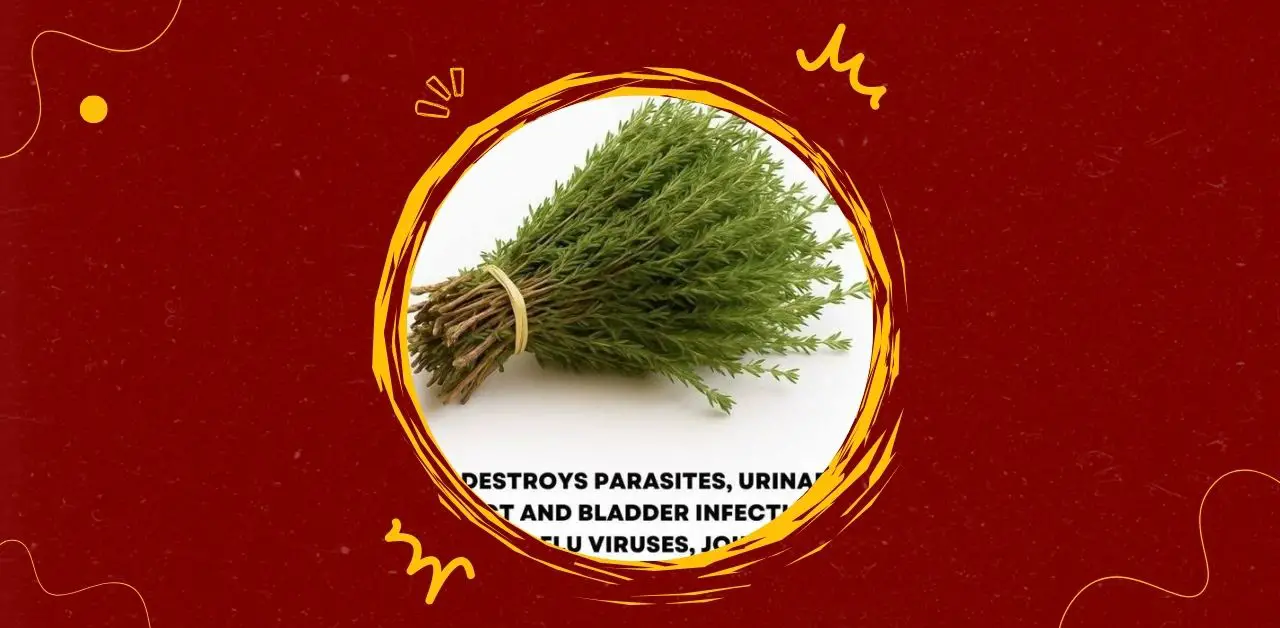
Throughout history, certain plants have been celebrated for their ability to fight parasites, bacteria, and viruses. While modern medicine remains the most reliable treatment for serious infections, these plants are often used in traditional remedies and wellness practices to support the body’s defenses. Their natural compounds—antimicrobial, antifungal, and antiviral—make them valuable allies in maintaining health.
Garlic (Allium sativum)
Garlic is one of the most studied plants for its antimicrobial properties. Its active compound, allicin, has been shown to inhibit parasites, bacteria, and even some viruses. Traditionally, garlic has been used to treat intestinal worms, urinary tract infections, and respiratory illnesses. Its strong sulfur compounds help cleanse the body and boost immunity.
Wormwood (Artemisia absinthium)
Wormwood has long been used in herbal medicine for intestinal parasites. Its bitter compounds help expel worms and other parasites from the digestive tract. A related species, Artemisia annua, is the source of artemisinin, a powerful antimalarial drug. Wormwood is often combined with other herbs for cleansing remedies.
Clove (Syzygium aromaticum)
Cloves contain eugenol, a compound with antifungal and antibacterial effects. They have been used to fight digestive parasites, reduce candida overgrowth, and ease tooth infections. Clove oil is particularly potent, though it must be used carefully due to its strength.
Licorice Root (Glycyrrhiza glabra)
Licorice root has antiviral properties, especially against herpes simplex virus. It also soothes inflammation and supports the immune system. In traditional medicine, it has been used for respiratory infections, digestive issues, and skin conditions.
Ginger (Zingiber officinale)
Ginger is widely known for its anti-inflammatory and antimicrobial effects. It helps fight flu viruses, supports digestion, and reduces joint pain. Its warming nature improves circulation, making it a supportive herb for overall wellness.
Neem (Azadirachta indica)
Neem is considered a powerful antiparasitic and antifungal plant in traditional medicine. It has been used to treat skin infections, digestive parasites, and urinary tract issues. Neem leaves and oil are often applied externally for cleansing and protection.
How These Plants Work
- Antimicrobial compounds: Natural chemicals like allicin, eugenol, and glycyrrhizin attack harmful microbes.
- Immune support: Many of these herbs stimulate the body’s defenses, helping it fight infections more effectively.
- Cleansing action: Bitter and aromatic compounds help detoxify the digestive system and reduce parasite activity.
Important Notes
- These plants can support health but should not replace medical treatment for serious infections.
- Dosage and preparation matter—too much can cause side effects.
- Always consult a professional before using strong herbs like wormwood or neem.
- They are best used as part of a balanced lifestyle that includes good nutrition, hygiene, and medical care when needed.
Conclusion
Garlic, wormwood, clove, licorice root, ginger, and neem are among the most powerful plants traditionally used to combat parasites, urinary tract infections, herpes, flu viruses, and fungal conditions like candida. Their natural compounds make them valuable in wellness practices, offering both cleansing and immune support. While they are not miracle cures, they remain important allies in holistic health, bridging ancient wisdom with modern understanding.