
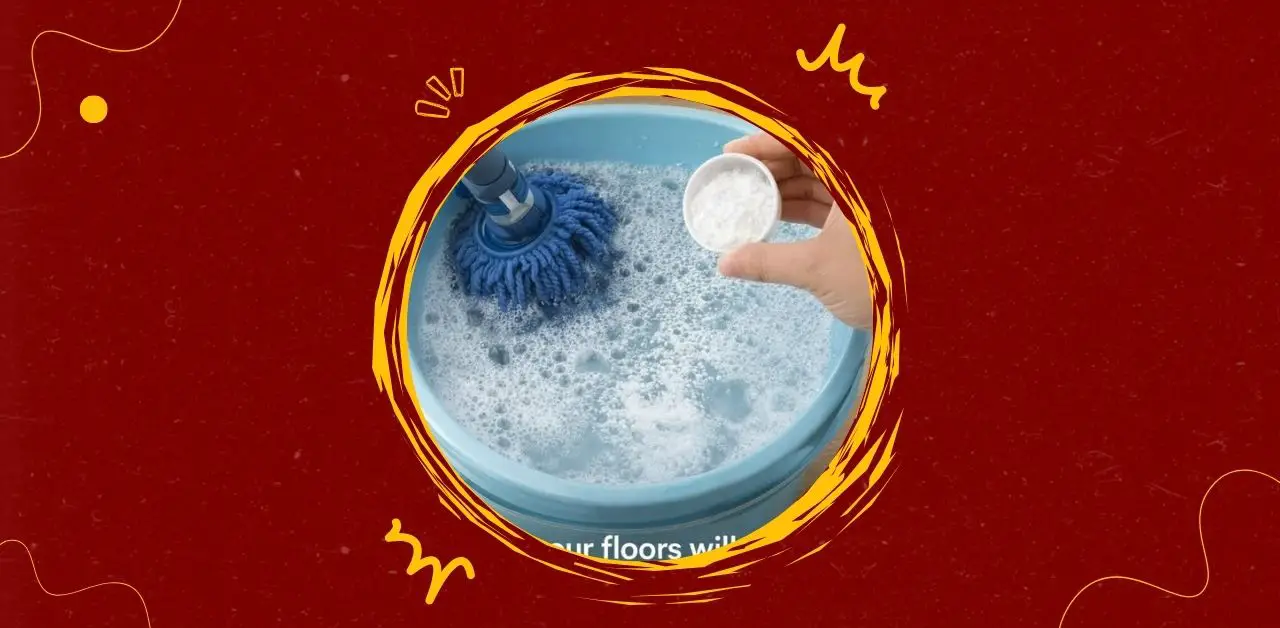
Keeping floors clean can feel like a never-ending chore, especially in busy households. While regular mopping removes dirt, some simple additions to mop water can extend freshness and help prevent grime from building up too quickly. This article explores safe, practical options you can add to your mop bucket to boost cleaning power.
Common Additions to Mop Water
- Baking Soda
- Neutralizes odors and gently lifts dirt.
- Safe for most surfaces, especially tiles and vinyl.
- White Vinegar
- Cuts through grease and soap scum.
- Leaves a streak-free shine on ceramic and laminate floors.
- Avoid on natural stone (like marble or granite).
- Essential Oils (like tea tree or lemon)
- Provide a fresh scent.
- Tea tree oil has mild antimicrobial properties.
- Mild Dish Soap
- Helps break down sticky residues.
- Use sparingly to avoid leaving a film.
How to Use Safely
- Fill your mop bucket with warm water.
- Add 1–2 tablespoons of baking soda or ½ cup vinegar depending on your floor type.
- For fragrance, add 2–3 drops of essential oil.
- Mop as usual, wringing out excess water to avoid soaking floors.
- Allow floors to air dry for a streak-free finish.
Notes
- Always check your floor type before using vinegar or strong cleaners.
- Test a small area first to ensure no discoloration.
- Avoid mixing vinegar and baking soda directly in the bucket—they neutralize each other.
- For wood floors, stick to mild soap and water; avoid acidic solutions.
Conclusion
Adding simple, safe ingredients like baking soda or vinegar to mop water can help floors stay cleaner for longer, reduce odors, and leave a fresh finish. It’s a cost-effective, eco-friendly way to upgrade your cleaning routine without harsh chemicals.