
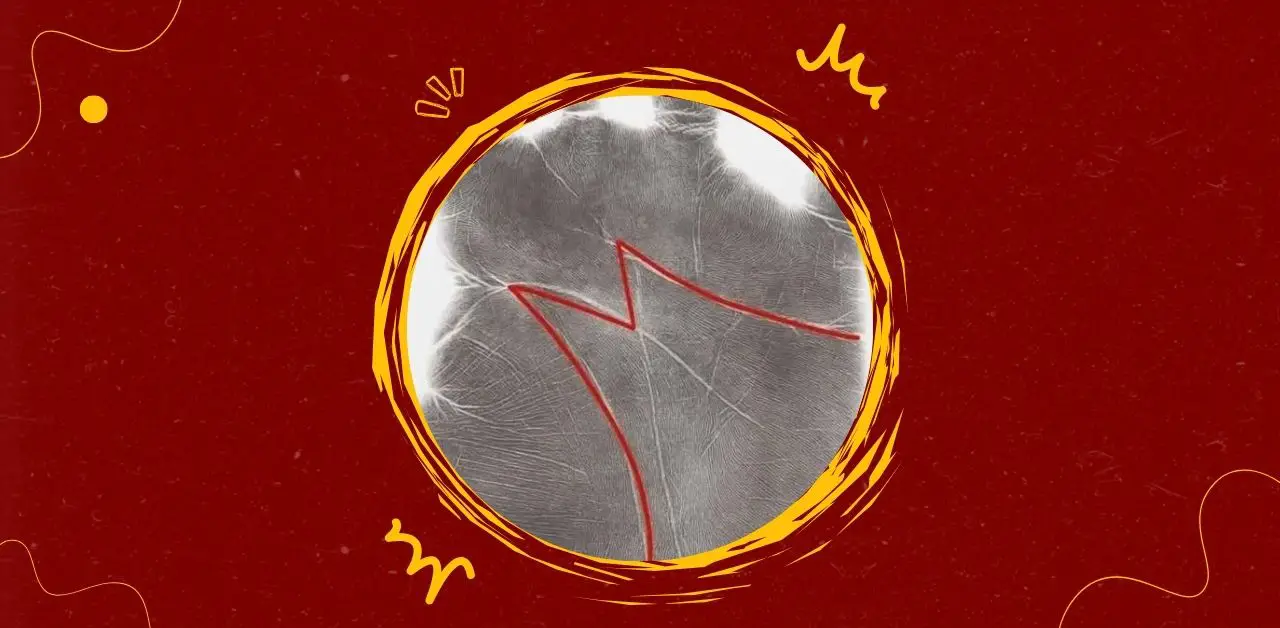
Palmistry, also known as chiromancy, is the ancient practice of interpreting the lines and shapes of the hand to gain insights into personality, tendencies, and life patterns. While it is not a science, many cultures have used palm reading as a symbolic way to understand human nature. The lines on the palm—formed naturally by folds in the skin—are often associated with different aspects of life, such as love, health, and destiny.
The Major Lines
- Heart Line
- Found near the top of the palm, running horizontally under the fingers.
- Traditionally associated with emotions, relationships, and matters of the heart.
- A deep, clear line is said to indicate strong emotional clarity, while a broken or faint line may suggest challenges in expressing feelings.
- Head Line
- Runs horizontally across the middle of the palm.
- Linked to intellect, decision-making, and communication.
- A straight line is often interpreted as practical thinking, while a curved line may suggest creativity and intuition.
- Life Line
- Curves around the base of the thumb, forming a semicircle.
- Commonly thought to represent vitality and life energy, not necessarily lifespan.
- A long, deep line is said to symbolize resilience, while a shorter or fragmented line may suggest periods of change.
- Fate Line (optional, not present in all palms)
- Runs vertically from the base of the palm toward the middle finger.
- Associated with career, destiny, and life path.
- A strong fate line may indicate a clear sense of purpose, while a faint or absent line suggests flexibility in life direction.
Interpreting Variations
- Breaks in Lines: Often seen as turning points or changes in life.
- Crosses or Marks: May symbolize challenges or significant events.
- Depth and Clarity: Deep lines are thought to show strong traits, while faint lines suggest subtle influences.
Beyond the Lines
Palmistry also considers:
- Mounts (raised areas of the palm): Each mount is linked to planetary influences, such as Venus (love), Jupiter (ambition), or Mercury (communication).
- Finger Shapes: Long fingers may suggest analytical tendencies, while shorter fingers are often linked to practicality.
- Thumb Position: A flexible thumb is said to indicate adaptability, while a rigid thumb suggests determination.
Cultural and Symbolic Value
Palmistry has been practiced in India, China, and Europe for centuries, often blending with astrology and spiritual traditions. While modern science does not support palmistry as a predictive tool, many people find meaning in the symbolism and enjoy it as a reflective practice. It can serve as a way to explore personality traits, spark conversation, or encourage self-awareness.
Conclusion
Palmistry is less about predicting the future and more about interpreting patterns that reflect personality and life tendencies. The heart, head, life, and fate lines each carry symbolic meaning, while variations in depth, clarity, and shape add nuance. Whether approached as a cultural tradition, a form of self-reflection, or simply a curiosity, palmistry offers a fascinating lens through which to explore the human hand and its stories.