
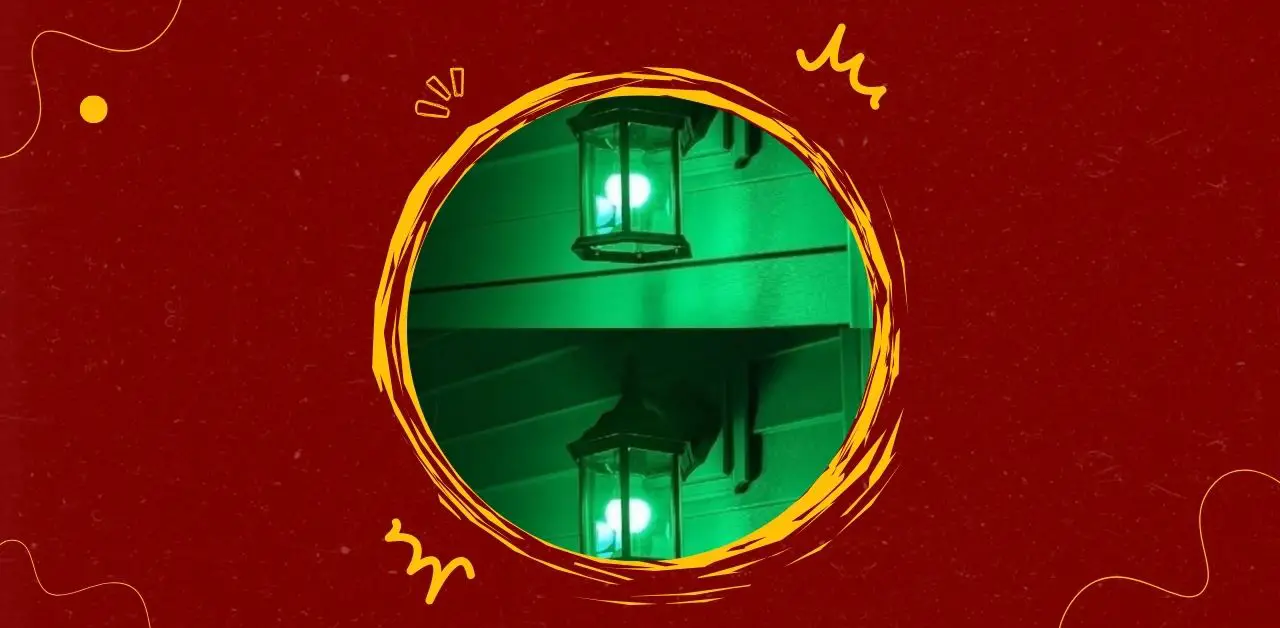
Porch lights are more than just practical fixtures for illuminating the front of a home. Over time, they’ve taken on symbolic meanings, with different colors representing causes, traditions, or personal sentiments. A green porch light, in particular, carries a powerful message that blends community awareness, remembrance, and respect.
The Symbolism of Green
Green is often associated with renewal, healing, and peace. In the context of porch lights, however, the color has taken on specific cultural and social meanings:
- Support for Veterans: A green porch light is widely recognized as part of the Greenlight a Vet campaign, launched in 2015. This initiative encouraged Americans to swap their regular porch bulb for a green one as a way of honoring U.S. veterans and showing appreciation for their service. It became a visible symbol of gratitude and solidarity.
- Remembrance: For some, a green light represents memory and respect for loved ones who have passed away, especially if they were veterans or had a strong connection to service.
- Hope and Renewal: Beyond veterans, green can symbolize healing, growth, and the continuation of life, making it a meaningful choice for someone processing grief.
Why Someone Might Choose It
If your ex-husband changed the porch light to green after his father’s passing, it may be his way of quietly honoring his father’s memory. If his father was a veteran, the symbolism is even stronger—green lights are a public yet subtle gesture of respect and remembrance. Even if not tied directly to military service, the color green can represent renewal and a tribute to life, making it a personal expression of mourning and honor.
Broader Cultural Context
Porch light colors have become a form of silent communication in neighborhoods:
- Blue lights often symbolize support for law enforcement.
- Red lights can represent heart health awareness or holiday decoration.
- Purple lights may be used to raise awareness about domestic violence.
- Green lights, as noted, are most commonly linked to veterans and remembrance.
This practice allows individuals to express solidarity or personal meaning without words, creating a shared language of light.
Emotional Dimension
Changing a porch light color can be a deeply personal act. It may not always be explained in detail, but it often carries emotional weight. In grief, people sometimes turn to symbolic gestures—like lighting candles, wearing certain colors, or changing a porch light—to feel connected to the memory of someone they’ve lost. The green light could be his way of keeping his father’s presence alive in a visible, respectful manner.
Conclusion
A green porch light is most commonly understood as a symbol of support for veterans, but it can also represent remembrance, healing, and renewal. In the context of your ex-husband’s choice, it likely serves as a tribute to his father, a way of honoring his memory and expressing respect. Porch lights, though simple, can carry profound meaning, turning everyday illumination into a quiet but powerful statement.