
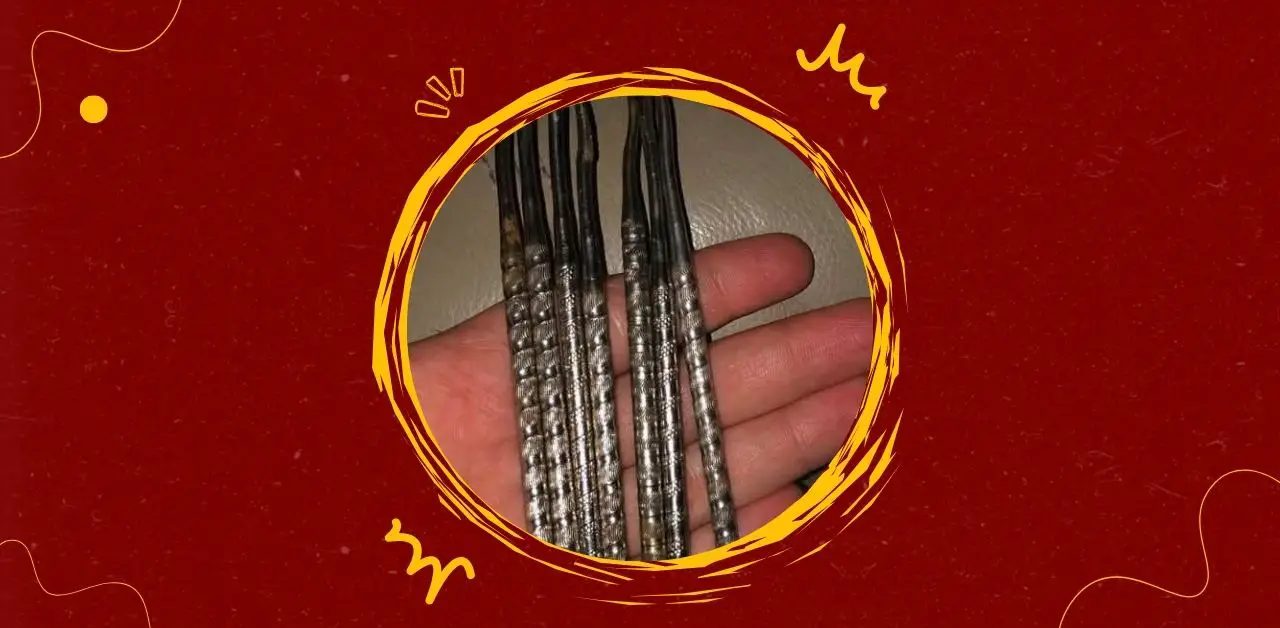
Throughout history, everyday objects have often been elevated into works of art. The ornate metallic tools pictured above exemplify this tradition. With engraved handles, tarnished surfaces, and claw-like tips, these items are more than functional instruments — they are cultural artifacts that tell stories of craftsmanship, utility, and heritage.
Origins and Craftsmanship
Metalworking has been central to human civilization for thousands of years. From the Bronze Age to the Industrial Revolution, artisans have shaped metal into tools, utensils, and decorative items. The engraved handles on these tools suggest they were handcrafted, likely by skilled artisans who combined utility with artistry. The tarnished patina indicates age and frequent use, adding authenticity and character.
Techniques Used
- Engraving: The textured patterns were likely etched by hand using chisels or burins, a method that requires precision and patience.
- Casting and Forging: The tools may have been cast in molds or forged by hammering heated metal, then refined with decorative detailing.
- Finishing: Tarnish develops naturally over time, but artisans often applied polishing or chemical treatments to highlight engravings.
Possible Uses
While their exact function is uncertain, the design of these tools suggests specialized purposes. The flattened, scoop-like tips could have been used for grooming, cleaning, or ritual practices. Some possibilities include:
- Personal Grooming: Similar to antique ear scoops or nail cleaners.
- Religious or Ritual Use: Decorative tools often played roles in ceremonies, symbolizing purity or craftsmanship.
- Household Utility: They may have served as small utensils for food preparation or medicinal applications.
Cultural Significance
Objects like these often transcend their practical roles. In many cultures, ornate tools were status symbols, reflecting wealth and artistry. They might have been gifted, passed down through generations, or used in communal rituals. Their intricate designs suggest they were valued not only for utility but also for beauty and symbolism.
Preservation and Value
Antique tools such as these are prized by collectors and historians. Their value lies in:
- Historical Insight: They reveal how people lived, groomed, and celebrated daily life.
- Artistic Merit: The engravings showcase the creativity of artisans.
- Cultural Continuity: They connect modern observers to traditions of craftsmanship and ritual.
Proper preservation involves careful cleaning without removing the natural patina, storing them in controlled environments, and documenting their provenance.
Conclusion
The ornate metallic tools represent a fascinating intersection of utility and artistry. Whether used for grooming, ritual, or household tasks, they embody the creativity and cultural richness of their makers. In studying and preserving such artifacts, we honor the traditions that shaped them and keep alive the stories they silently tell