
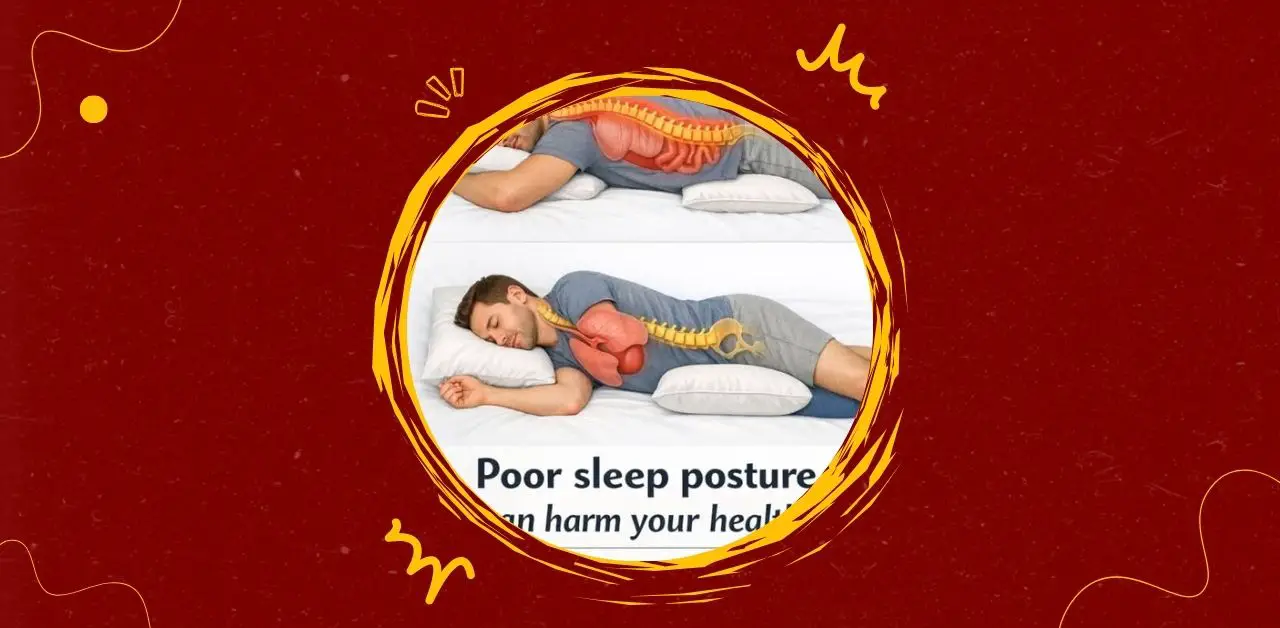
Sleep is one of the most essential aspects of overall well-being, yet many people overlook the role posture plays in the quality of rest. The way you position your body during sleep can influence spinal alignment, organ function, and even long-term comfort. Poor sleep posture may lead to aches, stiffness, and disrupted rest, while proper alignment can promote relaxation and rejuvenation. Understanding how posture affects health helps you make small adjustments that yield big benefits.
Why Sleep Posture Matters
When lying down, the body relies on support from the mattress and pillows to maintain natural alignment. If the spine curves unnaturally or pressure builds on certain joints, discomfort can arise. Over time, poor posture can contribute to back pain, neck strain, and even digestive issues. Proper posture, on the other hand, keeps the spine neutral, reduces unnecessary pressure, and allows organs to function without compression.
Common Poor Postures
- Curled or Twisted Side Sleeping: Sleeping on the side without support between the legs can cause the spine to twist, leading to lower back discomfort.
- Stomach Sleeping: This position often forces the neck into awkward angles and places strain on the lower back.
- Unsupported Back Sleeping: Lying flat without proper pillow support can leave the neck and lower back vulnerable to strain.
Health Risks of Poor Posture
- Spinal Misalignment: Over time, this can contribute to chronic back or neck pain.
- Organ Compression: Certain positions may press on internal organs, affecting digestion or breathing.
- Circulation Issues: Poor posture can restrict blood flow, leading to numbness or tingling.
- Restless Sleep: Discomfort from misalignment often results in tossing and turning, reducing sleep quality.
How to Improve Sleep Posture
- Use a Pillow Between the Legs: For side sleepers, placing a pillow between the knees keeps the hips aligned and reduces strain on the spine.
- Support the Neck: Choose a pillow that supports the natural curve of the neck. Too high or too flat can cause stiffness.
- Elevate the Knees Slightly: Back sleepers can place a small pillow under the knees to relieve pressure on the lower back.
- Avoid Stomach Sleeping: If possible, transition away from this posture, as it often leads to long-term discomfort.
- Choose the Right Mattress: A medium-firm mattress generally provides balanced support, preventing sagging or excessive pressure points.
Benefits of Proper Posture
- Reduced Pain: Proper alignment minimizes strain on muscles and joints.
- Better Breathing: With organs uncompressed, breathing becomes easier and more efficient.
- Improved Circulation: Balanced posture supports healthy blood flow throughout the body.
- Deeper Rest: Comfort and alignment encourage uninterrupted sleep cycles.
Practical Tips for Everyday Sleep Health
- Consistency Matters: Train your body to adopt healthier positions by adjusting pillows and supports nightly.
- Mindful Preparation: Stretching before bed can relax muscles, making it easier to maintain good posture.
- Evaluate Your Setup: Periodically check your mattress and pillows to ensure they still provide adequate support.
Conclusion
Sleep posture is more than just comfort—it’s a cornerstone of health. Poor alignment can lead to pain, organ compression, and restless nights, while proper posture supports the spine, improves circulation, and enhances overall rest. By making small adjustments, such as using pillows strategically and choosing supportive bedding, you can transform your sleep into a restorative experience. Ultimately, good posture at night sets the stage for better health and energy during the day.