
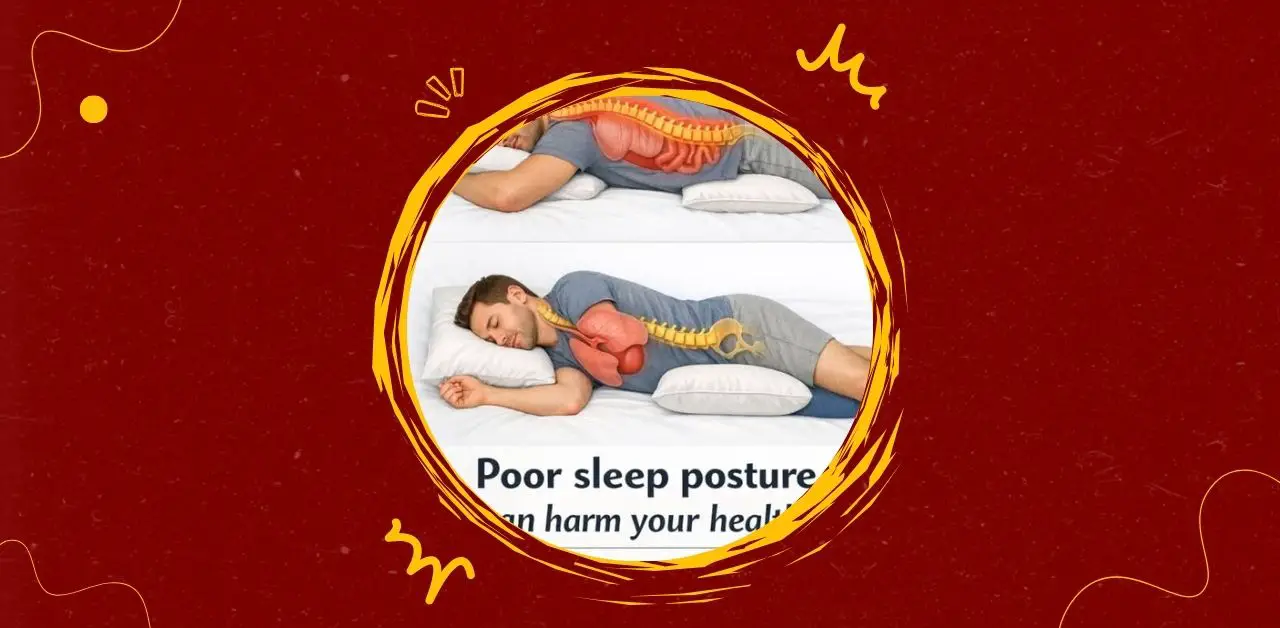
Sleep is one of the most vital functions of human life, yet it is often overlooked in discussions of health and wellness. While most people focus on the number of hours they sleep, the position in which they rest plays an equally important role. Poor sleep posture can lead to discomfort, misalignment of the spine, and unnecessary pressure on internal organs. On the other hand, adopting supportive sleep positions can improve rest quality, reduce strain, and promote long-term well-being.
Understanding Sleep Posture
Sleep posture refers to the way the body is positioned during rest. Common positions include sleeping on the back, side, or stomach. Each posture has its own effects on the body, but not all are equally beneficial. For example, sleeping on the stomach often forces the neck into unnatural angles, while side sleeping without proper support can cause the spine to curve awkwardly. Over time, these habits may contribute to stiffness, fatigue, or discomfort upon waking.
Effects of Poor Sleep Posture
- Spinal Misalignment: When the spine is not supported, it can bend or twist unnaturally, leading to tension in the back and neck.
- Organ Pressure: Certain positions compress the chest or abdomen, which may affect breathing and digestion.
- Circulation Issues: Poor posture can restrict blood flow, causing numbness or tingling in limbs.
- Restless Sleep: Discomfort from misalignment often results in tossing and turning, reducing the depth and quality of rest.
These effects highlight why posture matters as much as duration when it comes to restorative sleep.
Benefits of Correct Sleep Posture
Adopting a healthy sleep position can transform the quality of rest:
- Spinal Support: Proper alignment reduces strain on muscles and joints.
- Improved Breathing: Balanced posture opens airways, supporting steady oxygen flow.
- Organ Comfort: Less compression allows internal systems to function smoothly.
- Deeper Rest: Reduced discomfort leads to longer, uninterrupted sleep cycles.
Correct posture not only improves nightly rest but also contributes to better energy and focus during the day.
Practical Adjustments for Better Sleep
- Use Supportive Pillows: Placing a pillow between the knees when side sleeping helps maintain spinal alignment. For back sleepers, a small pillow under the knees can ease lower back tension.
- Choose the Right Mattress: A medium-firm mattress provides balanced support, preventing the body from sinking too deeply or lying too rigidly.
- Mind Neck Position: Ensure the pillow supports the natural curve of the neck without forcing it upward or downward.
- Avoid Stomach Sleeping: This position often strains the neck and compresses the chest. Transitioning to side or back sleeping is generally more supportive.
- Consistency Matters: Training the body to adopt healthier positions may take time, but consistency leads to lasting benefits.
Lifestyle Connection
Sleep posture is not isolated—it connects to overall lifestyle. Daily habits such as sitting posture, exercise routines, and hydration influence how the body feels at night. By combining good sleep posture with mindful daytime practices, individuals create a holistic approach to wellness.
Conclusion
Healthy sleep posture is a simple yet powerful way to improve overall well-being. By supporting the spine, reducing pressure on organs, and encouraging deeper rest, proper positioning transforms sleep into a truly restorative experience. With small adjustments—like using supportive pillows or choosing the right mattress—anyone can enhance their nightly routine. Sleep is more than just hours spent in bed; it is the foundation of energy, focus, and vitality. Paying attention to posture ensures that this foundation remains strong, allowing the body and mind to thrive.