
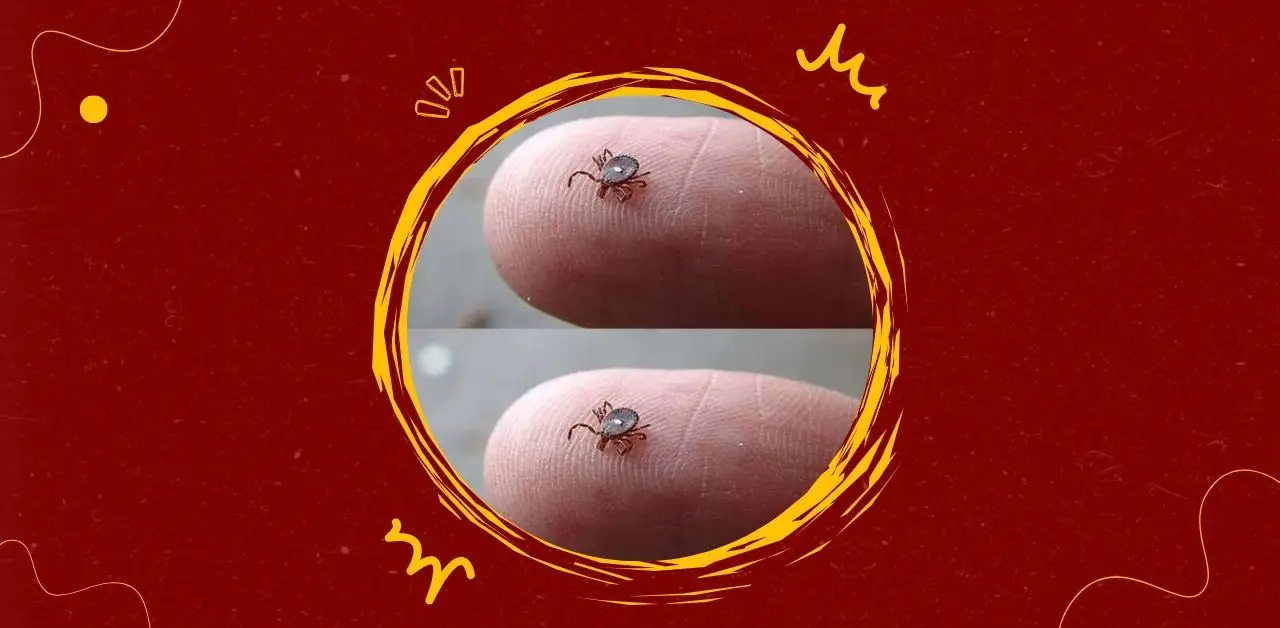
Ticks are tiny arachnids that often go unnoticed until they’ve latched onto a host. Despite their small size, they pose significant health risks to humans and animals alike. The image of a tick perched on a fingertip highlights just how inconspicuous these creatures can be, underscoring the importance of awareness and prevention.
What Are Ticks?
- Classification: Ticks belong to the arachnid family, making them relatives of spiders and mites.
- Habitat: They thrive in grassy, wooded, and humid environments.
- Behavior: Ticks are parasitic; they feed on the blood of mammals, birds, and sometimes reptiles.
Their small size allows them to hide easily in hair, clothing, or fur, making them difficult to detect.
Why Ticks Matter
Ticks are not just a nuisance—they are vectors of serious diseases. Some of the most notable include:
- Lyme disease – caused by Borrelia burgdorferi, leading to fever, fatigue, and joint pain.
- Rocky Mountain spotted fever – a bacterial infection that can be life-threatening if untreated.
- Anaplasmosis and babesiosis – other tick-borne illnesses affecting blood and immune systems.
Even a single bite can transmit pathogens, making vigilance essential.
Identifying a Tick Bite
Ticks often go unnoticed because their bites are painless. Signs to watch for include:
- A small red bump at the site of attachment.
- A tick visibly embedded in the skin.
- Expanding rash (sometimes resembling a bull’s-eye in Lyme disease).
- Flu-like symptoms appearing days or weeks later.
Early detection is critical for preventing complications.
Prevention Strategies
Protecting yourself from ticks requires a combination of awareness and practical steps:
- Clothing: Wear long sleeves, pants, and closed shoes when outdoors in tick-prone areas.
- Repellents: Use insect repellents containing DEET or permethrin on clothing.
- Inspection: After spending time outdoors, carefully check your body, scalp, and clothing.
- Pet care: Regularly inspect pets, as they can carry ticks indoors.
Simple habits can dramatically reduce the risk of tick bites.
Safe Tick Removal
If you find a tick attached:
- Use fine-tipped tweezers to grasp the tick close to the skin.
- Pull upward steadily without twisting.
- Clean the bite area with soap and water.
- Dispose of the tick safely (sealed bag or alcohol solution).
Avoid folk remedies like burning or applying petroleum jelly—these can increase the chance of infection.
Conclusion
Ticks may be small, but their impact on health is immense. The fingertip comparison image reminds us how easily they can be overlooked. By practicing prevention, performing regular checks, and knowing how to respond to bites, we can protect ourselves and our communities from tick-borne diseases. Awareness is the first step toward safety.