
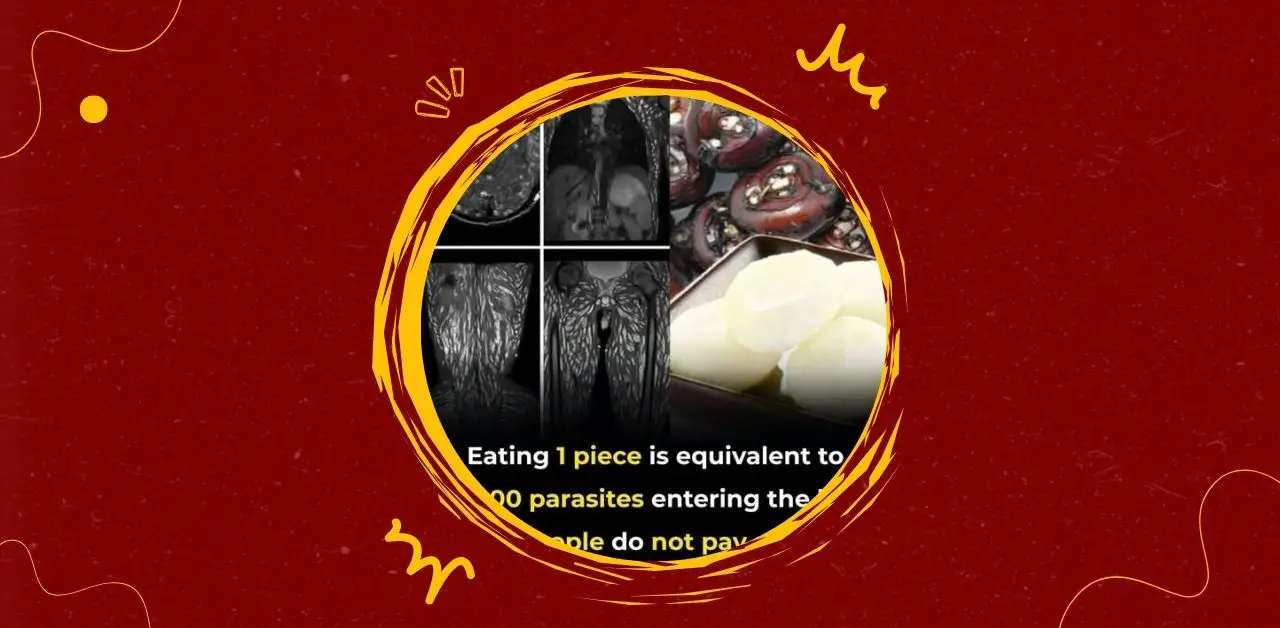
Seeds are often celebrated as nutrient-rich foods, packed with fiber, healthy fats, and essential minerals. However, not all seeds are safe for consumption. Some varieties, particularly those that are not commonly used in everyday diets, can pose serious health risks if eaten without proper knowledge or preparation. The danger lies in the potential presence of natural toxins, parasites, or contaminants that may enter the body and cause harm.
Why Some Seeds Can Be Harmful
Seeds are nature’s way of protecting plant life. Many plants coat their seeds with compounds that deter animals from eating them. These compounds can sometimes be toxic to humans. In addition, seeds stored improperly or consumed raw may harbor microorganisms or parasites that thrive in moist environments. Eating such seeds without caution can introduce harmful agents into the digestive system.
The Parasite Concern
One of the most alarming risks associated with unsafe seeds is the possibility of parasite exposure. Parasites are organisms that live off their host, often causing illness and discomfort. When contaminated seeds are consumed, parasites can enter the body and affect organs such as the intestines, liver, or even the nervous system. Symptoms may include fatigue, digestive issues, or more severe complications depending on the type of parasite.
Signs of Unsafe Seeds
- Unfamiliar appearance: Seeds that are glossy, unusually colored, or not commonly recognized as edible should raise caution.
- Improper storage: Seeds kept in damp or unsanitary conditions are more likely to harbor parasites.
- Lack of preparation: Seeds that require roasting, boiling, or fermenting before consumption should never be eaten raw.
Safe Practices for Seed Consumption
To enjoy the benefits of seeds while avoiding risks, it is important to follow safe practices:
- Know your seeds: Stick to varieties that are widely recognized as edible, such as sunflower, pumpkin, flax, or chia seeds.
- Proper preparation: Many seeds are safe only after roasting or cooking, which destroys harmful compounds and microorganisms.
- Hygienic storage: Keep seeds in dry, airtight containers to prevent contamination.
- Moderation: Even safe seeds should be consumed in reasonable amounts, as excessive intake can cause digestive discomfort.
Cultural and Traditional Knowledge
In many cultures, seeds are used in cooking, medicine, and rituals. Traditional practices often include specific preparation methods to neutralize toxins or parasites. For example, certain seeds are soaked overnight, roasted, or ground before use. These methods are not just culinary traditions but safety measures developed over generations.
The Importance of Awareness
The danger highlighted by consuming unsafe seeds is not widely known, which makes awareness crucial. People may eat seeds casually, assuming they are harmless, without realizing the potential risks. Education about safe seed consumption can prevent health issues and encourage more mindful eating habits.
Conclusion
Seeds can be both nourishing and dangerous, depending on the type and preparation. While many seeds are safe and beneficial, others may expose the body to toxins or parasites if consumed carelessly. The key lies in knowledge, preparation, and moderation. By respecting the natural properties of seeds and following safe practices, one can enjoy their benefits without risking health.
This serves as a reminder that not everything natural is automatically safe. Understanding the hidden risks of certain seeds empowers us to make better choices, ensuring that what we eat truly supports our well-being.