
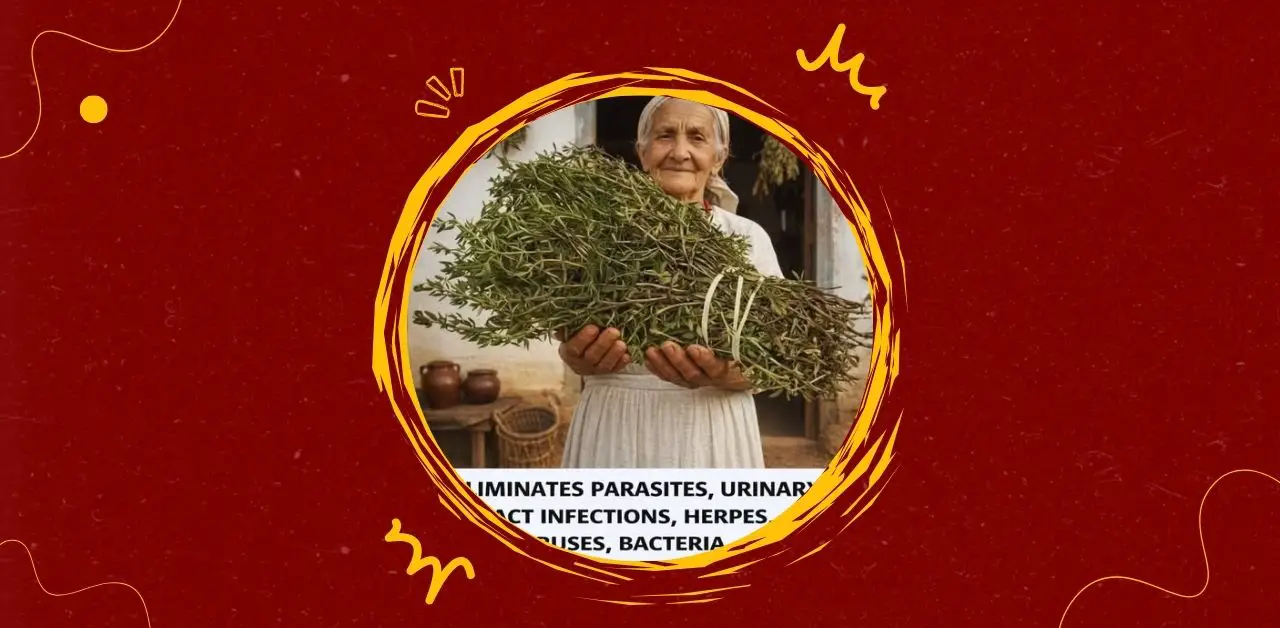
Medicinal plants have been at the heart of traditional healing practices for centuries. Across cultures, they’ve been revered not only for their ability to treat specific ailments but also for their role in maintaining overall wellness. Yet, despite their widespread use, the full potential of many of these plants remains unknown to most people. Unlocking their benefits requires understanding how to use them properly, respecting their potency, and integrating them into daily life with care.
🌿 Why Medicinal Plants Matter
Plants are nature’s pharmacy. They contain bioactive compounds—antioxidants, anti-inflammatory agents, antimicrobials, and adaptogens—that interact with the human body in profound ways. Unlike synthetic drugs, medicinal plants often work holistically, addressing root causes rather than just symptoms.
🌱 How to Use Medicinal Plants
- Teas and Infusions – Steeping herbs in hot water extracts their healing compounds. Clove tea, ginger tea, and chamomile tea are classic examples.
- Topical Applications – Aloe vera gel, turmeric paste, or herbal poultices can be applied directly to the skin for burns, wounds, or joint pain.
- Dietary Integration – Adding turmeric, garlic, or ginger to meals provides daily doses of healing compounds.
- Essential Oils – Concentrated plant extracts used in aromatherapy or diluted for topical use. Lavender oil, for example, calms stress and promotes sleep.
- Supplements – Capsules or powders offer convenience, though quality and dosage must be carefully considered.
🌟 Benefits of Powerful Medicinal Plants
- Turmeric: Reduces inflammation, supports joint health, and boosts immunity.
- Ginger: Relieves nausea, improves circulation, and aids digestion.
- Cloves: Antimicrobial, supports oral health, and eases respiratory issues.
- Aloe Vera: Soothes burns, hydrates skin, and supports digestive health.
- Echinacea: Strengthens immunity and helps fight infections.
- Chamomile: Calms nerves, aids sleep, and soothes stomach discomfort.
⚠️ Precautions
While medicinal plants are natural, they are powerful and must be used responsibly:
- Dosage matters: Overuse can cause side effects.
- Interactions: Some herbs interact with medications (e.g., turmeric with blood thinners).
- Pregnancy & children: Always consult a professional before use.
- Quality: Fresh, organic sources are best to avoid contamination.
🌍 The Emotional and Cultural Connection
Medicinal plants are more than remedies—they are part of cultural traditions and rituals. From Ayurveda in India to traditional Chinese medicine, and indigenous practices worldwide, plants have always been central to healing and spirituality. Using them connects us to centuries of wisdom and reminds us of our bond with nature.
✨ Final Thought
The most powerful medicinal plants are those that combine versatility with potency—turmeric, ginger, cloves, aloe vera, and others. Their full power lies not in a single cure but in their ability to support the body holistically. By learning how to use them properly—through teas, meals, topical applications, or aromatherapy—you can unlock their natural healing potential.
Medicinal plants are not just remedies; they are allies in the journey toward health, balance, and vitality. Their wisdom is ancient, their benefits profound, and their power still unfolding for those willing to embrace them.