
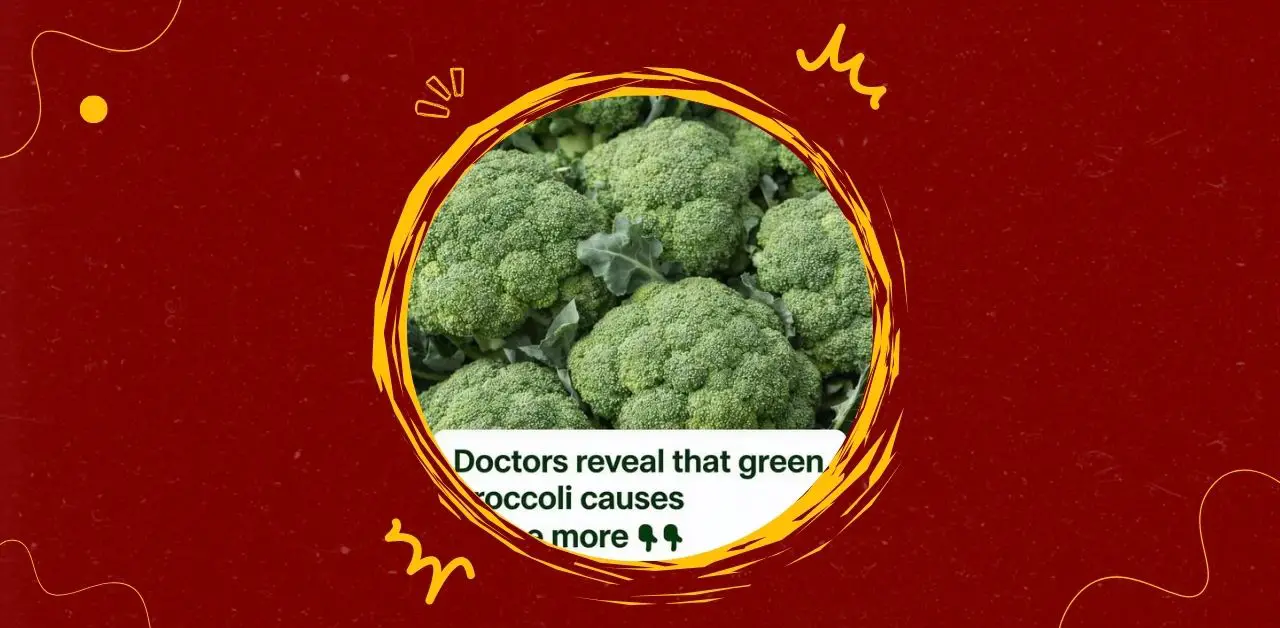
Broccoli is one of the most nutrient-dense vegetables available, often referred to as a “superfood” because of its wide range of health benefits. Its vibrant green florets are packed with vitamins, minerals, antioxidants, and fiber, making it a powerful addition to any diet. While some claims about broccoli may be exaggerated, scientific research consistently supports its role in promoting overall health and reducing the risk of chronic diseases.
Nutritional Profile
Broccoli is rich in essential nutrients, including:
- Vitamin C: Supports immune function and skin health.
- Vitamin K: Important for bone strength and blood clotting.
- Folate: Crucial for cell growth and repair.
- Fiber: Promotes digestive health and helps regulate blood sugar.
- Potassium and Magnesium: Support heart health and muscle function.
It is also low in calories, making it an excellent choice for weight management while still providing satiety.
Antioxidant Power
One of broccoli’s standout qualities is its high antioxidant content. Compounds such as sulforaphane, indole-3-carbinol, and lutein help protect cells from oxidative stress. These antioxidants may reduce inflammation and lower the risk of conditions such as heart disease and certain cancers.
Digestive Health
The fiber in broccoli supports healthy digestion by promoting regular bowel movements and feeding beneficial gut bacteria. A healthy gut microbiome is linked to improved immunity, better nutrient absorption, and reduced risk of digestive disorders.
Heart Health
Broccoli contributes to cardiovascular wellness in several ways. Its fiber helps lower cholesterol levels, while potassium and magnesium support healthy blood pressure. Antioxidants in broccoli also protect blood vessels from damage, reducing the risk of atherosclerosis.
Bone Strength
With its high levels of calcium, vitamin K, and magnesium, broccoli plays a role in maintaining strong bones. Regular consumption can help reduce the risk of osteoporosis, especially when combined with other calcium-rich foods.
Cancer-Preventive Properties
Sulforaphane, a compound found in broccoli, has been studied for its potential to inhibit the growth of cancer cells. While broccoli alone cannot prevent or cure cancer, including it in a balanced diet may contribute to lowering risk factors.
Practical Tips for Eating Broccoli
- Cooking methods: Steaming preserves the most nutrients, while boiling may reduce vitamin content.
- Pairing: Combine broccoli with foods rich in healthy fats, such as olive oil or nuts, to enhance absorption of fat-soluble vitamins.
- Variety: Enjoy broccoli raw in salads, lightly sautéed, roasted, or blended into soups.
Final Thought
Green broccoli is a powerhouse vegetable that supports immunity, digestion, heart health, and bone strength. Its rich nutrient profile and antioxidant properties make it a valuable part of a balanced diet. While no single food can guarantee health or prevent disease, incorporating broccoli regularly can contribute significantly to long-term wellness.
This humble vegetable proves that sometimes the simplest foods are the most powerful allies in maintaining a healthy lifestyle.