
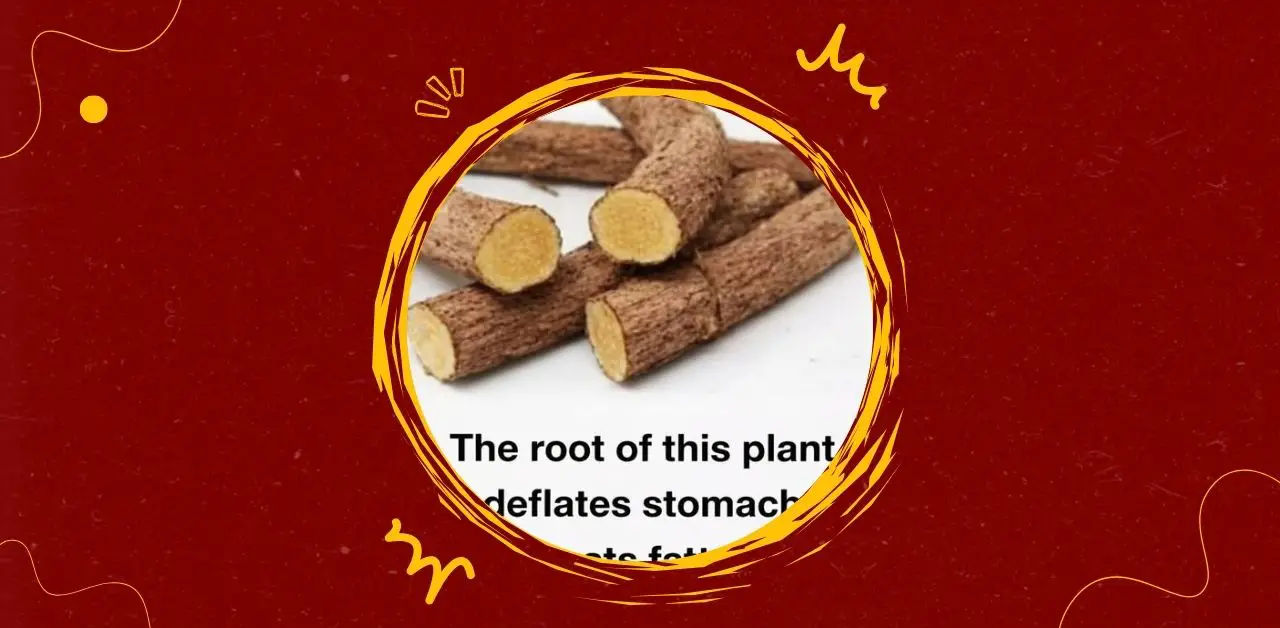
Across cultures and centuries, roots have been treasured as powerful agents of healing. Their fibrous textures and earthy aromas conceal a wealth of natural compounds that can support digestion, liver health, and overall vitality. The root in question, with its rough brown exterior and yellowish interior, is often highlighted in traditional wellness practices for its ability to ease stomach discomfort and support liver function. While modern science continues to explore these claims, the cultural and historical significance of such roots remains undeniable.
Traditional Uses
Roots have long been incorporated into herbal remedies, teas, and infusions. In many traditions, they are boiled to release their active compounds, creating a tonic that is consumed to soothe digestive issues. The particular root discussed here is often associated with reducing bloating, calming indigestion, and promoting a sense of lightness in the stomach. Its reputation as a liver-supportive agent stems from its believed ability to help the body process fats more efficiently, thereby easing strain on the liver.
Nutritional and Phytochemical Profile
Roots like these are rich in phytochemicals—natural plant compounds that can have antioxidant, anti-inflammatory, and detoxifying effects. The yellowish interior suggests the presence of compounds similar to curcuminoids or alkaloids, which are known to aid in metabolic processes. Antioxidants found in roots help neutralize free radicals, reducing oxidative stress that can burden the liver. Additionally, certain compounds may stimulate bile production, assisting in the digestion of fats and supporting liver detoxification.
Digestive Benefits
One of the most celebrated qualities of this root is its ability to “deflate” the stomach, a phrase often used to describe relief from bloating and gas. By calming the digestive tract, it can help reduce discomfort after heavy meals. Its fibrous nature also suggests mild prebiotic properties, potentially supporting healthy gut bacteria. When consumed as a tea or infusion, the root’s compounds may relax intestinal muscles, easing cramping and promoting smoother digestion.
Liver Support
Fatty liver disease has become increasingly common due to modern dietary habits. Roots with detoxifying properties are often recommended in traditional medicine to counteract this condition. The compounds within this root are believed to assist in breaking down fats, preventing their accumulation in the liver. While not a substitute for medical treatment, such natural remedies can complement a balanced lifestyle, encouraging healthier liver function over time.
Preparation and Use
Traditionally, the root is cut into small pieces and boiled in water to create a tea. This infusion is consumed warm, often once or twice a day, depending on individual needs. Some practices involve soaking the root in oil or alcohol to create tinctures or extracts, which concentrate its active compounds. Regardless of the method, moderation is key—roots are potent, and their effects are best experienced gradually.
Cultural Significance
Beyond its medicinal value, roots like these symbolize resilience and grounding. They grow deep within the earth, drawing strength from soil and minerals, and in turn, they offer humans a connection to nature’s healing power. In many cultures, sharing root-based remedies is a communal act, reinforcing bonds and passing down wisdom through generations.
Conclusion
The humble root, with its rough exterior and golden interior, is far more than a plant part—it is a vessel of healing traditions, nutritional compounds, and cultural heritage. Its ability to ease stomach discomfort and support liver health makes it a valuable ally in natural wellness practices. While modern science continues to validate and refine these uses, the enduring respect for roots in traditional medicine reminds us of the profound wisdom embedded in nature. By incorporating such remedies thoughtfully and responsibly, we honor both our health and the traditions that have sustained humanity for centuries.