
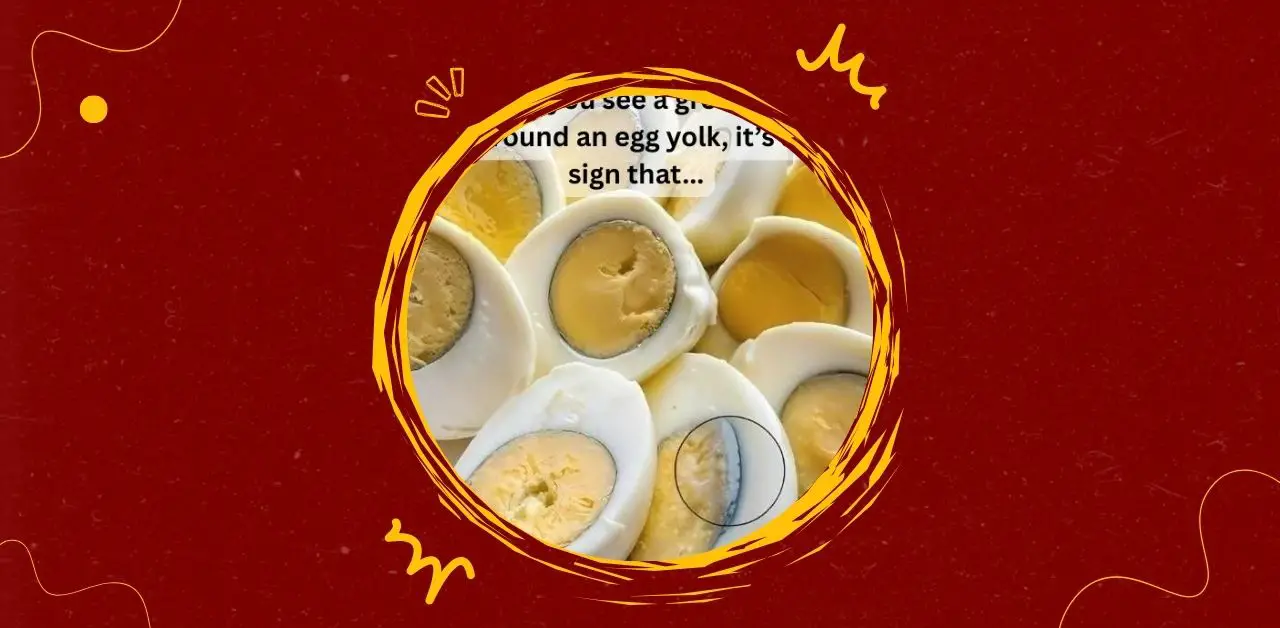
Hard-boiled eggs are a staple in kitchens worldwide, valued for their simplicity, nutrition, and versatility. Yet, many home cooks notice a curious phenomenon: a greenish-gray ring forming around the yolk. While it may look unusual, this ring is not harmful. Instead, it is a natural result of cooking chemistry. Exploring why this happens, how to prevent it, and what it means for your eggs can help you achieve perfectly cooked results every time.
The Science Behind the Green Ring
The green ring around an egg yolk is caused by a chemical reaction between sulfur in the egg white and iron in the yolk. When eggs are boiled for too long or at too high a temperature, hydrogen sulfide gas forms in the whites. This gas reacts with the iron in the yolk, producing ferrous sulfide—a compound that appears as a green or gray discoloration.
This reaction is most common when eggs are:
- Overcooked: Extended boiling intensifies the reaction.
- Cooked at high heat: Rapid boiling increases sulfur release.
- Not cooled quickly: Residual heat continues cooking even after removal from the stove.
Is It Safe to Eat?
Yes, eggs with a green ring are completely safe to eat. The discoloration is purely cosmetic and does not affect the nutritional value. However, many people prefer the appearance and taste of eggs without the ring, as overcooking can make the yolk slightly chalky.
How to Prevent the Ring
- Control cooking time: Boil eggs gently for 9–12 minutes, depending on size.
- Avoid rapid boiling: A gentle simmer reduces sulfur release.
- Cool immediately: Place eggs in an ice bath after cooking to stop the reaction.
- Use fresh eggs: Older eggs are more prone to discoloration due to changes in pH.
Practical Uses of Hard-Boiled Eggs
Hard-boiled eggs are incredibly versatile. They can be eaten plain with a sprinkle of salt, sliced into salads, mashed into spreads, or used as a protein-rich snack. Their portability makes them ideal for lunchboxes, picnics, and quick breakfasts. Even if a green ring appears, the eggs remain useful in recipes where appearance is less important, such as egg salad or deviled eggs.
Cultural and Culinary Notes
In some culinary traditions, the green ring is even embraced. For example, in certain dishes where eggs are cooked for extended periods—such as soy-braised eggs in East Asian cuisine—the discoloration is expected and adds character. This shows that while Western cooking often emphasizes a “perfect” yellow yolk, other cultures view the green ring as part of the egg’s transformation.
Conclusion
The green ring around an egg yolk is a fascinating example of kitchen chemistry. It signals overcooking or prolonged heat exposure, but it does not mean the egg is spoiled or unsafe. By controlling cooking time, using gentle heat, and cooling eggs quickly, you can enjoy hard-boiled eggs with bright, golden yolks. Whether you prefer them flawless or don’t mind a little ring, understanding the science behind it helps you cook with confidence.