
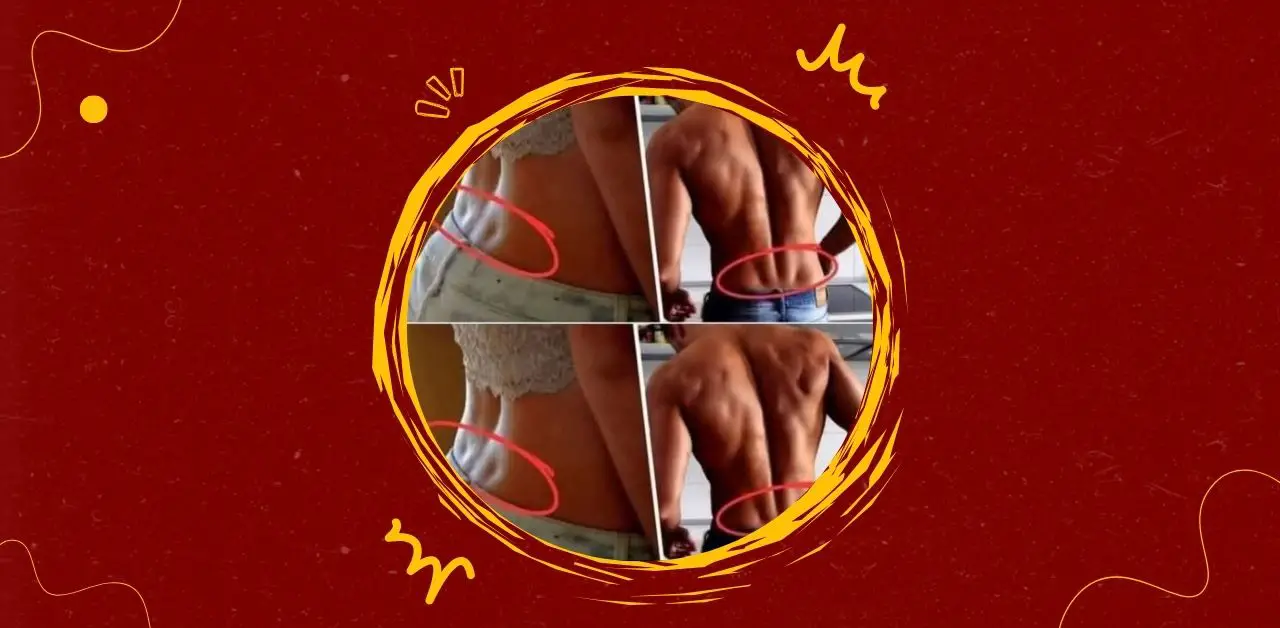
Venus dimples, also known as “dimples of Venus,” are small indentations that appear on the lower back, just above the buttocks. These natural features have intrigued people for centuries, often associated with beauty, health, and fitness. While they are not present in everyone, those who have them often notice that they add a unique aesthetic quality to the body. Beyond appearance, Venus dimples have anatomical significance, linked to bone structure and circulation. Understanding their origins and meaning provides insight into both human anatomy and cultural symbolism.
What Are Venus Dimples?
Venus dimples are formed where the pelvis meets the sacroiliac joints, creating small indentations in the skin. They are not the result of exercise or lifestyle choices but are largely determined by genetics. Their visibility depends on how the skin and underlying bone structure align in this region.
- Location: Lower back, just above the buttocks.
- Cause: Genetic bone and joint alignment.
- Appearance: Small, symmetrical indentations.
Symbolism and Cultural Associations
- Beauty: In many cultures, Venus dimples are considered attractive and a sign of physical charm.
- Health: They are often associated with good circulation and fitness, though this is more symbolic than scientific.
- Name Origin: The term “Venus dimples” comes from Venus, the Roman goddess of beauty and love, highlighting their aesthetic appeal.
Scientific Perspective
While Venus dimples are often admired for their appearance, they also have anatomical relevance:
- Circulation: Some believe they indicate better blood flow in the pelvic region, though evidence is limited.
- Genetics: Their presence is inherited, meaning they cannot be developed through exercise.
- Fitness Connection: People with lower body fat may have more visible dimples, which is why they are sometimes linked to fitness.
Common Misconceptions
- Exercise Creates Them: Venus dimples cannot be formed through workouts; they are genetic.
- Everyone Can Have Them: Not all individuals have the bone structure that produces these indentations.
- Health Guarantee: While attractive, they are not a definitive sign of health or fitness.
Emotional and Lifestyle Value
For those who have Venus dimples, they can be a source of confidence and individuality. They highlight the uniqueness of human anatomy and remind us that beauty often lies in natural variation. For others, appreciating these features in art, culture, or fitness imagery can inspire admiration for the diversity of the human body.
Conclusion
Venus dimples are small indentations on the lower back that carry both anatomical and cultural significance. Rooted in genetics, they cannot be created or removed through lifestyle changes, but they are often admired as symbols of beauty and uniqueness. Whether viewed scientifically or aesthetically, they represent the fascinating ways in which human anatomy shapes our appearance.