
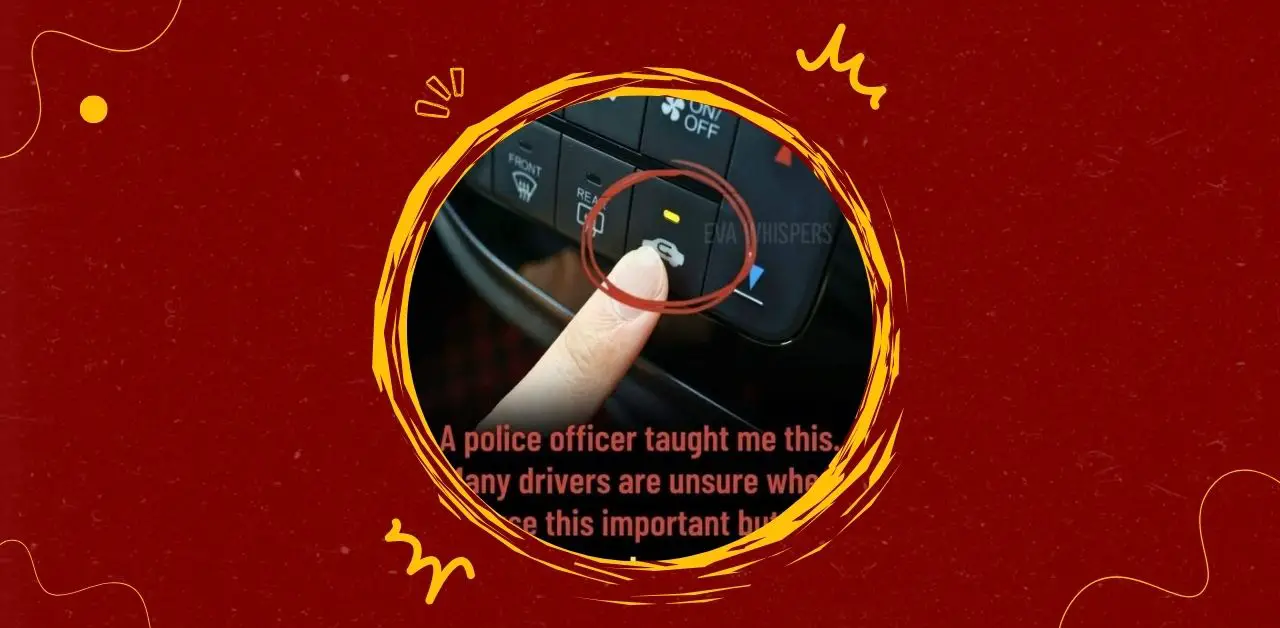
Modern vehicles are packed with technology, safety features, and convenience tools, yet many drivers overlook one of the most important buttons on their dashboard: the hazard warning lights (often called the hazard button). This small red triangle, usually located near the center of the dashboard, is more than just a symbol—it’s a critical safety feature that can protect you, your passengers, and other road users in unexpected situations.
What the Hazard Button Does
When pressed, the hazard button activates all four turn signal lights simultaneously, flashing in unison. This alerts other drivers that your vehicle is experiencing trouble or that there’s a potential hazard ahead. Unlike regular indicators, hazard lights are universally recognized as a warning signal, cutting through confusion and immediately drawing attention.
Why Drivers Ignore It
Many drivers rarely use the hazard button because they assume it’s only for emergencies like breakdowns. Others simply forget it exists, tucked away among dozens of other dashboard controls. In reality, hazard lights serve multiple purposes beyond mechanical failure, and ignoring them can mean missing out on a vital safety tool.
Situations Where Hazard Lights Matter
- Vehicle Breakdown: If your car stalls or suffers a mechanical issue, hazard lights warn others to slow down and steer clear.
- Sudden Obstruction: Whether it’s debris on the road or an accident ahead, hazard lights alert approaching drivers to danger.
- Extreme Weather: Heavy fog, torrential rain, or blinding snow can reduce visibility. Hazard lights make your vehicle more noticeable.
- Emergency Stops: If you need to stop suddenly on a highway shoulder, hazard lights signal that your vehicle is stationary and vulnerable.
- Traffic Jams on Highways: In some regions, drivers use hazard lights to warn of sudden slowdowns, reducing the risk of rear-end collisions.
The Psychology of Warning Signals
Hazard lights work because they trigger an instinctive response. Flashing lights are universally associated with caution, danger, or urgency. This immediate recognition helps prevent accidents by giving other drivers extra time to react.
Common Misuses
While hazard lights are invaluable, they are sometimes misused. For example, some drivers switch them on while driving slowly in heavy rain, which can confuse others. Hazard lights should generally be used when the vehicle is stationary or when there’s a clear, immediate danger.
Why It Actually Matters
Ignoring the hazard button means ignoring one of the simplest, most effective ways to communicate with other drivers. In emergencies, seconds matter, and hazard lights can provide those crucial moments of awareness. They reduce the risk of collisions, protect stranded vehicles, and help manage unpredictable road conditions.
Final Thought
The hazard button may be small, but its impact is enormous. It’s a reminder that safety often lies in the simplest tools—ones we might overlook until we truly need them. Next time you glance at your dashboard, remember that this button isn’t just decoration. It’s a lifeline, designed to keep you and others safe when the unexpected happens.