
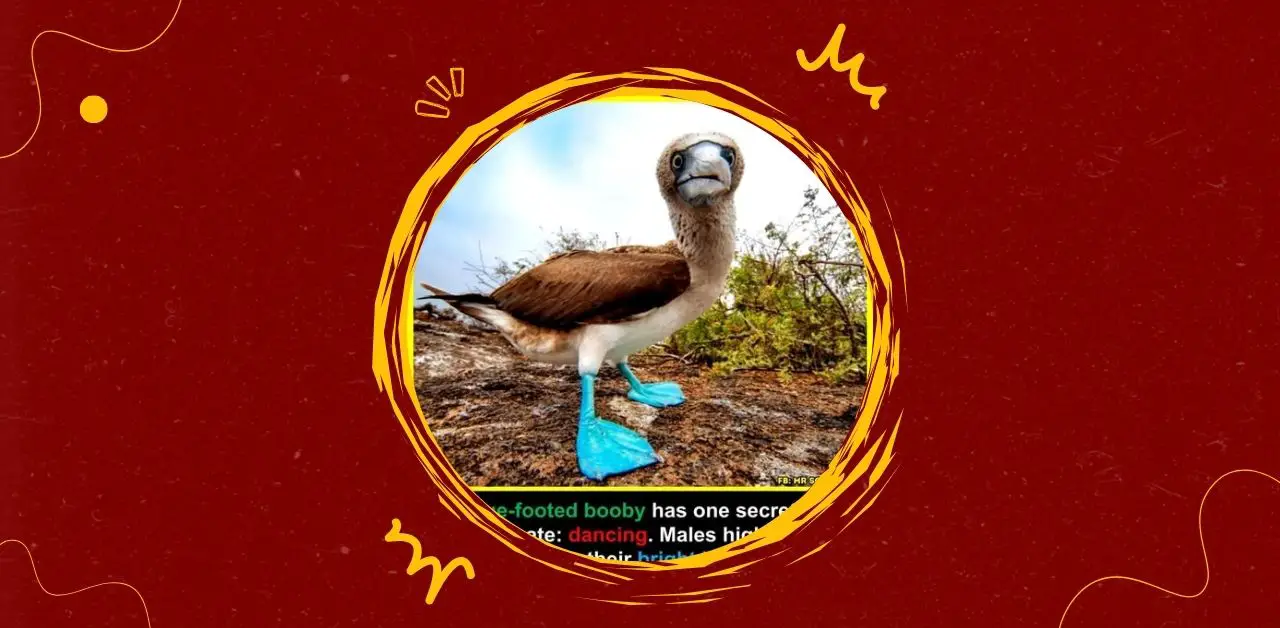
The blue-footed booby (Sula nebouxii) is a striking seabird famous for its bright blue feet and elaborate mating dance, found mainly along the Pacific coasts of Central and South America, especially the Galápagos Islands. Their unique courtship displays and diving skills make them one of the most fascinating marine birds. Fact Animal World Wildlife Fund Animals Network
Physical Characteristics
- Size: About 76–84 cm (32–34 inches) long, with a wingspan of 1.5 meters.
- Weight: 3–4 pounds.
- Coloration: Brown wings, white underside, and vivid blue feet.
- Feet Color: The blue comes from carotenoid pigments in their diet, mainly fish. The brighter the feet, the healthier and more attractive the bird appears.
Habitat and Distribution
- Found across tropical and subtropical islands in the eastern Pacific Ocean.
- Commonly seen in Mexico’s Gulf of California, Ecuador, Peru, and the Galápagos Islands.
- They prefer coastal areas and rocky islands, nesting close to the sea for easy access to food.
Behavior and Courtship
- Courtship Dance: Males perform a high-stepping dance, lifting their feet to show off their color. The bluer the feet, the better their chances of attracting a mate.
- Pair Bonds: Once paired, they often remain monogamous for a season, sharing nesting duties.
- Nesting: They lay 1–3 eggs in simple ground nests. Both parents incubate and feed chicks.
Feeding Habits
- Diet: Primarily fish and squid.
- Hunting Style: They are expert divers, plunging into the ocean at speeds up to 90 km/h (50 mph).
- Cooperative Feeding: Often hunt in groups, diving together into schools of fish.
Lifespan and Conservation
- Average Lifespan: Around 17 years in the wild.
- Predators: Hawks and larger seabirds may prey on chicks.
- Conservation Status: Listed as Least Concern, though populations fluctuate depending on food availability.
Cultural and Scientific Importance
- The blue-footed booby is iconic in the Galápagos Islands, often featured in ecotourism and wildlife documentaries.
- Their unusual name comes from the Spanish word bobo, meaning “clown” or “fool,” referring to their clumsy movements on land compared to their grace in the air and water.
- Scientists study their mating rituals and foot coloration as indicators of health and reproductive success.
Conclusion
The blue-footed booby is a remarkable seabird whose vivid feet and playful dance symbolize both survival and attraction in the natural world. Their ability to dive with precision, their cooperative feeding strategies, and their unique courtship rituals make them one of the most captivating species in marine ecosystems. While not endangered, they remain vulnerable to environmental changes, making conservation of their habitats essential.