
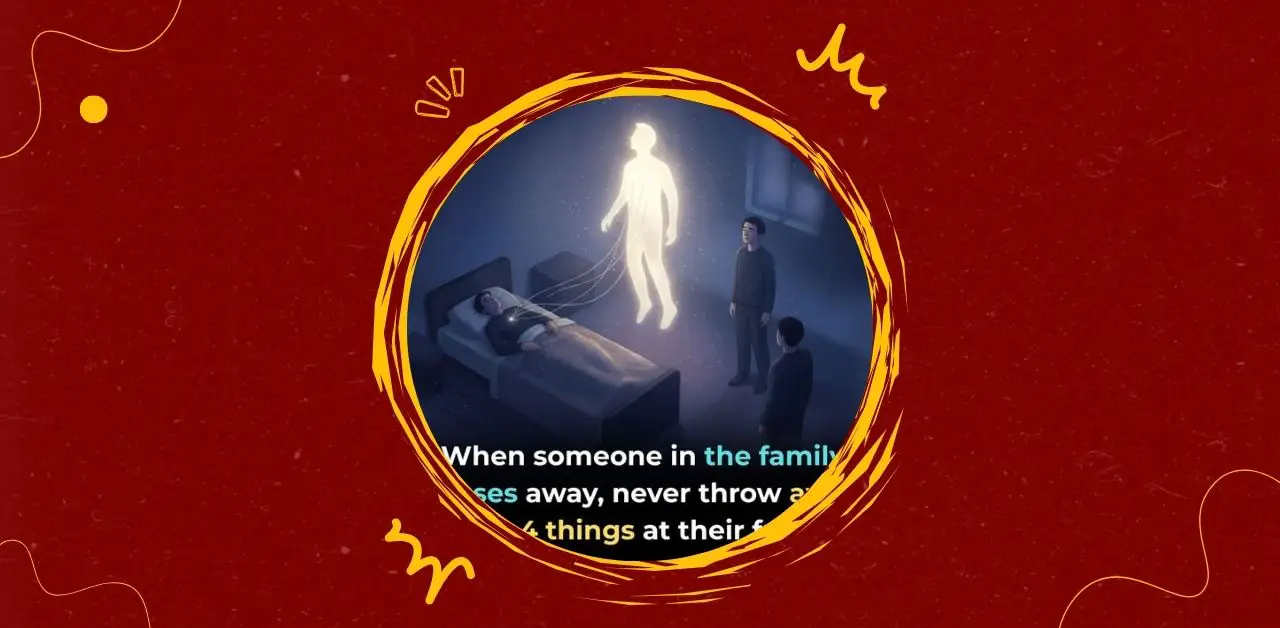
When a loved one passes away, families often face not only grief but also decisions about traditions, rituals, and the handling of personal belongings. In many cultures, certain items associated with the deceased or the funeral are considered significant and should not be discarded hastily. These objects carry symbolic meaning, emotional weight, and sometimes spiritual importance. Understanding why these items matter can help families honor their loved one’s memory while respecting cultural practices.
The Role of Rituals in Mourning
Funerals are more than ceremonies; they are acts of remembrance and closure. The items used or kept during these rituals often serve as tangible connections to the departed. They remind the living of the person’s presence, values, and the bond shared. Throwing them away without thought may feel like severing ties too abruptly, which is why many traditions emphasize preservation.
Commonly Preserved Items
- Photographs and Memorial Cards These are often distributed at funerals and serve as keepsakes. They carry the image and words that honor the deceased, becoming cherished reminders for family and friends.
- Candles or Incense Holders In many traditions, candles or incense are lit to guide the spirit or symbolize eternal light. The holders used during the funeral may be kept as sacred objects, representing continuity of remembrance.
- Clothing or Personal Belongings A favorite garment, accessory, or personal item of the deceased may be preserved. These items embody the person’s identity and can provide comfort to grieving family members.
- Religious or Spiritual Symbols Objects such as prayer beads, crosses, or scriptures used during the funeral often hold deep spiritual meaning. They are not discarded but kept as part of ongoing remembrance and devotion.
Why Preservation Matters
Keeping these items is not about superstition but about respect and memory. They serve as anchors for grief, helping families process loss while maintaining a sense of connection. In some cultures, discarding them is seen as disrespectful or as cutting ties prematurely with the deceased.
Emotional and Cultural Connection
The act of preserving funeral items reflects the universal human need to hold onto memories. Whether through photographs, personal belongings, or symbolic objects, these items become part of the family’s collective story. They remind future generations of the person who lived, loved, and contributed to the family’s legacy.
Practical Considerations
- Store items in a safe, respectful place, such as a memory box or family altar.
- Share keepsakes among family members so everyone feels connected.
- Use preserved items during anniversaries or memorial services to honor the deceased.
Final Thought
When someone in the family passes away, the items associated with their funeral are more than objects—they are vessels of memory, respect, and cultural meaning. Preserving them allows families to honor their loved one’s life, maintain traditions, and find comfort in tangible reminders of the bond that endures beyond death.