
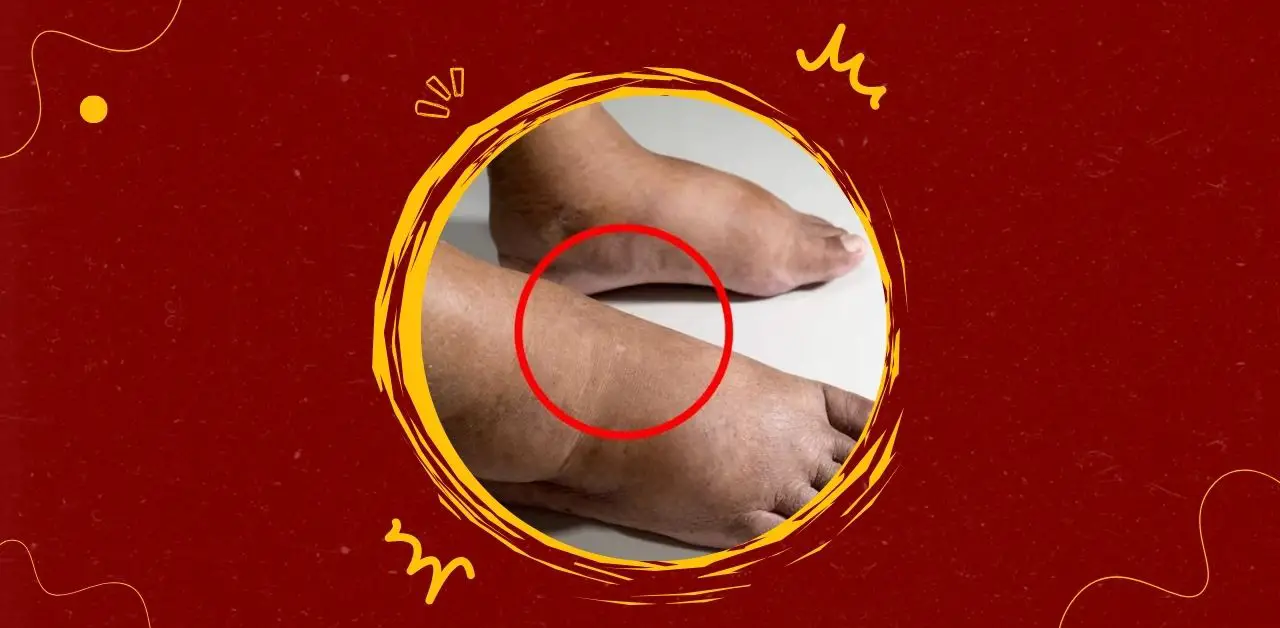
Swelling in the feet and ankles, often referred to as edema, is a common condition that can affect people of all ages but is especially prevalent among older adults. It occurs when excess fluid builds up in the tissues, leading to puffiness, discomfort, and sometimes discoloration. While mild swelling may seem harmless, sleeping with untreated or persistent edema can have consequences for overall health. Understanding the causes, risks, and preventive measures is essential for maintaining circulation and well-being.
CAUSES OF SWELLING
- Fluid retention: Often linked to prolonged sitting or standing.
- Circulatory issues: Poor blood flow or venous insufficiency can cause fluid buildup.
- Medical conditions: Heart disease, kidney problems, or liver issues may contribute.
- Dietary factors: Excess salt intake can lead to water retention.
- Medications: Certain drugs, such as those for blood pressure, may cause swelling.
CONSEQUENCES OF SLEEPING WITH SWOLLEN FEET
- Reduced Circulation Sleeping with untreated swelling can worsen poor blood flow, leading to discomfort and heaviness in the legs.
- Increased Pain and Stiffness Fluid buildup may cause pressure in the joints, resulting in stiffness and difficulty moving upon waking.
- Risk of Skin Issues Persistent swelling stretches the skin, making it more vulnerable to dryness, cracking, or infection.
- Sleep Disruption Discomfort from swollen feet can interfere with restful sleep, leaving you fatigued the next day.
- Underlying Health Concerns Chronic edema may signal deeper health problems, such as cardiovascular or kidney conditions, which require medical attention.
PRACTICAL WAYS TO REDUCE SWELLING BEFORE SLEEP
- Elevate your legs: Place a pillow under your feet to encourage fluid drainage.
- Stay hydrated: Drinking water helps balance fluid levels in the body.
- Limit salt intake: Reducing sodium can minimize water retention.
- Gentle massage: Lightly massaging the feet and ankles can stimulate circulation.
- Wear compression socks: These can help prevent fluid buildup during the day.
- Exercise regularly: Even light walking improves blood flow and reduces swelling.
SERVINGS
This is not a food recipe but a lifestyle practice. Think of it as a daily routine serving your health — applying these steps consistently can improve circulation and reduce discomfort.
NOTE
- Occasional mild swelling is common, but persistent or severe edema should not be ignored.
- If swelling is accompanied by pain, redness, or shortness of breath, seek medical advice immediately.
- These practices are supportive measures, not substitutes for professional treatment.
- Always consult a healthcare provider if you suspect an underlying condition.
Closing Reflection
Sleeping with swollen feet and ankles may seem like a minor inconvenience, but over time it can affect circulation, comfort, and overall health. By adopting simple habits such as elevating your legs, reducing salt intake, and staying active, you can minimize the risks and enjoy more restful sleep. Paying attention to these signs is not just about comfort — it’s about protecting your long-term well-being.