
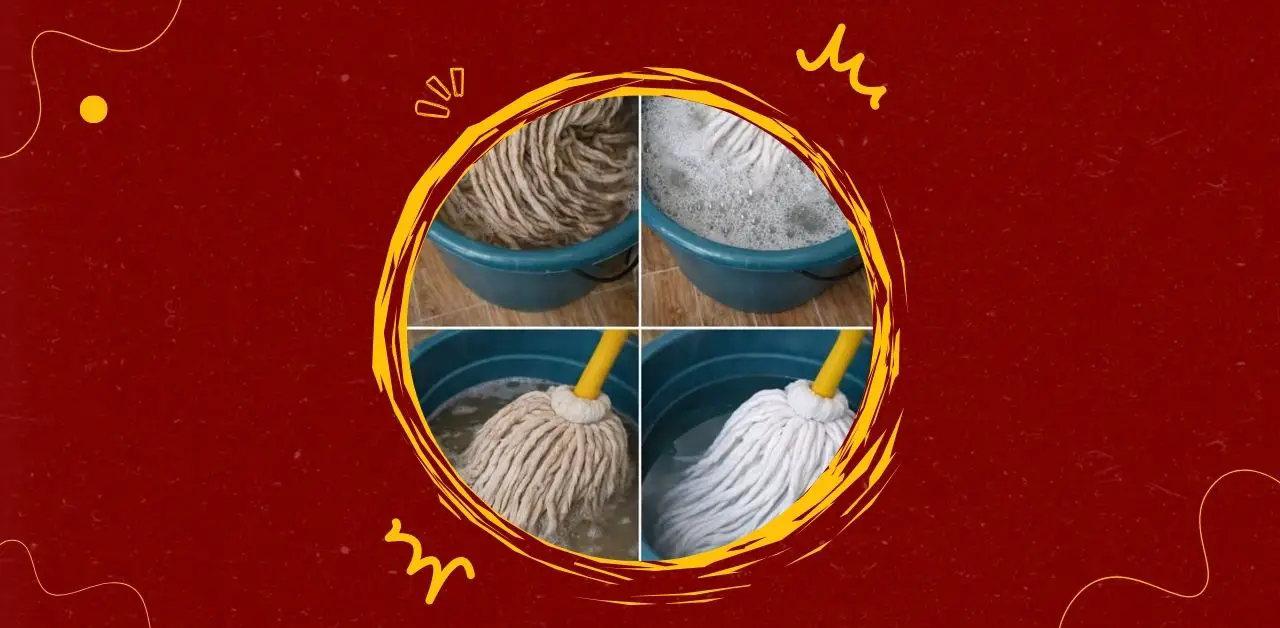
Maintaining a clean mop head is one of the most overlooked yet essential aspects of household hygiene. A mop is designed to remove dirt, grime, and bacteria from floors, but if the mop head itself is not properly cleaned, it can quickly become a breeding ground for germs. The process of cleaning a mop head is simple, but doing it thoroughly ensures that your cleaning tool remains effective and safe for repeated use.
Why Cleaning Mop Heads Matters
- Prevents bacteria buildup: Dirty mop heads harbor harmful microbes that can spread across your floors instead of cleaning them.
- Extends mop lifespan: Regular cleaning prevents fibers from breaking down prematurely.
- Improves cleaning efficiency: A fresh mop head absorbs water and soap better, making your cleaning faster and more effective.
- Reduces odors: Stagnant water and dirt trapped in mop fibers often lead to unpleasant smells.
Step-by-Step Mop Head Cleaning Process
1. Pre-Rinse in Warm Water
Begin by rinsing the mop head in a bucket of warm water. This loosens dirt and debris, removing the bulk of grime before deeper cleaning. The water will likely turn murky, showing just how much residue was trapped.
2. Wash with Soap or Detergent
Fill a bucket with warm water and add a mild detergent or antibacterial soap. Submerge the mop head and agitate it thoroughly. The soap helps break down grease, stains, and bacteria. Foam forming on the surface indicates that dirt is being lifted out of the fibers.
3. Rinse Until Water Runs Clear
Drain the soapy water and refill the bucket with clean water. Rinse the mop head repeatedly until the water remains clear. This step ensures that all detergent and loosened dirt are fully removed.
4. Sanitize for Extra Protection
For added hygiene, soak the mop head in a disinfectant solution (such as diluted bleach or vinegar) for 10–15 minutes. This kills lingering bacteria and prevents mold growth. Always follow proper dilution instructions to avoid damaging the mop fibers.
5. Dry Completely
After rinsing, wring out excess water and hang the mop head in a well-ventilated area to dry. Avoid storing it damp, as moisture encourages bacterial growth. Sunlight is ideal because it naturally disinfects and speeds up drying.
Tips for Long-Term Mop Maintenance
- Wash after every use: Even a quick rinse prevents buildup.
- Deep clean weekly: Use detergent and disinfectant for a thorough wash.
- Replace when worn: Mop heads should be replaced every 2–3 months, or sooner if fibers fray.
- Store properly: Keep mop heads dry and upright to prevent mildew.
Conclusion
A mop is only as clean as its head. By following a simple routine of rinsing, washing, sanitizing, and drying, you ensure that your mop remains a reliable tool for keeping your home spotless. The transformation from dirty to clean—like the sequence shown in your image—demonstrates the effectiveness of proper care. A clean mop head not only protects your floors but also safeguards your family’s health.
Thanks for the receipt I really appreciate