
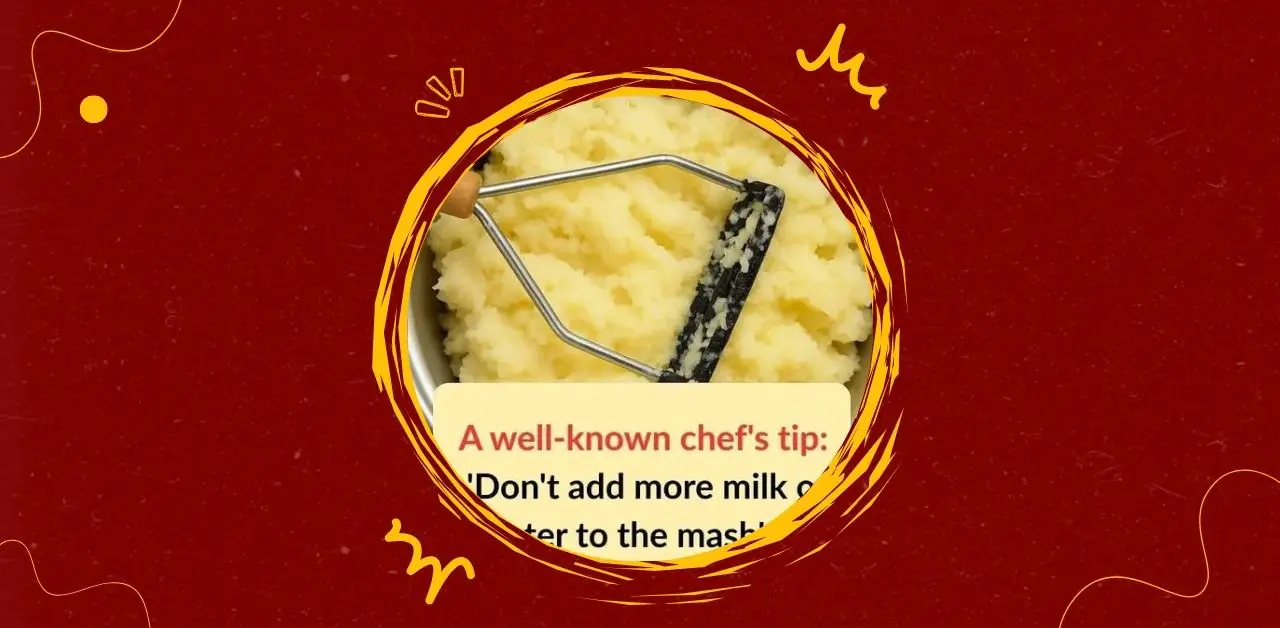
Mashed potatoes are a timeless comfort food, beloved for their creamy texture and rich flavor. While the recipe may seem simple—boiled potatoes, butter, milk, and seasoning—the technique behind achieving the perfect mash is more nuanced than it appears. One well-known chef’s tip emphasizes avoiding the addition of excess milk or water once the potatoes are mashed. This advice, though seemingly small, makes a significant difference in the final dish.
The Science of Texture
Potatoes contain starch granules that swell when cooked. When mashed, these granules release starch, which helps create the creamy consistency we expect. Adding too much liquid dilutes this natural structure, resulting in a watery or gluey mash. The goal is to balance moisture with richness, allowing the potatoes to remain fluffy yet smooth.
Why Extra Liquid Can Ruin the Mash
- Loss of Creaminess Overly thinned potatoes lose their velvety mouthfeel, becoming more like a puree than a mash.
- Flavor Dilution Water or excessive milk can mute the natural earthy flavor of potatoes, leaving them bland.
- Texture Breakdown Too much liquid can cause the mash to separate, with liquid pooling at the edges instead of blending evenly.
The Right Approach
Instead of adding more liquid after mashing, chefs recommend carefully controlling moisture during the cooking process:
- Drain Thoroughly: After boiling, potatoes should be drained completely to remove excess water.
- Steam Dry: Returning drained potatoes to the hot pot for a few minutes allows residual moisture to evaporate, ensuring a drier base for mashing.
- Warm Additions: Butter and milk should be warmed before mixing in. This helps them incorporate smoothly without shocking the starch structure.
Flavor Enhancements Without Extra Liquid
To achieve creaminess without compromising texture, consider these alternatives:
- Butter: Adds richness and a silky finish.
- Cream or Half-and-Half: Provides body without excessive thinning.
- Olive Oil: Offers a lighter, slightly fruity flavor.
- Roasted Garlic or Herbs: Infuses depth without altering consistency.
Practical Tips for Success
- Use starchy potatoes like Russets or Yukon Golds, which yield fluffier results.
- Mash gently with a potato masher or ricer; overworking can make the mash gluey.
- Season gradually with salt and pepper, tasting as you go to avoid over-seasoning.
- Serve immediately for the best texture, as mashed potatoes can stiffen when cooled.
Conclusion
The secret to perfect mashed potatoes lies not in adding more liquid but in respecting the natural balance of the potato itself. By draining thoroughly, steaming dry, and incorporating warm, flavorful additions, you can achieve a mash that is creamy, rich, and satisfying. The chef’s tip to avoid extra milk or water is a reminder that sometimes restraint is the key to culinary excellence. Mashed potatoes, when prepared with care, become more than a side dish—they transform into a centerpiece of comfort and tradition.