
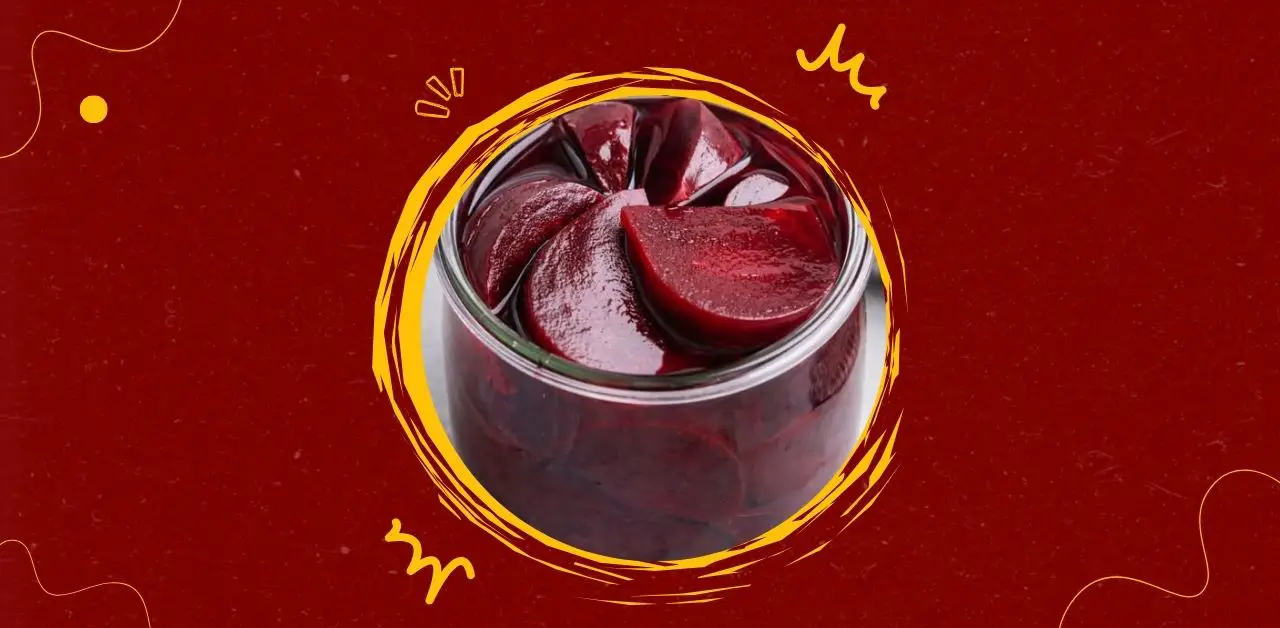
Pickled beets are more than just a tangy side dish—they’re a vibrant symbol of preservation, tradition, and culinary creativity. With their deep ruby color and sweet-sour flavor, they’ve earned a place in kitchens across the world, from rustic farm tables to modern gourmet spreads.
A Brief History
- Ancient preservation: Pickling dates back thousands of years as a way to extend the shelf life of vegetables. Vinegar and salt brines were essential before refrigeration.
- Cultural roots: In Eastern Europe, pickled beets became a staple, often served alongside hearty breads, meats, and cheeses. In the American South, they were a common feature at Sunday dinners and holiday gatherings.
- Modern revival: Today, pickled beets are celebrated for their health benefits, versatility, and nostalgic charm.
Nutritional Benefits
Beets themselves are nutrient powerhouses, and pickling preserves much of their goodness:
- Rich in fiber, aiding digestion.
- High in folate and manganese, supporting cell health and metabolism.
- Natural source of nitrates, which may help improve circulation and stamina.
- Vinegar adds probiotic potential when naturally fermented, supporting gut health.
The Pickling Process
Making pickled beets is straightforward yet rewarding:
- Preparation: Fresh beets are boiled or roasted until tender, then peeled and sliced.
- Brine creation: A mixture of vinegar, water, sugar, and spices (like cloves, cinnamon, or mustard seed) is simmered.
- Jar assembly: Beets are packed into sterilized jars and covered with hot brine.
- Sealing and storage: Jars are sealed and either refrigerated for quick use or processed in a water bath for long-term storage.
Flavor Variations
Pickled beets can be customized endlessly:
- Sweet & tangy: Extra sugar for a dessert-like twist.
- Savory & spiced: Garlic, peppercorns, and bay leaves for depth.
- Citrus-infused: Orange or lemon zest for brightness.
- Herbal notes: Dill or rosemary for a fresh, earthy touch.
Culinary Uses
Pickled beets shine in many dishes:
- Tossed into salads with goat cheese and walnuts.
- Layered on sandwiches for a tangy crunch.
- Served as a side dish with roasted meats.
- Blended into dressings or dips for a colorful twist.
- Enjoyed simply, straight from the jar.
Cultural Significance
For many families, jars of pickled beets represent more than food—they’re a connection to heritage. Passing down recipes ensures traditions live on, whether it’s a grandmother’s sweet brine or a modern chef’s bold experiment.
Conclusion
Pickled beets embody the perfect balance of practicality and pleasure. They preserve the harvest, brighten the plate, and carry stories of generations. Whether you’re savoring them at a holiday table or adding them to a weekday salad, they remind us that simple ingredients, treated with care, can bring lasting joy.