
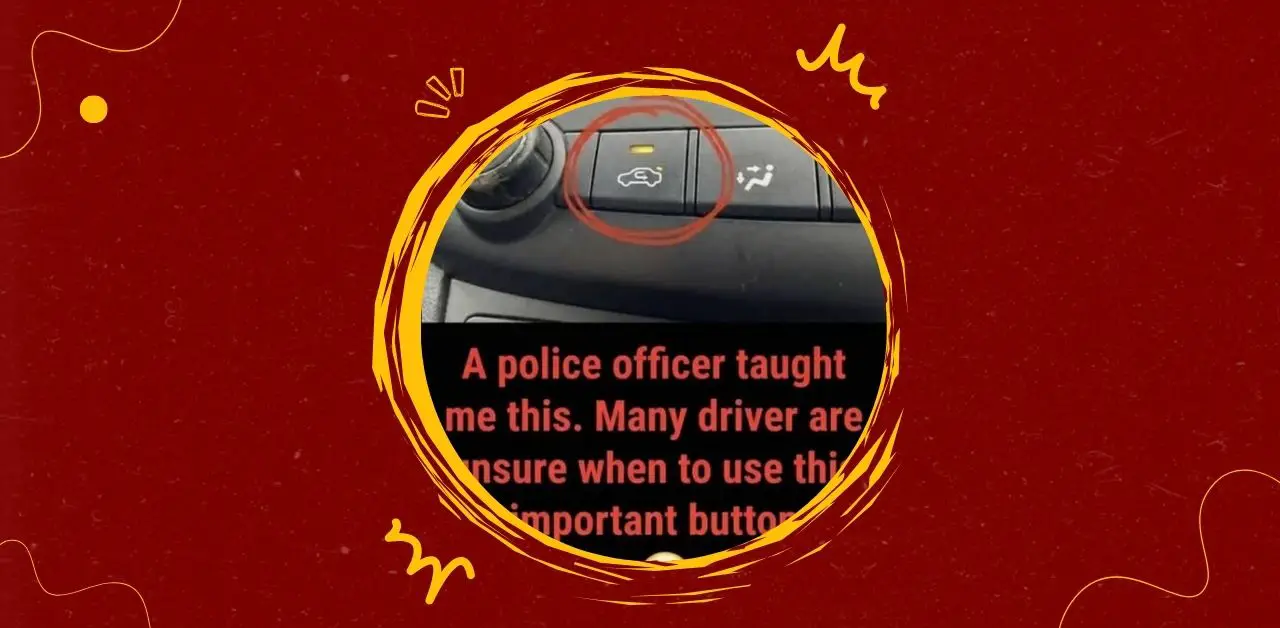
Modern vehicles are equipped with a variety of climate control features designed to improve comfort, efficiency, and safety. Among these is the air recirculation button, often marked with an icon of a car and a circular arrow inside. Despite its presence on nearly every dashboard, many drivers are unsure when and why to use this feature. Understanding its purpose can make driving more pleasant and healthier, while also protecting the vehicle’s interior environment.
What Does the Air Recirculation Button Do?
The air recirculation button controls whether the car’s ventilation system draws in fresh air from outside or reuses the air already inside the cabin. When activated, the system closes off the intake of outside air and instead circulates the air within the vehicle. This can be particularly useful in certain driving conditions, as it allows the driver to control the quality and temperature of the air more effectively.
Benefits of Using Air Recirculation
- Improved Cooling Efficiency In hot weather, recirculating the already cooled air inside the car helps the air conditioning system work more efficiently. Instead of constantly cooling warm air from outside, the system reuses the cooler cabin air, reducing strain on the AC and speeding up cooling.
- Protection Against Pollution When driving through areas with heavy traffic, construction zones, or smoky environments, activating the recirculation mode prevents polluted air from entering the cabin. This helps reduce exposure to dust, exhaust fumes, and unpleasant odors.
- Enhanced Comfort By keeping outside air out, the system maintains a more consistent temperature inside the car. This is especially beneficial during extreme weather conditions, whether hot or cold.
When Not to Use Air Recirculation
While the feature offers clear advantages, there are times when it should be avoided:
- Foggy Windows: In humid or rainy conditions, recirculating air can cause moisture to build up inside the cabin, leading to foggy windows. In such cases, switching to fresh air intake helps clear the glass more quickly.
- Long Drives: On extended trips, continuously using recirculation may reduce oxygen levels and increase carbon dioxide inside the car. Allowing fresh air in periodically ensures proper ventilation.
- Cold Weather Heating: When using the heater, fresh air intake can help prevent the cabin from feeling stuffy and maintain better airflow.
Practical Tips for Drivers
- Use recirculation mode when stuck in traffic or driving through polluted areas to protect yourself from harmful fumes.
- Switch to fresh air mode when windows begin to fog or when driving for long periods to maintain healthy airflow.
- Combine recirculation with air conditioning during hot days for faster cooling and energy efficiency.
- Alternate between modes as needed to balance comfort, safety, and air quality.
Conclusion
The air recirculation button is a small but important feature that can significantly improve driving comfort and safety when used correctly. It helps keep the cabin cool, protects against pollution, and enhances overall efficiency. However, it should be used thoughtfully, with attention to conditions such as humidity, trip length, and ventilation needs. By understanding when to activate or deactivate this function, drivers can make the most of their vehicle’s climate control system and enjoy a healthier, more comfortable ride.