
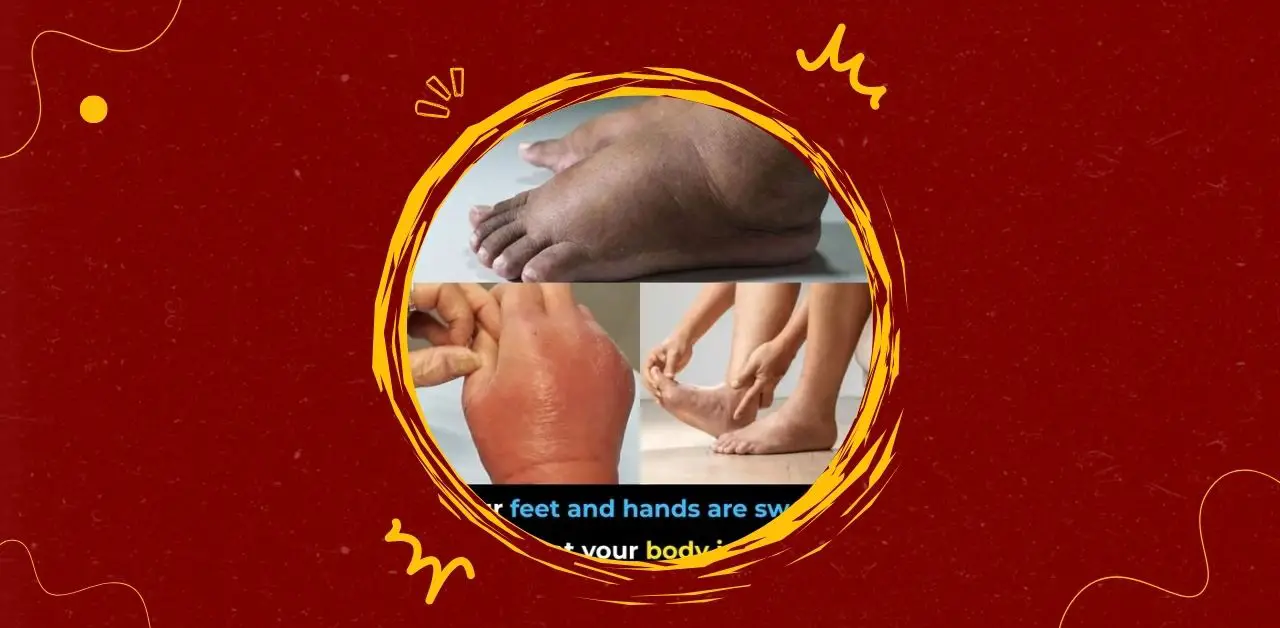
Swelling in the extremities—whether in the feet, ankles, or hands—is a common condition that can range from mild and temporary to a sign of something more serious. While occasional swelling may result from standing for long periods or consuming too much salt, persistent or unexplained swelling often indicates that the body is trying to communicate an underlying issue. Understanding the causes and implications of swelling can help you take better care of your health.
What Causes Swelling?
Swelling occurs when excess fluid builds up in the tissues. This can be triggered by a variety of factors, including lifestyle habits, environmental conditions, or medical concerns. Some of the most common causes include:
- Fluid Retention (Edema): The body may retain fluid due to high salt intake, dehydration, or hormonal changes. This often leads to puffiness in the feet and hands.
- Poor Circulation: When blood flow is restricted, fluid can accumulate in the lower extremities. This is common in people who sit or stand for long periods.
- Injury or Overuse: Sprains, strains, or repetitive movements can cause localized swelling as the body responds to inflammation.
- Medications: Certain medications, such as those for blood pressure or diabetes, may cause fluid retention as a side effect.
- Underlying Health Conditions:
- Heart issues: Swelling can be a sign of heart failure, where the heart struggles to pump blood effectively.
- Kidney problems: When kidneys cannot filter fluids properly, swelling may occur.
- Liver disease: Impaired liver function can lead to fluid buildup in the body.
When to Be Concerned
Not all swelling is dangerous, but persistent or severe swelling should not be ignored. Warning signs include:
- Swelling that does not improve with rest.
- Pain, redness, or warmth in the swollen area.
- Shortness of breath or chest discomfort accompanying swelling.
- Sudden swelling without clear cause.
These symptoms may indicate a more serious condition that requires medical evaluation.
Everyday Habits to Reduce Swelling
- Stay Active: Gentle exercise like walking or stretching improves circulation and reduces fluid buildup.
- Elevate Limbs: Raising feet or hands above heart level helps fluid drain naturally.
- Limit Salt Intake: Reducing sodium in your diet can prevent fluid retention.
- Stay Hydrated: Drinking water helps balance fluids in the body.
- Wear Supportive Footwear: Proper shoes can reduce strain and improve circulation in the feet.
Preventive Care
Regular check-ups are essential for monitoring health conditions that may cause swelling. Maintaining a balanced diet, managing weight, and practicing good posture can also help prevent recurring issues.
Conclusion
Swollen feet and hands are often the body’s way of signaling that something needs attention. While mild swelling may result from everyday factors like diet or activity, persistent or painful swelling can point to underlying health concerns. Listening to these signals and adopting healthy habits can make a significant difference in overall well-being. If swelling continues or worsens, seeking professional medical advice ensures that any serious conditions are identified and managed early.