
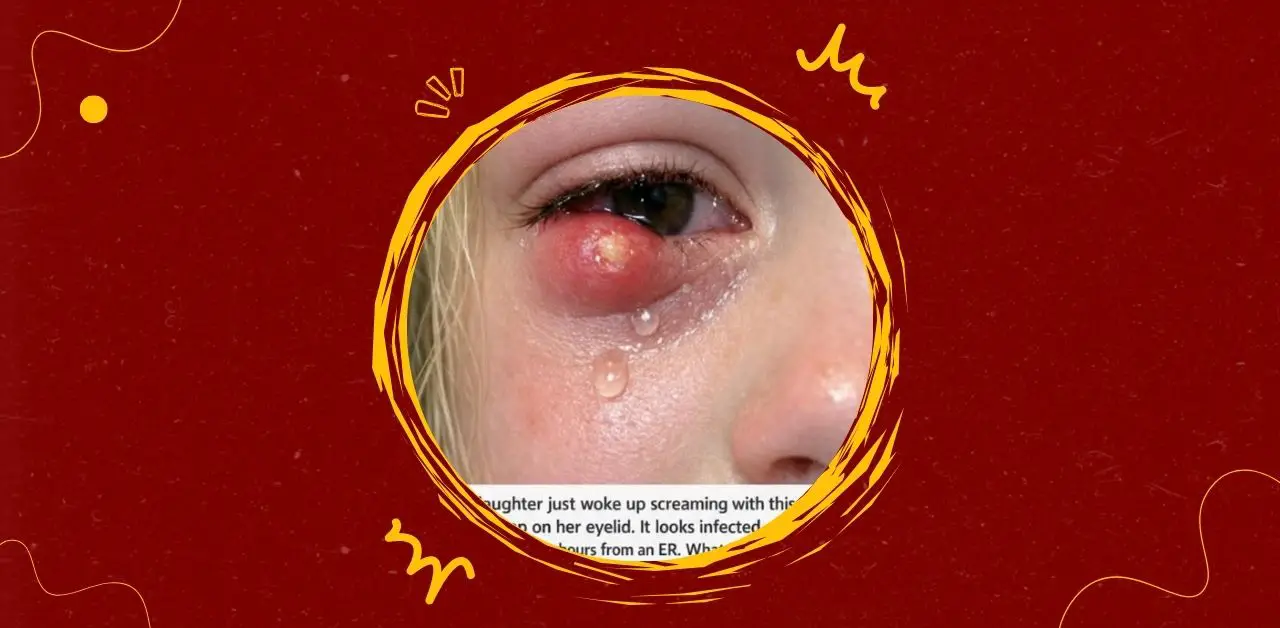
A swollen eyelid in a child can be alarming, especially when it appears suddenly and is accompanied by pain or distress. While some causes are minor and resolve quickly, others may require prompt medical attention. Parents often face uncertainty in these moments, so understanding the range of possible causes and safe steps to take can help ease anxiety and guide decision-making.
Common Causes of Eyelid Swelling
- Stye (hordeolum): A small, painful lump caused by a bacterial infection of an eyelash follicle or oil gland. Often appears red with a yellowish center.
- Chalazion: A blocked oil gland that forms a firm lump. Usually less painful than a stye but can cause swelling.
- Allergic reaction: Exposure to allergens such as pollen, dust, or pet dander can cause puffiness, itching, and redness.
- Insect bite: A mosquito or other insect bite near the eye can lead to sudden swelling and irritation.
- Trauma or injury: Even minor bumps can cause localized swelling.
- Cellulitis (infection of the skin around the eye): This is more serious, often accompanied by redness, warmth, and pain. It requires urgent medical evaluation.
Symptoms That Need Close Attention
Parents should watch for:
- Severe pain or rapid swelling
- Fever or general illness
- Difficulty opening the eye
- Vision changes (blurriness, double vision, or inability to see)
- Redness spreading beyond the eyelid
- Child appearing unusually irritable or lethargic
These signs may indicate a more serious infection or condition that requires immediate medical care.
Comfort Measures at Home
While waiting for professional evaluation, parents can:
- Apply a clean, warm compress: This may help ease discomfort and encourage drainage if the swelling is due to a stye.
- Keep the area clean: Gently wipe away tears or discharge with a clean, damp cloth.
- Discourage rubbing: Children often rub their eyes when irritated, which can worsen swelling.
- Monitor closely: Note any changes in size, color, or the child’s behavior.
When to Seek Medical Help
- If swelling is severe, painful, or spreading
- If the child has a fever or appears unwell
- If vision is affected
- If the lump does not improve within a few days
- If you suspect cellulitis or another serious infection
In these cases, contacting a healthcare provider promptly is essential. If an emergency department is far away, consider urgent care centers, telehealth consultations, or local clinics as interim options.
Conclusion
A swollen eyelid in a child can range from a simple stye to a more serious infection. While home measures may provide comfort, parents should remain vigilant for warning signs that require professional care. The most important step is to ensure the child’s safety and well-being by seeking medical advice when symptoms are severe or uncertain.